Identity Theft Protection: 5 Essential Steps for 2026 Financial Security

Anúncios
The 2026 Guide to Identity Theft Protection: 5 Essential Steps to Secure Your Financial Data
In an increasingly digital world, the threat of identity theft looms larger than ever. As we step into 2026, cybercriminals are becoming more sophisticated, employing advanced tactics to compromise personal and financial data. Protecting yourself is no longer just about being careful; it’s about being proactive, informed, and equipped with the right strategies. This comprehensive guide will walk you through five essential steps for robust identity theft protection, ensuring your financial data remains secure in the coming year and beyond. Understanding these practical solutions is not merely recommended; it’s a time-sensitive necessity for anyone serious about safeguarding their digital footprint.
Anúncios
Understanding the Evolving Landscape of Identity Theft in 2026
Before diving into protective measures, it’s crucial to grasp the current state of identity theft. The year 2026 brings with it new challenges. Artificial intelligence (AI) is now being leveraged by malicious actors to create highly convincing phishing scams, deepfake voice impersonations, and automated attacks that can bypass traditional security measures. The proliferation of IoT (Internet of Things) devices also expands the attack surface, creating more potential entry points for data breaches. Therefore, our approach to identity theft protection must evolve to counter these sophisticated threats. Relying on outdated methods is akin to leaving your front door unlocked in a high-crime area. We need to embrace a multi-layered defense strategy that addresses both technical vulnerabilities and human factors.
The financial implications of identity theft can be devastating, ranging from fraudulent charges and drained bank accounts to ruined credit scores and long-term legal battles. Beyond the monetary loss, the emotional toll and stress of recovering from identity theft can be immense. This underscores the critical importance of effective identity theft protection strategies. It’s not just about preventing financial loss; it’s about preserving your peace of mind and your future financial stability. The digital age demands constant vigilance and adaptation from every individual.
Anúncios
Step 1: Fortify Your Digital Defenses with Strong, Unique Passwords and Multi-Factor Authentication
The foundation of any strong identity theft protection strategy begins with your digital credentials. Weak or reused passwords are an open invitation for cybercriminals. In 2026, password best practices have become even more stringent:
- Embrace Password Managers: Stop relying on your memory or sticky notes. A reputable password manager (e.g., LastPass, 1Password, Bitwarden) generates and securely stores complex, unique passwords for all your accounts. This is a non-negotiable tool for modern identity theft protection.
- Complexity is Key: Aim for passwords that are at least 12-16 characters long, incorporating a mix of uppercase and lowercase letters, numbers, and special characters. Avoid easily guessable information like birth dates, pet names, or common phrases.
- Uniqueness Across Accounts: Never reuse passwords. If one service is breached, a unique password prevents criminals from accessing your other accounts. This single habit significantly enhances your overall identity theft protection.
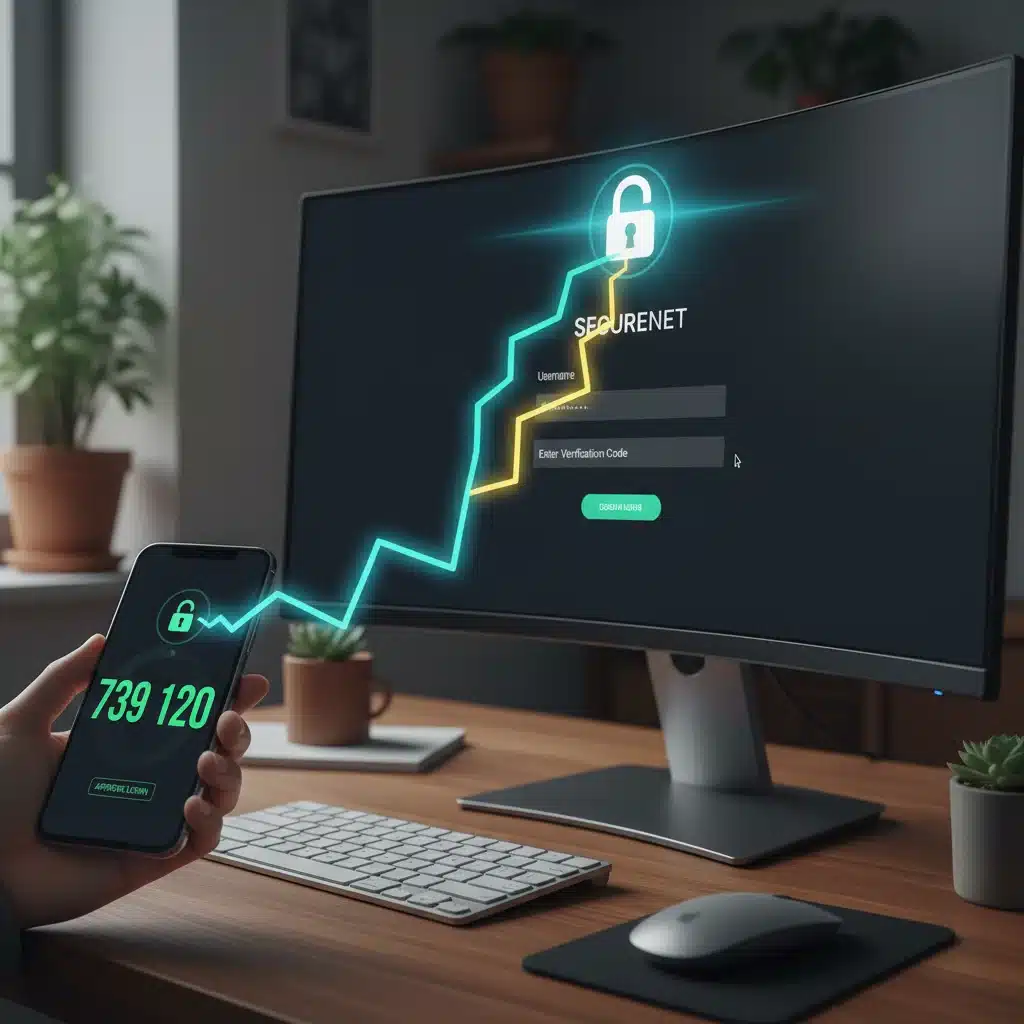
- Multi-Factor Authentication (MFA) – Your Digital Shield: This is perhaps the most critical step. MFA adds an extra layer of security beyond just a password. Even if a criminal obtains your password, they still need a second form of verification (e.g., a code from your phone, a fingerprint, or facial recognition) to access your account. Enable MFA on every single account that offers it – banking, email, social media, shopping sites, etc. This is your strongest defense against unauthorized access and a cornerstone of effective identity theft protection.
Consider the scenario: a data breach exposes your email and password from a lesser-known online forum. Without MFA, if you used that same password for your banking or primary email, your entire digital life could be compromised. With MFA, the stolen password becomes useless to the attacker, providing a crucial barrier. This proactive measure is vital for comprehensive identity theft protection in 2026.
Step 2: Proactive Monitoring of Your Financial Accounts and Credit Reports
Vigilance is a key component of identity theft protection. You can’t prevent what you don’t see. Regular and thorough monitoring of your financial health is paramount:
- Daily Review of Bank and Credit Card Statements: Don’t wait for your monthly statement. Log into your online banking and credit card accounts daily or every few days to review recent transactions. Look for any unfamiliar charges, even small ones. Small, unauthorized transactions are often a test by criminals to see if an account is active before attempting larger fraudulent purchases. Prompt detection is crucial for mitigating damage and effective identity theft protection.
- Annual Credit Report Checks: You are entitled to a free credit report from each of the three major credit bureaus (Equifax, Experian, TransUnion) once every 12 months via AnnualCreditReport.com. Stagger these checks throughout the year (e.g., Experian in January, Equifax in May, TransUnion in September) to maintain continuous oversight. Scrutinize these reports for any accounts or inquiries you don’t recognize. These could be early warning signs of identity theft.
- Utilize Credit Monitoring Services: While not a complete solution, credit monitoring services can provide an extra layer of identity theft protection by alerting you to significant changes on your credit report, such as new accounts opened in your name, address changes, or large credit inquiries. Many banks and credit card companies offer this service for free, or you can subscribe to independent providers.
- Monitor Exploit Notification Services: Services like Have I Been Pwned allow you to check if your email address or phone number has been compromised in a data breach. While you can’t prevent the breach itself, knowing when your data is exposed allows you to take immediate action, such as changing passwords, which is critical for proactive identity theft protection.
The speed at which you detect and report fraudulent activity directly impacts your ability to recover from identity theft. The longer unauthorized activity goes unnoticed, the more difficult and costly it becomes to resolve. Therefore, making proactive monitoring a routine habit is indispensable for robust identity theft protection.
Step 3: Be Wary of Phishing, Smishing, and Vishing Scams
Human error remains one of the weakest links in the security chain. Cybercriminals exploit this through social engineering tactics like phishing (email), smishing (SMS), and vishing (voice calls). These scams are becoming increasingly sophisticated, often using AI to mimic legitimate sources and create highly personalized attacks. Your awareness and skepticism are powerful tools for identity theft protection:
- Think Before You Click: Always hover over links in emails or messages before clicking to see the actual URL. Be suspicious of emails requesting personal information, offering unsolicited prizes, or demanding urgent action. Legitimate organizations rarely ask for sensitive information via email.
- Verify the Sender: Check the sender’s email address carefully. Even if it looks legitimate, slight variations can indicate a scam. For SMS messages, be wary of unknown numbers or messages with grammatical errors.
- Beware of Urgency and Threats: Scammers often create a sense of urgency or threaten negative consequences (e.g., account closure, legal action) to pressure you into acting without thinking. Take a deep breath and independently verify any claims by contacting the organization directly using official contact information (not numbers or links provided in the suspicious message).
- Educate Yourself on Deepfakes: As AI advances, deepfake audio and video are becoming more prevalent. Be cautious of unexpected calls or video conferences from individuals claiming to be someone you know, especially if they make unusual requests or demand money. Always try to verify their identity through an alternative, pre-established communication channel. This advanced form of social engineering requires heightened awareness for effective identity theft protection.
- Never Share One-Time Passcodes (OTPs): If someone asks you for an OTP sent to your phone, it’s almost certainly a scam. OTPs are for you to verify your identity, not to share with anyone else. Sharing an OTP is like handing over the keys to your digital kingdom.
A healthy dose of skepticism is your best friend when it comes to combating social engineering. If something feels off, it probably is. Prioritizing this awareness is a crucial, ongoing aspect of your overall identity theft protection strategy.
Step 4: Secure Your Personal Information Offline and Online
Identity theft protection isn’t solely about digital threats; it also involves how you manage your physical and online presence. Every piece of personal information is a potential puzzle piece for a fraudster:
- Shred Sensitive Documents: Don’t just toss bank statements, credit card offers, or medical bills in the trash. Invest in a cross-cut shredder and destroy any document containing personal identifiers like your name, address, account numbers, or Social Security number.
- Protect Your Mail: Consider a locking mailbox to prevent mail theft, especially for sensitive documents. If you’re going on vacation, put a hold on your mail delivery.
- Be Mindful of Public Wi-Fi: Public Wi-Fi networks are often unsecured and can be easily intercepted by criminals. Avoid conducting sensitive transactions (banking, shopping, logging into personal accounts) while connected to public Wi-Fi. If you must use it, employ a reputable Virtual Private Network (VPN) for encryption.
- Limit Social Media Sharing: Be judicious about what you share on social media. Avoid posting your birth date, home address, vacation plans, or even seemingly innocuous details like your mother’s maiden name (a common security question). Fraudsters piece together information from various sources.
- Review Privacy Settings: Regularly check and adjust the privacy settings on all your social media accounts and other online services. Restrict who can see your posts and personal information.
- Secure Your Mobile Devices: Your smartphone is a treasure trove of personal data. Use strong passcodes, enable biometric authentication (fingerprint/face ID), and ensure your device is encrypted. Be cautious about downloading apps from unofficial sources, as they may contain malware.
A holistic approach to identity theft protection requires attention to both your digital and physical environments. Every piece of data you expose, whether online or offline, increases your vulnerability. Cultivating habits that minimize this exposure is key.
Step 5: Leverage Identity Theft Protection Services and Insurance
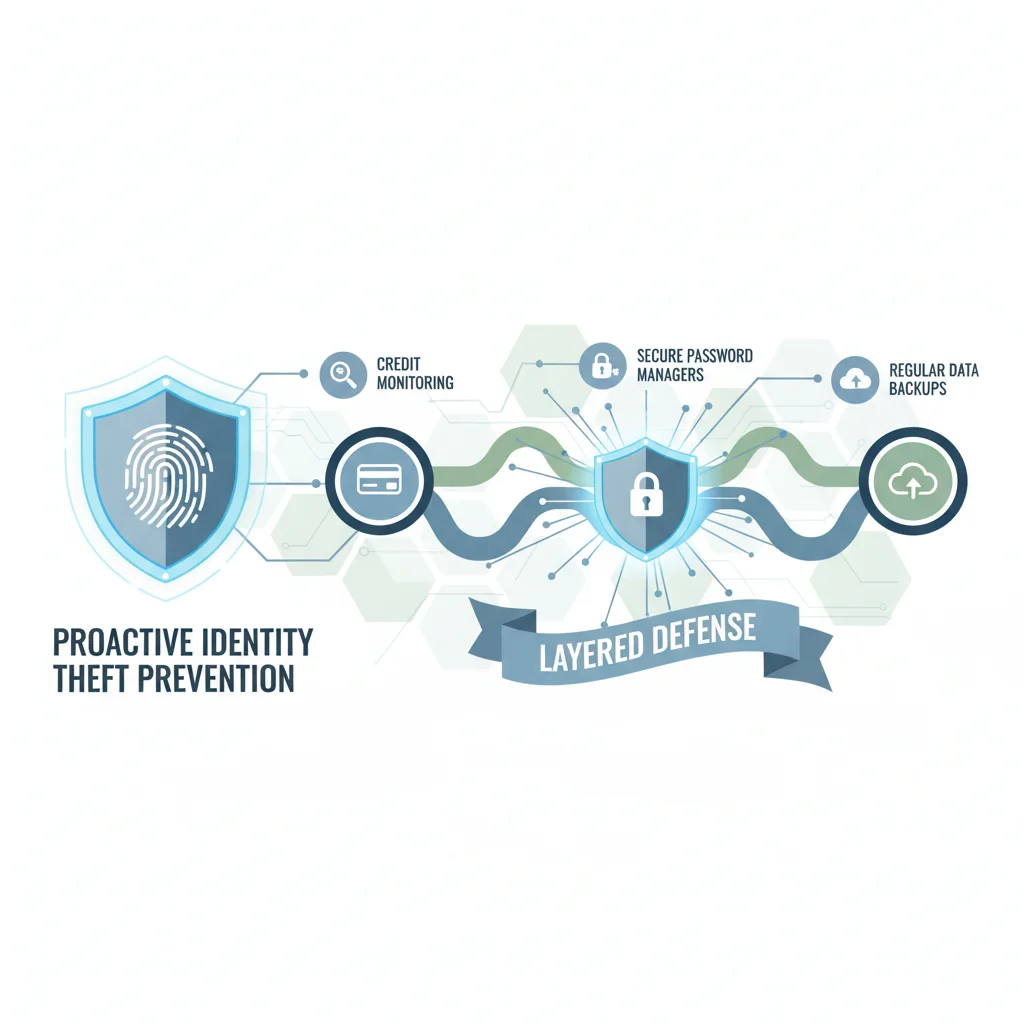
While personal vigilance is paramount, sometimes the scale of data breaches is beyond individual control. This is where professional identity theft protection services and insurance can offer an additional layer of security and peace of mind:
- Comprehensive Identity Theft Protection Services: These services (e.g., LifeLock, IdentityForce, Aura) typically offer a suite of features including:
- Credit Monitoring: Alerts for suspicious activity on your credit reports across all three bureaus.
- Dark Web Monitoring: Scans the dark web for your personal information (Social Security number, email addresses, credit card numbers) that may have been compromised in data breaches.
- Identity Restoration Services: If your identity is stolen, these services provide dedicated case managers who help you navigate the complex process of restoring your identity, contacting creditors, and filing disputes. This can save you hundreds of hours of work and significant stress.
- Financial Account Monitoring: Some services offer monitoring of bank accounts and investment accounts for unusual activity.
- Public Records Monitoring: Tracks changes in public records that could indicate fraudulent activity, such as change of address requests.
- Identity Theft Insurance: Many of these services also include identity theft insurance, which covers expenses related to identity theft recovery, such as legal fees, lost wages from time taken off work, and costs for certified mail or notarizing documents. While it doesn’t prevent the theft, it significantly eases the financial burden of recovery.
- Review Your Existing Insurance Policies: Some homeowner’s or renter’s insurance policies may offer limited identity theft coverage as an add-on. Check with your insurance provider to see if you already have some level of protection.
It’s important to research and compare different services to find one that best fits your needs and budget. While no service can guarantee 100% prevention, they significantly enhance your ability to detect theft early and recover effectively, making them a valuable component of modern identity theft protection.
What to Do If You Become a Victim of Identity Theft
Despite all precautions, identity theft can still occur. Knowing what to do in such a stressful situation is crucial for minimizing damage and a vital part of effective identity theft protection. Act quickly:
- Contact Creditors and Banks Immediately: As soon as you detect suspicious activity, contact the financial institutions involved. Report the fraudulent charges or accounts. They can close accounts, reverse transactions, and issue new cards.
- Place a Fraud Alert or Credit Freeze:
- Fraud Alert: Contact one of the three major credit bureaus (Equifax, Experian, or TransUnion) and ask them to place an initial 1-year fraud alert on your credit file. This alert requires businesses to verify your identity before extending new credit. The bureau you contact is required to notify the other two.
- Credit Freeze (Security Freeze): This is a stronger measure. A credit freeze restricts access to your credit report, making it difficult for identity thieves to open new accounts in your name. You’ll need to contact each of the three credit bureaus individually to place a freeze. You can temporarily lift or permanently remove the freeze when you need to apply for new credit.
- File a Report with the Federal Trade Commission (FTC): Visit IdentityTheft.gov to report the theft. The FTC will provide you with a personalized recovery plan and an official Identity Theft Report, which is essential for disputing fraudulent accounts and charges.
- File a Police Report: While often not required by financial institutions, a police report can be helpful, especially if you know who stole your identity or if creditors request one.
- Change Compromised Passwords: Change passwords for all accounts that may have been affected, and enable MFA where available.
- Monitor Your Accounts Relentlessly: Continue to monitor your credit reports and financial statements for any new signs of fraudulent activity.
The recovery process can be lengthy and challenging, but taking swift and decisive action can significantly reduce the long-term impact on your financial health and credit standing. Consider this an advanced stage of identity theft protection – knowing how to react when the unexpected happens.
The Future of Identity Theft Protection: What’s Next?
As technology continues to advance, so too will the methods of cybercriminals. Looking beyond 2026, we can anticipate further developments in identity theft protection:
- Biometric Authentication Expansion: Beyond fingerprints and facial recognition, more sophisticated biometrics like behavioral patterns (typing rhythm, gait analysis) could become standard for identity verification.
- Decentralized Identity Solutions: Blockchain technology may play a role in creating self-sovereign identities, giving individuals more control over their personal data and how it’s shared, potentially reducing the risk of centralized data breaches.
- AI-Powered Threat Detection: AI will not only be used by criminals but also by security providers to detect anomalous behavior and predict potential threats more effectively, offering a more dynamic form of identity theft protection.
- Quantum-Resistant Cryptography: As quantum computing advances, current encryption methods could become vulnerable. Research into quantum-resistant cryptography is ongoing to prepare for this future threat.
Staying informed about these emerging trends will be crucial for maintaining effective identity theft protection in the years to come. The landscape is ever-changing, and continuous learning is the best defense.
Conclusion: Your Ongoing Commitment to Identity Theft Protection
In conclusion, robust identity theft protection in 2026 and beyond is not a one-time task but an ongoing commitment. By implementing these five essential steps – fortifying digital defenses, proactively monitoring accounts, recognizing social engineering scams, securing personal information, and leveraging professional services – you build a formidable shield against the evolving threats of the digital age. The practical solutions outlined here are designed to empower you with the knowledge and tools necessary to safeguard your financial data and personal identity. Remember, an ounce of prevention is worth a pound of cure, especially when it comes to the security of your most valuable asset: your identity. Stay vigilant, stay informed, and make these security practices an integral part of your daily digital life. Your financial well-being depends on it.