
Identity Theft Prevention 2026: Safeguard Your Finances Digitally
Anúncios
Identity Theft Prevention in the Digital Age: 8 Proactive Steps to Safeguard Your Finances in 2026
In an era where our lives are increasingly intertwined with the digital realm, the threat of identity theft looms larger than ever. As technology advances, so do the sophistication and frequency of cyberattacks. For 2026 and beyond, understanding and implementing robust identity theft prevention strategies is not just advisable; it’s absolutely essential. Your financial well-being, credit score, and even your personal reputation are at stake. This comprehensive guide will equip you with 8 proactive steps to build an ironclad defense against identity thieves, ensuring your peace of mind in this ever-evolving digital landscape.
Anúncios
Understanding the Evolving Threat of Identity Theft
Before diving into specific identity theft prevention measures, it’s crucial to grasp the current landscape of this crime. Identity theft is no longer just about someone stealing your wallet. Today, it encompasses a wide array of illicit activities, from phishing scams and data breaches to sophisticated malware and synthetic identity fraud. Cybercriminals are constantly innovating, exploiting vulnerabilities in both technology and human behavior. In 2026, we’re seeing an increase in AI-powered phishing attacks, deepfake scams, and ransomware targeting personal data, making proactive defense more critical than ever.
The consequences of identity theft can be devastating. Victims often face significant financial losses, damage to their credit scores, legal complications, and immense emotional distress. Reclaiming your identity and repairing the damage can be a lengthy and arduous process, sometimes taking months or even years. This is precisely why focusing on stringent identity theft prevention is paramount – it’s far easier to prevent an attack than to recover from one.
Anúncios
Why Proactive Identity Theft Prevention is Your Best Defense
Many individuals adopt a reactive approach to security, only acting after a breach has occurred. However, in the realm of identity theft, this can be a costly mistake. A proactive stance involves implementing security measures before an incident happens, significantly reducing your risk. Think of it as building a fortified castle around your personal and financial information. By taking deliberate steps to secure your digital footprint, you create multiple layers of defense that make you a much less attractive target for cybercriminals. Let’s explore these essential steps for effective identity theft prevention in 2026.
1. Strengthen Your Digital Passwords and Credentials
Your passwords are the first line of defense against unauthorized access to your accounts. Weak or reused passwords are an open invitation for identity thieves. In 2026, simply having a mix of uppercase, lowercase, numbers, and symbols isn’t enough. The key is length and uniqueness. Aim for passphrases – long, memorable sentences that are harder to guess or crack. For example, instead of ‘P@ssw0rd1!’, try ‘MyFavoriteBookIsTheGreatGatsby1925!’
- Use Unique Passwords: Never reuse passwords across different accounts. If one service is breached, all your accounts using that same password become vulnerable.
- Employ a Password Manager: A reputable password manager (e.g., LastPass, 1Password, Bitwarden) can generate strong, unique passwords for all your accounts and securely store them. This is an indispensable tool for modern identity theft prevention.
- Regularly Update Passwords: While password managers handle this somewhat, it’s good practice to periodically update critical account passwords (banking, email, social media).
2. Enable Multi-Factor Authentication (MFA) Everywhere Possible
Even the strongest password can be compromised. Multi-Factor Authentication (MFA), also known as Two-Factor Authentication (2FA), adds an extra layer of security by requiring a second form of verification beyond just your password. This could be a code sent to your phone, a fingerprint scan, or a hardware security key. If a hacker manages to steal your password, they still won’t be able to access your account without this second factor.
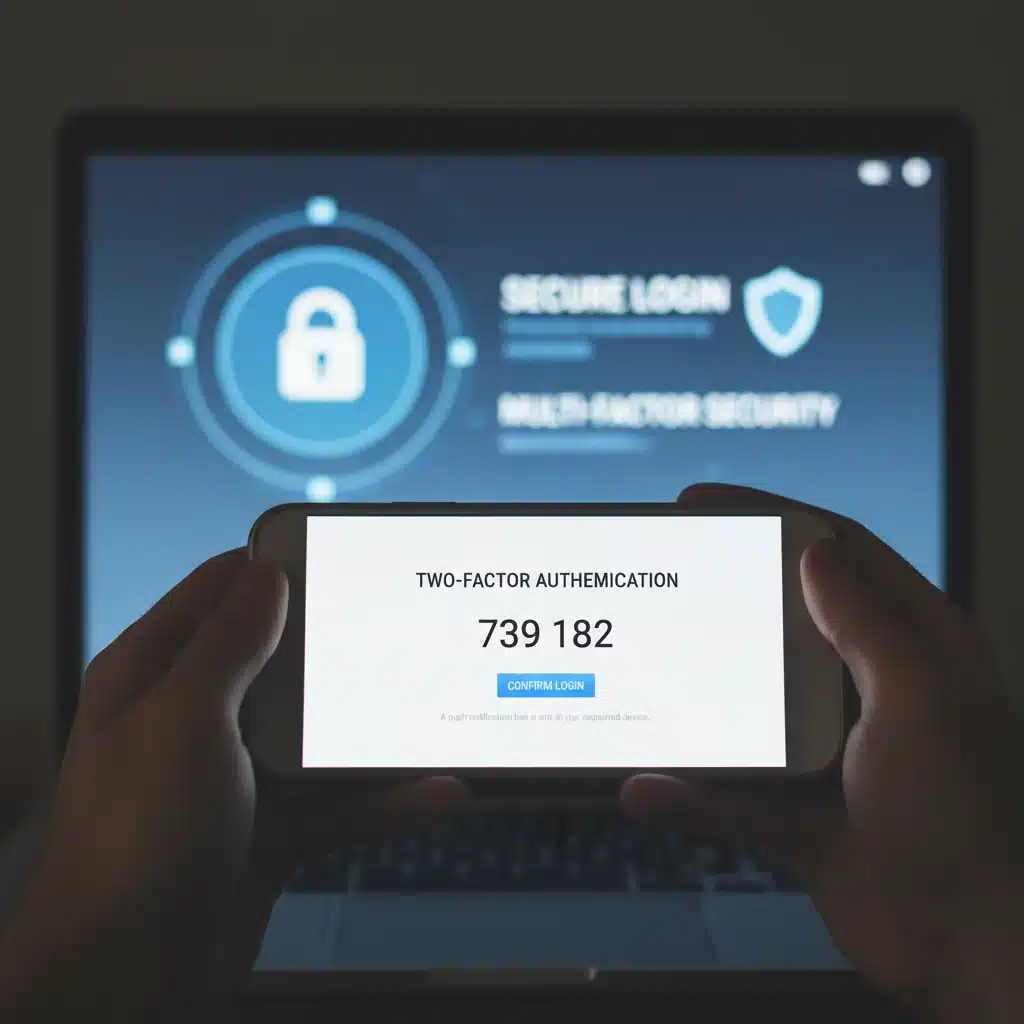
MFA is one of the most effective identity theft prevention measures you can implement. Make it a habit to enable MFA on every service that offers it, especially for your email, banking, social media, and any other accounts containing sensitive information. Authentication apps (like Google Authenticator or Authy) are generally more secure than SMS-based codes, as SMS can be vulnerable to SIM-swapping attacks.
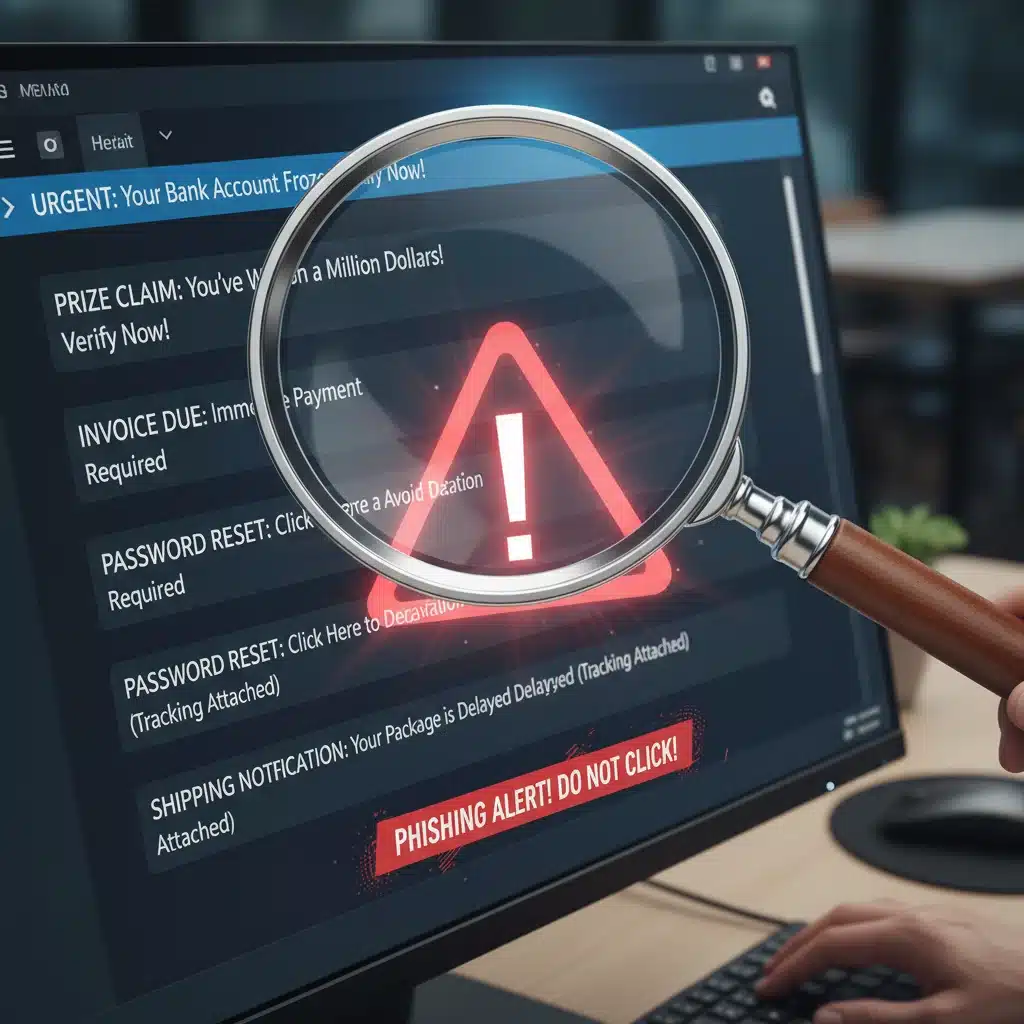
3. Be Vigilant Against Phishing and Social Engineering Scams
Phishing remains a primary vector for identity theft. These deceptive attempts try to trick you into revealing sensitive information (passwords, credit card numbers, SSN) by impersonating legitimate entities like banks, government agencies, or well-known companies. In 2026, phishing attacks are becoming increasingly sophisticated, often using personalized details and appearing highly convincing.
To bolster your identity theft prevention:
- Scrutinize Emails and Messages: Always check the sender’s email address for discrepancies, look for grammatical errors, generic greetings, and suspicious links.
- Never Click Suspicious Links: Hover over links to see the actual URL before clicking. If in doubt, type the website address directly into your browser.
- Verify Requests: If you receive an urgent request for personal information, especially from a supposed financial institution or government agency, contact them directly using official contact information (not the contact info provided in the suspicious message).
- Be Wary of Unexpected Attachments: Unsolicited attachments can contain malware.
4. Secure Your Mobile Devices and Networks
Our smartphones are mini-computers holding a wealth of personal data. Securing them is a critical component of identity theft prevention.
- Use Screen Locks: Always use a strong PIN, pattern, fingerprint, or facial recognition to lock your phone.
- Keep Software Updated: Operating system and app updates often include crucial security patches. Install them promptly.
- Be Cautious with Public Wi-Fi: Public Wi-Fi networks are often unsecured and can be easily intercepted by cybercriminals. Avoid conducting sensitive transactions (banking, shopping) on public Wi-Fi. If you must use it, employ a Virtual Private Network (VPN) to encrypt your traffic.
- Review App Permissions: Regularly check what permissions your apps have (e.g., access to your location, contacts, microphone) and revoke any that seem unnecessary.
5. Monitor Your Financial Accounts and Credit Reports Regularly
Early detection is key to minimizing the damage from identity theft. Regular monitoring of your financial accounts and credit reports can alert you to suspicious activity before it escalates.
- Review Bank and Credit Card Statements: Check your statements monthly (or even weekly via online banking) for any unauthorized transactions. Report discrepancies immediately.
- Check Your Credit Reports: You are entitled to a free credit report from each of the three major credit bureaus (Equifax, Experian, TransUnion) annually via AnnualCreditReport.com. Stagger these requests throughout the year to monitor your credit more frequently. Look for accounts you don’t recognize, incorrect personal information, or unusual inquiries.
- Consider Credit Monitoring Services: While not a replacement for personal vigilance, credit monitoring services can alert you to changes in your credit file, providing an additional layer of identity theft prevention.
6. Practice Safe Online Shopping and Browsing Habits
Online shopping is convenient, but it also presents opportunities for identity thieves. Adopting safe browsing and shopping habits is crucial for identity theft prevention.
- Shop on Secure Websites: Always look for ‘https://’ in the website address and a padlock icon in your browser’s address bar. This indicates that the connection is encrypted.
- Use Strong, Unique Passwords for Shopping Accounts: As discussed earlier, a password manager is invaluable here.
- Be Wary of Too-Good-To-Be-True Deals: These can often lead to fake websites designed to steal your information.
- Avoid Storing Credit Card Information: While convenient, allowing websites to store your credit card details increases your risk if that website suffers a data breach.
- Regularly Clear Browser Cache and Cookies: This can help prevent tracking and reduce the amount of personal data stored on your device.
7. Be Mindful of What You Share Online
In our hyper-connected world, oversharing personal information online is a common pitfall that identity thieves exploit. Every piece of information you share – from your birthdate and pet’s name to your vacation plans – can be used to answer security questions or build a profile for social engineering attacks.
- Review Privacy Settings: Regularly check and adjust the privacy settings on your social media accounts to limit who can see your posts and personal information.
- Think Before You Post: Consider the potential implications before sharing details about your life, travel plans, or personal milestones.
- Be Cautious with Personal Details: Avoid posting your full birthdate, home address, phone number, or other sensitive identifiers publicly.
- Beware of Social Media Quizzes and Games: Many seemingly innocuous quizzes ask for information (e.g., your first car, your mother’s maiden name) that is often used as security questions for online accounts.
8. Secure Your Physical Documents and Mail
While much of identity theft occurs online, physical theft of documents and mail remains a threat. Your mailbox and physical documents can be a goldmine for identity thieves seeking information like bank statements, pre-approved credit offers, or tax documents.
- Shred Sensitive Documents: Don’t just throw away documents containing personal information (bank statements, utility bills, credit card offers). Invest in a cross-cut shredder.
- Secure Your Mailbox: If you live in an area prone to mail theft, consider a locking mailbox or opting for electronic statements and bill pay.
- Collect Mail Promptly: Don’t leave mail sitting in your mailbox for extended periods.
- Keep Important Documents Secure: Store birth certificates, Social Security cards, passports, and other vital documents in a secure location, such as a safe or safe deposit box.
- Be Wary of Public Wi-Fi for Sensitive Tasks: Avoid logging into financial accounts or entering sensitive information when connected to unsecured public Wi-Fi networks.
What to Do If You Suspect Identity Theft
Despite your best efforts in identity theft prevention, breaches can still occur. Knowing what to do in such a situation is crucial for damage control:
- Act Immediately: The faster you act, the less damage can be done.
- Contact Companies Where Fraud Occurred: Notify your bank, credit card companies, or any other institution where fraudulent activity has taken place. Close compromised accounts and open new ones.
- Place a Fraud Alert or Freeze Your Credit: Contact one of the three major credit bureaus (Equifax, Experian, TransUnion) to place a fraud alert on your credit report. This makes it harder for identity thieves to open new accounts in your name. A credit freeze offers even stronger protection.
- File a Report with the FTC: Report the identity theft to the Federal Trade Commission (FTC) at IdentityTheft.gov. They will provide you with a recovery plan and a personal case number.
- File a Police Report: In some cases, you may need to file a report with your local police department.
- Change All Compromised Passwords: Even if you don’t think an account was directly affected, change passwords for any account that shares credentials with a compromised one.
The Future of Identity Theft Prevention in 2026 and Beyond
As we look towards the future, identity theft prevention will continue to evolve. We can expect to see advancements in biometric authentication (more sophisticated facial recognition, behavioral biometrics), AI-driven threat detection, and perhaps even decentralized identity solutions based on blockchain technology. However, even with these technological leaps, the human element remains critical. User awareness, vigilance, and adherence to security best practices will always be the cornerstone of effective protection.
Staying informed about the latest cyber threats and security best practices is an ongoing commitment. Regularly review your security habits, update your knowledge, and adapt your defense strategies as the digital landscape changes. Your personal data is one of your most valuable assets in the 21st century; protect it accordingly.
Conclusion: Your Role in Fortifying Digital Security
In conclusion, effective identity theft prevention in 2026 requires a multi-faceted approach. By implementing these 8 proactive steps – strengthening passwords, enabling MFA, recognizing phishing, securing devices, monitoring finances, practicing safe online habits, being mindful of online sharing, and securing physical documents – you significantly reduce your vulnerability. Remember, cybersecurity is not a one-time setup; it’s an ongoing process of vigilance and adaptation. By taking these steps seriously, you empower yourself to navigate the digital world safely, protecting your finances and personal identity from the ever-present threat of cybercriminals. Make these practices a routine, and you’ll build a formidable defense against identity theft, ensuring your digital peace of mind.