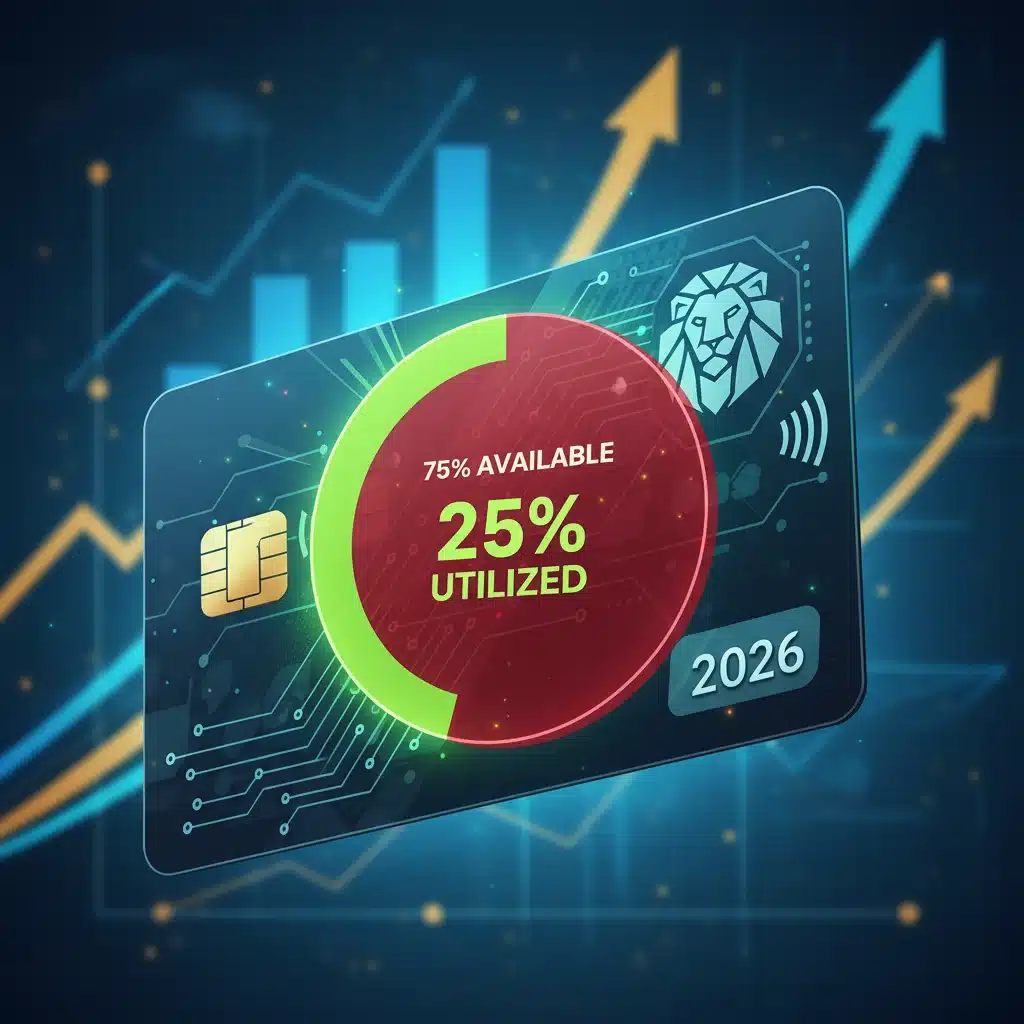
In the dynamic financial landscape of 2026, understanding and strategically managing your credit utilization ratio is more critical than ever for maintaining an excellent credit score. This isn’t just about paying your bills on time; it’s about the sophisticated art of using your available credit wisely. For many, the golden rule of keeping your credit utilization ratio below 30% remains the cornerstone of robust financial health. But what does that truly mean in practice, and how can you consistently achieve it amidst evolving economic conditions and personal spending habits?
Anúncios
This comprehensive guide will delve deep into the mechanics of credit utilization ratio, offering practical, actionable solutions and insights into its profound financial impact. We’ll explore not just the ‘what’ but the ‘how’ – equipping you with the knowledge and tools to navigate your credit journey successfully in 2026 and beyond. Whether you’re aiming to buy a home, secure a loan for a new venture, or simply enjoy the peace of mind that comes with a stellar credit rating, mastering your credit utilization ratio is your indispensable first step.
Understanding the Credit Utilization Ratio: The Foundation of Good Credit
Your credit utilization ratio, often referred to as the credit utilization rate, is a measure of how much of your available credit you’re currently using. It’s calculated by dividing your total credit card balances by your total credit limits. For example, if you have a total credit limit of $10,000 across all your credit cards and your current outstanding balances total $3,000, your credit utilization ratio is 30% ($3,000 / $10,000 = 0.30 or 30%). This ratio is a significant component of your FICO and VantageScore credit scores, typically accounting for about 30% of your total score.
Lenders view a high credit utilization ratio as a sign of financial risk. It suggests that you might be over-reliant on credit, potentially struggling to manage your finances, or even facing financial hardship. Conversely, a low ratio indicates responsible credit management and a lower risk of default. This is why the 30% benchmark is so widely cited: it’s the threshold beyond which your credit score can start to take a noticeable hit. While lower is always better – ideally, aiming for under 10% for truly excellent scores – staying below 30% is a crucial goal for anyone looking to maintain good to excellent credit.
Anúncios
It’s important to remember that this ratio is often calculated for each individual credit card as well as across all your accounts. While the overall ratio is more impactful, a very high utilization on a single card, even if your overall ratio is low, can still be a red flag. Therefore, a balanced approach across all your credit lines is advisable. The data used for these calculations is usually reported to credit bureaus by your creditors once a month, meaning your ratio can fluctuate based on your spending and payment cycles.
Why 30% is the Magic Number: Impact on Your Credit Score
The 30% threshold isn’t an arbitrary number; it’s derived from extensive data analysis by credit scoring models like FICO. Their research consistently shows that consumers who keep their credit utilization ratio below this mark are statistically less likely to default on their debts. As a result, staying under 30% signals to lenders that you are a responsible borrower, capable of managing credit without overextending yourself.
Exceeding the 30% mark can lead to a significant drop in your credit score, sometimes by dozens of points, depending on how high your utilization goes and other factors in your credit profile. This drop can make it harder to qualify for new loans, mortgages, or even rental agreements. When you do qualify, you might be offered less favorable terms, such as higher interest rates, costing you more money over the life of the loan. On the other hand, consistently maintaining a low credit utilization ratio demonstrates financial discipline, making you a more attractive candidate for lenders and potentially unlocking access to better rates and credit products.
Consider the long-term financial impact. A higher interest rate on a mortgage or car loan due to a sub-optimal credit score can translate into thousands of dollars in extra payments over time. Therefore, optimizing your credit utilization ratio is not merely about a number; it’s about securing your financial future and saving substantial amounts of money. In 2026, with interest rates potentially fluctuating, the advantage of a strong credit score, heavily influenced by this ratio, becomes even more pronounced.
Practical Solutions for Managing Your Credit Utilization Ratio
1. Pay Down Balances Strategically
The most direct way to lower your credit utilization ratio is to pay down your credit card balances. Focus on cards with high balances relative to their credit limit. Even making multiple payments throughout the month, rather than just one large payment at the end of the billing cycle, can be highly effective. Since many card issuers report your balance to the credit bureaus at a specific point in the month (often your statement closing date), reducing your balance before that date can ensure a lower utilization ratio is reported.
For instance, if your statement closes on the 15th of the month, try to pay off a significant portion of your balance by the 10th. This proactive approach ensures that the lower balance is reflected when your credit report is updated. Automating payments can also help, ensuring you never miss a due date and consistently reduce your principal.
2. Increase Your Credit Limit
Another effective strategy is to increase your total available credit. If your credit limit increases but your spending remains the same, your credit utilization ratio will naturally decrease. You can request a credit limit increase from your credit card issuer. However, be cautious: only pursue this if you are confident you won’t be tempted to spend more. An increased limit should serve to lower your utilization, not to facilitate more debt. 
Before requesting an increase, ensure you’ve had the card for a reasonable amount of time (usually 6-12 months), have a good payment history, and your credit score is in good standing. Some issuers might perform a ‘hard inquiry’ on your credit report for a limit increase, which can temporarily ding your score. Weigh the pros and cons before making the request.
3. Open a New Credit Card (Use with Caution)
Similar to increasing your credit limit, opening a new credit card can boost your total available credit, thereby lowering your overall credit utilization ratio. However, this strategy comes with significant caveats. Applying for new credit results in a hard inquiry on your credit report, which can temporarily lower your score. Additionally, opening new accounts reduces the average age of your credit accounts, another factor in your credit score, which can also have a negative impact.
This strategy is best suited for individuals with already strong credit scores and a proven ability to manage multiple credit lines responsibly. If you choose this route, opt for a card with a good rewards program and a low or no annual fee. Crucially, resist the urge to use the new credit to increase your spending. The goal is to increase your credit ceiling, not your debt.
4. Monitor Your Spending Closely
Staying on top of your spending is fundamental. Use budgeting apps, spreadsheets, or even simple pen and paper to track your monthly expenditures. Knowing where your money goes allows you to identify areas where you can cut back, freeing up more funds to pay down credit card balances. Many credit card companies also offer tools within their online portals to help you monitor your spending and see your current credit utilization ratio.
Setting spending limits for yourself and sticking to them can prevent you from inadvertently accumulating high balances. Consider setting up alerts with your credit card company to notify you when your balance approaches a certain percentage of your limit.
5. Understand Your Billing Cycle
As mentioned earlier, the timing of your payments matters. Most credit card companies report your balance to the credit bureaus on your statement closing date. If you make a large purchase early in the billing cycle and wait until the due date to pay it off, a high balance will be reported, even if you pay it in full. To combat this, try to pay down large purchases before your statement closes. This way, a lower balance is reported, positively impacting your credit utilization ratio.
For those with fluctuating income, or who simply want to be extra vigilant, consider making bi-weekly or even weekly payments. This keeps your balance consistently low and ensures that whenever the credit bureaus pull your data, they see a responsible borrower.
Advanced Strategies for 2026 and Beyond
Credit Builder Loans and Secured Credit Cards
For those just starting to build credit or looking to rebuild it, traditional credit cards might not be an option. Credit builder loans and secured credit cards can be excellent tools. A secured credit card requires a cash deposit, which often becomes your credit limit. This minimizes risk for the issuer and allows you to demonstrate responsible usage. A credit builder loan, on the other hand, involves a small loan that is held in a savings account until you’ve made all payments, after which you receive the funds. Both types of products report to credit bureaus, helping you establish a positive payment history and manage a small credit utilization ratio effectively.
Debt Consolidation (Use with Extreme Caution)
In some cases, if you have multiple credit card debts with high utilization, consolidating them into a personal loan with a lower interest rate can be an option. This moves the debt from revolving credit (credit cards) to installment credit (personal loan), which can positively impact your credit utilization ratio as installment loans are not typically factored into the ratio in the same way. However, this strategy should be approached with extreme caution. If you consolidate debt but continue to rack up new charges on your now-empty credit cards, you could end up in a worse financial position with even more debt.
Negotiating with Creditors
If you’re struggling with high balances, don’t hesitate to reach out to your credit card issuers. They might be willing to work with you by offering a lower interest rate, a temporary payment plan, or even increasing your credit limit. While not guaranteed, a proactive conversation can sometimes lead to solutions that help you manage your debt more effectively and improve your credit utilization ratio.
The Long-Term Financial Impact: Beyond the Score
While the immediate impact of your credit utilization ratio on your credit score is paramount, its long-term effects ripple through various aspects of your financial life. A consistently low ratio contributes to a strong credit profile, which can unlock a myriad of opportunities and benefits:
- Lower Interest Rates: Not just on mortgages and car loans, but also on personal loans, student loan refinancing, and even some insurance premiums.
- Easier Loan Approvals: Lenders are more likely to approve your applications for various types of credit, giving you more flexibility and options.
- Better Terms on Financial Products: Access to premium credit cards with superior rewards, lower fees, and higher credit limits.
- Improved Rental Opportunities: Landlords often check credit scores, and a strong score can make you a more desirable tenant.
- Lower Insurance Premiums: In many states, insurance companies use credit-based insurance scores (which are heavily influenced by your credit score) to determine premiums for auto and home insurance.
- Employment Opportunities: Some employers, particularly in financial or sensitive roles, may check your credit history as part of their background checks.
- Peace of Mind: Knowing your financial house is in order reduces stress and provides a sense of security.
In 2026, with increasing financial scrutiny and competition for favorable rates, the advantages of a well-managed credit utilization ratio will only grow. It’s not just about avoiding penalties; it’s about actively leveraging your financial health to your advantage.
Common Misconceptions About Credit Utilization
Myth 1: Closing Credit Cards Helps Your Utilization
Reality: Closing a credit card, especially one with a long history and a significant credit limit, can often hurt your credit utilization ratio. While it removes the balance from that specific card, it also reduces your total available credit. If your balances on other cards remain the same, your overall utilization percentage will increase. It’s generally better to keep old, paid-off accounts open, especially if they have no annual fee, to maintain a higher total credit limit and a longer credit history. 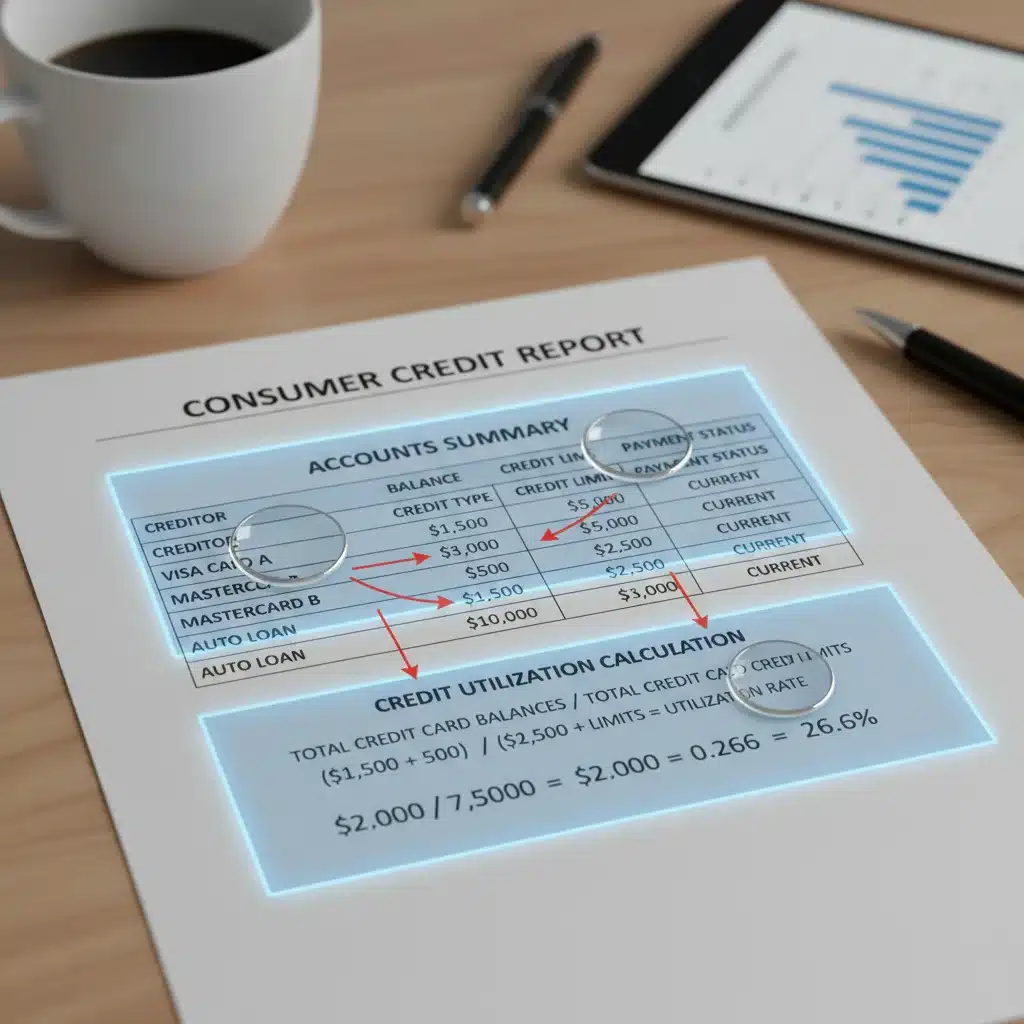
Myth 2: Carrying a Small Balance is Good for Your Credit
Reality: This is a persistent myth. Carrying a balance, even a small one, and paying interest is never ‘good’ for your credit. What’s good is demonstrating responsible use of credit by keeping your balances low relative to your limits and paying on time. Paying your balance in full each month before the due date is the ideal strategy. This ensures you pay no interest and still benefit from a low credit utilization ratio being reported.
Myth 3: My Credit Utilization Only Matters When I Apply for New Credit
Reality: Your credit utilization ratio is a dynamic factor that is continuously monitored and updated by credit bureaus. It impacts your credit score month-to-month, regardless of whether you’re actively seeking new credit. A sudden spike in utilization can cause your score to drop, which might affect existing credit lines (e.g., triggering a higher interest rate on a variable APR card) or simply leave you unprepared if an unexpected need for credit arises.
Myth 4: Authorized Users Don’t Affect Credit Utilization
Reality: If you are an authorized user on someone else’s credit card, that account’s activity, including its balance and credit limit, will likely appear on your credit report. This means the utilization ratio of that account will factor into your overall credit utilization ratio. It’s crucial to be aware of the primary cardholder’s spending habits and ensure they are responsible, as their actions can inadvertently impact your own credit score.
The Future of Credit Utilization: What to Expect in 2026 and Beyond
As we move further into 2026, credit scoring models are continually evolving to become more sophisticated. While the core principles of credit utilization ratio will remain, there might be subtle shifts in how different types of credit are weighted or how frequently data is updated. For instance, some alternative data sources, like rent payments or utility bills, are slowly being incorporated into some scoring models, but revolving credit utilization remains a dominant factor.
The emphasis on financial literacy and responsible credit management will only grow. With increasing digital integration in finance, tools for monitoring and managing your credit utilization ratio will become even more accessible and intuitive. Staying informed about these changes and proactively adapting your financial habits will be key to maintaining an excellent credit score in the years to come.
Conclusion: Your Path to Excellent Credit Through Smart Utilization
Mastering your credit utilization ratio is not a one-time task but an ongoing commitment to sound financial practices. By consistently keeping your spending below the 30% threshold – and ideally even lower – you send a clear message to lenders: you are a responsible, low-risk borrower. This discipline translates directly into a higher credit score, unlocking a world of financial opportunities, from better loan rates to greater financial flexibility.
In 2026, the principles remain the same: pay down balances strategically, consider responsible credit limit increases, monitor your spending diligently, and understand the nuances of your billing cycles. Avoid common pitfalls like closing old accounts or believing that carrying a balance is beneficial. By integrating these practical solutions into your financial routine, you’ll not only achieve an excellent credit score but also build a robust foundation for your long-term financial well-being. Your credit utilization ratio is a powerful lever in your financial toolkit; learn to wield it wisely, and the benefits will be profound and lasting.