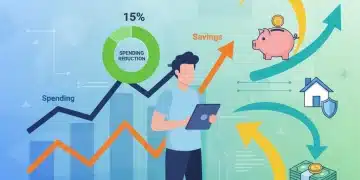
Master Your Cash Flow in 2026: A 4-Week Plan to Identify and Eliminate Unnecessary Spending by 15%
Are you ready to take control of your finances in 2026? Do you dream of a future where your money works harder for you, rather than you constantly working for your money? If so, you’ve landed in the right place. This comprehensive guide will walk you through a practical, actionable 4-week plan designed to help you master your cash flow, identify hidden spending traps, and ultimately reduce your unnecessary expenditures by a significant 15%. Mastering your cash flow isn’t just about saving money; it’s about gaining financial clarity, reducing stress, and building a more secure future. In today’s dynamic economic landscape, understanding and optimizing your cash flow is more crucial than ever. This isn’t just another budgeting article; it’s a strategic roadmap to transform your financial habits and achieve tangible results.
Anúncios
The Power of Mastering Your Cash Flow: Why 2026 is Your Year
Before we dive into the nitty-gritty of the plan, let’s understand why mastering your cash flow is so vital. Cash flow is the movement of money in and out of your personal or business accounts. Positive cash flow means you have more money coming in than going out, which is the bedrock of financial stability and growth. Negative cash flow, on the other hand, can lead to debt, stress, and missed opportunities. By proactively managing and optimizing your cash flow, you’re not just reacting to your financial situation; you’re actively shaping it. The year 2026 presents a fresh opportunity to reset your financial trajectory. Many people make New Year’s resolutions to improve their finances, but often lack a concrete plan. This 4-week program provides that structure, breaking down a seemingly daunting task into manageable, weekly steps. Our ambitious yet achievable goal of reducing unnecessary spending by 15% will have a profound impact on your financial well-being, opening doors to saving, investing, or simply enjoying life without constant financial worry. It’s about making conscious choices that align with your long-term financial goals, rather than letting your money slip through your fingers unnoticed. Understanding your cash flow is the first step towards financial empowerment. It allows you to see exactly where your money goes, identify areas of waste, and make informed decisions about your spending. This clarity is invaluable, transforming abstract financial goals into concrete, achievable actions. Moreover, a healthy cash flow provides a buffer against unexpected expenses, giving you peace of mind and reducing the need to resort to high-interest debt in emergencies. It empowers you to invest in your future, whether that’s through retirement savings, a down payment on a home, or funding a child’s education. This plan is designed to make mastering your cash flow an intuitive and sustainable part of your life, not just a temporary fix.
Week 1: The Grand Audit – Uncovering Your Spending Habits
The first step to mastering your cash flow is to understand exactly where your money is going. This week is dedicated to a thorough audit of your spending habits. It might sound tedious, but it’s the most crucial phase. You can’t fix a problem if you don’t know what it is.
Anúncios
Day 1-3: Gather Your Financial Data
- Collect Statements: Gather all bank statements, credit card statements, investment account statements, and any other financial records from the last 3-6 months. The more data, the better.
- List All Income Sources: Document every source of income, including your primary salary, freelance work, rental income, dividends, etc. Get a clear picture of your total monthly inflow.
- Identify Fixed Expenses: These are the expenses that generally stay the same each month, like rent/mortgage, loan payments, insurance premiums, subscriptions (Netflix, gym, etc.), and utility bills (though these can fluctuate, treat them as fixed for initial analysis).
- Identify Variable Expenses: These fluctuate each month and include categories like groceries, dining out, entertainment, clothing, transportation (gas, public transport), and personal care. These are often the biggest culprits for cash flow leaks.
Day 4-7: Categorize and Analyze
- Use a Spreadsheet or App: Manually entering data into a spreadsheet (like Google Sheets or Excel) or using a budgeting app (Mint, YNAB, Personal Capital) will make this process much easier and provide visual insights.
- Categorize Every Transaction: Go through each transaction and assign it to a specific category (e.g., ‘Groceries,’ ‘Dining Out,’ ‘Utilities,’ ‘Entertainment,’ ‘Transportation,’ ‘Shopping’). Be as granular as possible. Don’t skip small purchases; they add up!
- Calculate Averages: Once categorized, calculate your average monthly spending for each category. This will give you a baseline.
- Spot Spending Patterns: Look for trends. Are you spending a lot on impulse purchases? Do you have multiple unused subscriptions? Is your dining out budget disproportionately high? This is where the ‘aha!’ moments happen.
- Identify ‘Want’ vs. ‘Need’: As you categorize, consciously label each expense as a ‘want’ or a ‘need.’ This distinction is critical for future cuts. Needs are essential for survival (housing, food, basic utilities); wants are discretionary (entertainment, luxury items, expensive coffee).
By the end of Week 1, you should have a crystal-clear understanding of your current financial landscape. This isn’t about judgment; it’s about awareness. This detailed audit is the foundation upon which you’ll build a more robust financial future. It’s the moment you stop guessing and start knowing. Many people are surprised by what they uncover during this phase, realizing that small, seemingly insignificant expenses collectively drain a significant portion of their income. This awareness is the first step towards regaining control and making informed decisions about your money. Don’t be discouraged if the numbers seem overwhelming at first; remember, this is about identifying opportunities for improvement, not dwelling on past habits. Embrace this process as an empowering journey towards financial enlightenment.

Week 2: The Pruning Phase – Targeted Spending Cuts
With a clear picture of your spending, Week 2 is dedicated to making strategic cuts. Our goal is a 15% reduction in unnecessary spending. This doesn’t mean deprivation; it means optimizing.
Day 8-10: Tackle the Low-Hanging Fruit
- Cancel Unused Subscriptions: Review your list of subscriptions. Are you still using that streaming service, gym membership, or software you signed up for months ago? Cancel anything you don’t actively use or truly value. Even small monthly fees add up.
- Negotiate Bills: Call your internet, cable, and phone providers. Ask if there are any better deals or if you can reduce your package. Often, a simple phone call can save you a significant amount each month. Do the same for insurance policies – shop around for better rates.
- Reduce Dining Out/Takeout: This is often one of the biggest budget busters. Challenge yourself to cook more meals at home. Pack lunches for work. Limit dining out to once a week or a special occasion.
- Automate Savings Transfers: Set up an automatic transfer from your checking to your savings account immediately after your paycheck hits. Even a small amount consistently saved will grow. Treat savings as a non-negotiable expense.
Day 11-14: Deeper Dive into Discretionary Spending
- Implement the ’30-Day Rule’: For any non-essential purchase over a certain amount (e.g., $50 or $100), wait 30 days before buying. Often, the urge passes, and you realize you don’t need it.
- Shop Smarter for Groceries: Plan your meals, make a shopping list, and stick to it. Avoid impulse buys. Consider store brands, look for sales, and don’t shop when hungry.
- Find Free or Low-Cost Entertainment: Instead of expensive outings, explore free parks, libraries, community events, or host game nights at home.
- Review Transportation Costs: Can you carpool, use public transport more often, or bike/walk for shorter distances? Even small changes in fuel consumption or parking fees can add up.
- Limit Impulse Purchases: Be mindful when browsing online or in stores. Ask yourself if you truly need something before buying. Unsubscribe from promotional emails that tempt you.
By the end of Week 2, you should start seeing tangible reductions in your spending. The goal isn’t to feel deprived, but to redirect your money towards your priorities. Remember, every dollar saved is a dollar earned. This phase requires discipline and conscious effort, but the financial rewards will be well worth it. You’re not just cutting expenses; you’re cultivating a mindset of intentional spending. This shift from unconscious consumption to deliberate financial choices is a powerful step towards mastering your cash flow. It’s about aligning your spending with your values and long-term goals, ensuring that your money serves your life, rather than dictating it. Don’t underestimate the cumulative effect of small cuts; they can lead to substantial savings over time, bringing you closer to your 15% reduction target and beyond.
Week 3: Optimization and Income Enhancement – Boosting Your Inflow
While cutting expenses is crucial, mastering your cash flow also involves optimizing your income and making your existing money work harder. Week 3 focuses on smart financial moves and exploring income-boosting opportunities.
Day 15-17: Financial Optimization
- Review Your Bank Accounts: Are you paying unnecessary fees? Could you get a better interest rate on your savings? Consider moving to a high-yield savings account or a bank with no monthly fees.
- Check Credit Card Interest Rates: If you carry a balance, high-interest rates can significantly drain your cash flow. Explore options to consolidate debt, transfer balances to a lower-APR card, or aggressively pay down high-interest debt.
- Automate Bill Payments: Set up automatic payments for all your bills to avoid late fees, which are unnecessary drains on your cash flow. Just ensure you have sufficient funds.
- Optimize Your Investments: If you have investments, review their performance and fees. Are they aligned with your goals? Could you rebalance for better returns or lower costs? (Consult a financial advisor if needed).
- Review Insurance Policies: Periodically review your home, auto, health, and life insurance policies. Ensure you have adequate coverage but aren’t overpaying. Shop around for competitive quotes.
Day 18-21: Explore Income-Boosting Strategies
- Negotiate Your Salary: If you haven’t had a raise in a while, research industry standards and prepare a case to negotiate a higher salary at your current job.
- Monetize a Hobby or Skill: Do you have a skill (writing, graphic design, tutoring, pet sitting) that you could turn into a side hustle? Even a few extra hundred dollars a month can significantly impact your cash flow.
- Sell Unused Items: Declutter your home and sell items you no longer need on platforms like eBay, Facebook Marketplace, or local consignment shops. This not only brings in extra cash but also reduces clutter.
- Freelance or Gig Work: Explore platforms like Upwork, Fiverr, or local gig apps for short-term projects that align with your skills.
- Consider Passive Income Streams: While often requiring initial effort, consider options like investing in dividend stocks, creating digital products, or even renting out a spare room (if applicable).
By the end of Week 3, you should feel more empowered, knowing you’re not just cutting back but actively building your financial strength from multiple angles. This dual approach of reducing outflows and increasing inflows is the most effective way to truly master your cash flow. It’s about creating a holistic financial ecosystem where every component works in harmony to support your financial goals. This week emphasizes that financial mastery isn’t solely about restriction; it’s also about expansion and maximizing your earning potential. By actively seeking out ways to increase your income, you accelerate your progress towards financial freedom and create more flexibility in your budget. Remember, even small increases in income, combined with smart spending habits, can lead to exponential growth in your financial health over time, bringing you closer to your 15% reduction target and beyond. This proactive approach sets you apart from those who merely budget; you are actively shaping your financial destiny.
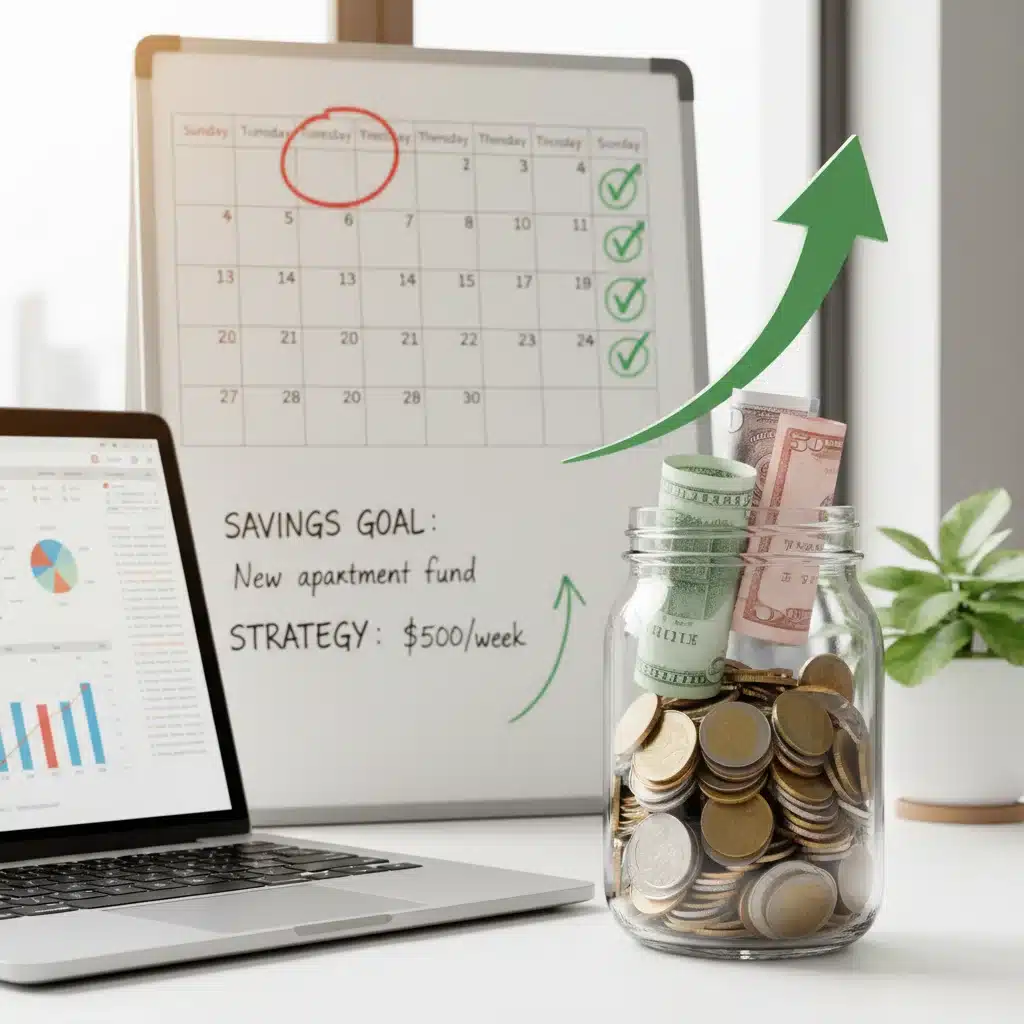
Week 4: Sustain and Automate – Making it a Lifestyle
The final week is about solidifying your new habits and putting systems in place to ensure your improved cash flow management becomes a sustainable lifestyle, not just a temporary fix.
Day 22-24: Review and Adjust Your Budget
- Create Your New Budget: Based on the insights from Weeks 1-3, create a realistic and sustainable budget. Allocate specific amounts for each spending category, including your new, reduced discretionary spending.
- Allocate Savings Goals: Now that you’ve identified extra cash, allocate it towards specific savings goals (e.g., emergency fund, down payment, retirement, vacation). Give your money a job!
- Track Your Progress: Continue to track your spending diligently. This allows you to see if you’re sticking to your new budget and helps you identify any new leaks.
- Set Up Budget Reviews: Schedule a weekly or bi-weekly budget review. This doesn’t have to be long, just 15-30 minutes to check in and make adjustments as needed.
- Reward Yourself (Responsibly): Acknowledge your progress! Plan a small, budget-friendly reward for sticking to your plan. This positive reinforcement can be highly motivating.
Day 25-28: Automate for Long-Term Success
- Automate Savings: Reiterate and ensure all your savings transfers are automated and occurring regularly.
- Automate Debt Payments: If you have debt, automate payments to ensure they are always on time, avoiding late fees and potentially helping you pay down principal faster.
- Automate Bill Payments: Double-check that all your recurring bills are set up for automatic payment where possible.
- Set Financial Goals: Beyond just reducing spending, define clear, measurable, achievable, relevant, and time-bound (SMART) financial goals. These could include building a 6-month emergency fund, paying off a specific debt, or saving for a large purchase.
- Educate Yourself Continuously: Financial literacy is an ongoing journey. Read books, listen to podcasts, and follow reputable financial blogs to keep learning and refining your strategies.
- Prepare for the Unexpected: Ensure your emergency fund is adequately funded. This is your safety net, protecting your cash flow from unforeseen circumstances.
By the end of this 4-week plan, you will have not only identified and eliminated 15% of your unnecessary spending but also established a robust system to maintain and further improve your financial health. Mastering your cash flow is a continuous process, but these four weeks provide a powerful launchpad for a more secure and prosperous future. The habits you’ve built during this month will serve as the foundation for lifelong financial discipline and success. This isn’t just about reaching a specific percentage reduction; it’s about fundamentally changing your relationship with money. You’ve transitioned from a passive observer of your finances to an active participant, making intentional choices that propel you towards your dreams. The automation steps ensure that your good habits continue to work for you, even when life gets busy. This proactive approach to financial management will empower you to navigate economic uncertainties with confidence and build lasting wealth. Congratulations on embarking on this transformative journey to master your cash flow!
Beyond the 4 Weeks: Maintaining Your Cash Flow Mastery
Achieving a 15% reduction in unnecessary spending within four weeks is a fantastic accomplishment, but true mastery of your cash flow is an ongoing commitment. The strategies and habits you’ve developed during this intense period are not meant to be temporary fixes but rather the foundation for a lifetime of financial health. To ensure your efforts continue to yield positive results, consider these long-term practices:
Regular Financial Check-ins
Just as you schedule regular check-ups for your physical health, your financial health also benefits from consistent attention. Make it a habit to review your budget and financial statements at least once a month. This allows you to catch any new spending creep, reassess your categories, and adjust for life changes. Life is dynamic; your budget should be too. A monthly review helps you stay agile and responsive to your evolving financial landscape, ensuring that your cash flow remains optimized. This regular cadence reinforces the discipline you’ve built and helps prevent old, wasteful habits from creeping back in. It’s also an opportunity to celebrate your ongoing successes and make minor course corrections before they become major issues.
Setting New Financial Goals
Once you’ve mastered your basic cash flow, set your sights on new horizons. Perhaps it’s saving for a down payment on a house, funding a child’s education, planning an epic vacation, or accelerating your retirement savings. Having clear, motivating goals will provide purpose for your optimized cash flow. Break these larger goals into smaller, manageable milestones to keep yourself motivated. Visualizing your progress towards these goals can be a powerful motivator, transforming abstract financial concepts into tangible achievements. This continuous goal-setting process ensures that your financial journey remains exciting and purposeful, pushing you to maintain your cash flow discipline.
Increasing Your Financial Literacy
The world of personal finance is vast and ever-evolving. Commit to continuous learning. Read books on investing, listen to podcasts about wealth building, or take online courses on advanced financial planning. The more you know, the better equipped you’ll be to make informed decisions that further enhance your cash flow and build long-term wealth. Understanding concepts like compound interest, diversification, and tax efficiency can unlock even greater financial potential. This ongoing education empowers you to adapt to new economic conditions and take advantage of emerging opportunities, solidifying your position as a true master of your cash flow.
Building Multiple Income Streams
While Week 3 touched on income enhancement, consider making the development of multiple income streams a long-term strategy. Relying on a single source of income can be risky. Exploring side hustles, investments, or passive income opportunities can create a more resilient financial portfolio and significantly boost your overall cash flow. This diversification of income not only provides financial security but also accelerates your progress towards achieving your financial goals. Whether it’s through real estate, a passion project, or strategic investments, building additional income streams is a hallmark of true financial mastery.
Practicing Mindful Spending
Beyond strict budgeting, cultivate a mindset of mindful spending. Before every purchase, big or small, pause and ask yourself: ‘Do I truly need this? Does this align with my values and financial goals?’ This conscious approach to consumption helps prevent impulse buys and ensures that your spending reflects your priorities. Mindful spending isn’t about deprivation; it’s about intentionality and making choices that contribute to your overall well-being and financial health. It transforms spending from a reactive habit to a deliberate act, reinforcing your commitment to mastering your cash flow.
Reviewing and Optimizing Debt
If you have any debt, particularly high-interest consumer debt, make a plan to systematically pay it down. The money you save on interest payments can be redirected to savings or investments, further enhancing your cash flow. Consider strategies like the debt snowball or debt avalanche method. Periodically review your debt obligations to ensure you’re always on the most advantageous repayment path. Eliminating debt frees up a significant portion of your monthly income, providing immense flexibility and accelerating your journey to financial independence. It’s a critical component of truly mastering your cash flow.
Conclusion: Your Journey to Financial Empowerment in 2026 and Beyond
Mastering your cash flow is not a one-time event; it’s a journey of continuous learning, adaptation, and growth. This 4-week plan has provided you with the tools, strategies, and mindset shifts necessary to identify and eliminate unnecessary spending by 15%, setting you on a path to greater financial control and freedom. By diligently following each week’s steps – from the initial audit to the final automation – you’ve laid a strong foundation for a financially secure future in 2026 and beyond. Remember, every small decision you make about your money contributes to your overall financial picture. By being intentional, consistent, and proactive, you are empowering yourself to achieve your financial dreams. Embrace this journey, celebrate your successes, and continue to refine your approach. Your financial future is in your hands, and with the principles of cash flow mastery, you are well-equipped to make it a prosperous one. Congratulations on taking this significant step towards financial empowerment!