The 2026 Guide to Emergency Funds: Building a 6-Month Safety Net with Just 2 Hours of Planning
In an increasingly unpredictable world, the importance of a robust financial safety net cannot be overstated. Welcome to 2026, where economic shifts and unexpected life events continue to underscore the critical need for an emergency fund. This isn’t just about weathering a storm; it’s about building a foundation for peace of mind, financial freedom, and the ability to seize opportunities. Many people shy away from building an emergency fund, thinking it’s a monumental task requiring endless hours of meticulous planning. What if we told you that you could lay the groundwork for a substantial 6-month emergency fund with just two hours of focused effort? This comprehensive guide will show you exactly how to achieve that, providing practical, time-sensitive solutions tailored for the realities of 2026. We’ll demystify the process of emergency fund planning, breaking it down into actionable steps that fit into even the busiest schedules. Our goal is to empower you to create a secure financial future, starting now.
Anúncios
The concept of an emergency fund is simple: it’s a dedicated savings account specifically for unexpected expenses. This could include job loss, medical emergencies, car repairs, or unforeseen home maintenance. Without an emergency fund, these events can quickly derail your financial progress, forcing you into debt or compromising your long-term goals. With one, you’re prepared, resilient, and in control. This guide focuses on the ‘how’ – how to swiftly and effectively build a 6-month safety net. We’ll cover everything from defining your target amount to identifying quick savings opportunities and automating your contributions. By the end of this article, you’ll have a clear roadmap and the motivation to take immediate action on your emergency fund planning.
Hour 1: Assessment and Goal Setting – The Foundation of Your Emergency Fund
The first hour of your emergency fund planning journey is dedicated to understanding your current financial landscape and setting a clear, achievable goal. This foundational step is crucial for effective and sustainable saving. Don’t underestimate the power of clarity; knowing exactly what you’re working towards will fuel your motivation and guide your decisions. Let’s break down how to maximize this hour.
Anúncios
Step 1: Calculate Your Monthly Expenses (20 minutes)
Before you can determine how much you need for a 6-month emergency fund, you must know your essential monthly expenses. This isn’t about every single dollar you spend, but rather the bare minimum required to cover your necessities. Think about what you absolutely cannot live without if your income suddenly disappeared. This includes:
- Housing: Rent or mortgage payments, property taxes, homeowner’s insurance.
- Utilities: Electricity, gas, water, internet (consider basic plans if cutting back).
- Food: Groceries for essential meals (not dining out or gourmet items).
- Transportation: Car payments, insurance, fuel, public transport fares (enough to get to work or essential appointments).
- Healthcare: Insurance premiums, essential prescriptions.
- Minimum Debt Payments: Only minimum payments on credit cards or loans to avoid default, not extra payments.
Go through your bank statements, credit card statements, and utility bills from the last three months. Average these essential expenses to get a realistic monthly total. Be honest and realistic here; this isn’t the time to sugarcoat your spending. This figure will be the cornerstone of your emergency fund planning. Write this number down clearly.
Step 2: Define Your 6-Month Target (10 minutes)
Once you have your essential monthly expenses, calculating your 6-month emergency fund target is straightforward. Multiply your essential monthly expense total by six. For example, if your essential monthly expenses are $2,500, your target emergency fund is $15,000. This 6-month buffer provides a significant safety net, giving you ample time to recover from most financial setbacks without panic. While some experts suggest 3-6 months, 6 months offers a more robust cushion, especially in an evolving economic climate like 2026. This target is your North Star for your emergency fund planning.
Step 3: Assess Your Current Savings (15 minutes)
Now, take stock of what you already have. Look at all your savings accounts, money market accounts, and any other readily accessible funds that could be designated as an emergency fund. Be careful not to include retirement accounts (like 401ks or IRAs) or investments that aren’t easily liquid without penalty. Subtract this current amount from your 6-month target. The result is the gap you need to fill. This provides a clear picture of the task ahead and helps refine your emergency fund planning strategy.
Step 4: Identify Quick Wins for Initial Funding (15 minutes)
The final part of your first hour is about jump-starting your fund. Look around your home for items you no longer use but still hold value. Think electronics, designer clothes, furniture, or collectibles. Platforms like eBay, Facebook Marketplace, or local consignment shops offer quick ways to turn these items into cash. Even small amounts can provide a significant psychological boost and kickstart your emergency fund planning. Consider selling just one or two items to get the ball rolling. This immediate action creates momentum and makes the goal feel more attainable.
Hour 2: Strategy and Automation – Accelerating Your Emergency Fund Growth
With your goal set and an initial assessment complete, the second hour is all about putting a robust plan into action. This involves identifying ongoing savings opportunities and, most importantly, automating your contributions to ensure consistent growth of your emergency fund. Automation is the secret sauce to successful emergency fund planning, removing the need for willpower and making saving a habit.
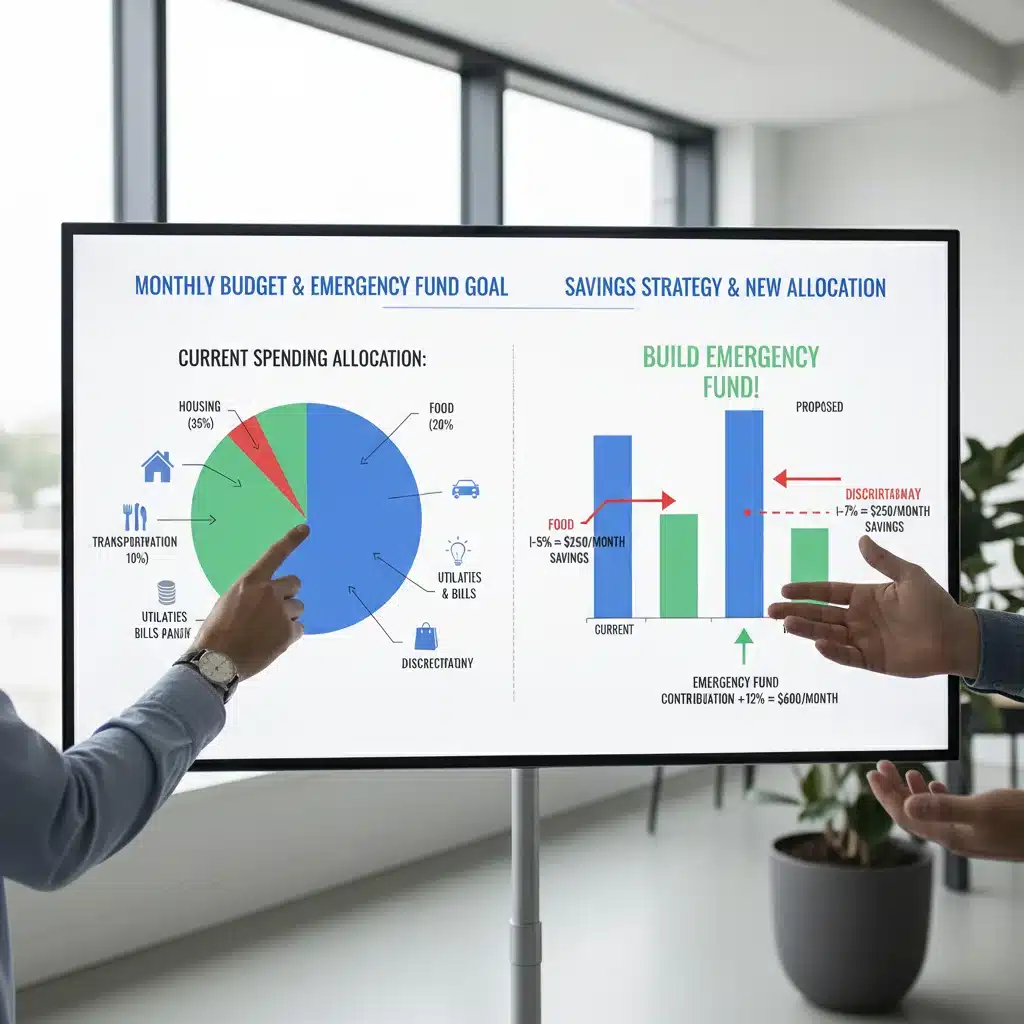
Step 1: Optimize Your Budget for Savings (30 minutes)
This is where you get granular. Revisit your entire monthly budget, not just essential expenses. Look for areas where you can cut back, even temporarily, to funnel more money into your emergency fund. This might involve:
- Subscription Services: Do you really use all your streaming services, gym memberships, or app subscriptions? Cancel or pause those you don’t use regularly.
- Dining Out/Takeaway: This is often a significant expense. Challenge yourself to cook at home more often.
- Entertainment: Look for free or low-cost activities.
- Discretionary Spending: Identify non-essential purchases that can be deferred or eliminated.
- Negotiate Bills: Call your internet, cable, or insurance providers. Often, you can negotiate lower rates or switch to more cost-effective plans.
Don’t view these cuts as permanent sacrifices, but rather as temporary adjustments to achieve a critical financial goal. Every dollar saved here is a dollar closer to your secure emergency fund. This proactive approach is central to effective emergency fund planning.
Step 2: Set Up Automatic Transfers (15 minutes)
This is arguably the most crucial step in your emergency fund planning. Log into your online banking portal and set up an automatic transfer from your checking account to your dedicated emergency fund savings account. Schedule this transfer to occur on your payday, ideally immediately after your salary hits your account. Even if it’s a small amount to start, consistency is key. As your income increases or you find more savings, you can easily increase this automatic contribution. The beauty of automation is that you ‘pay yourself first’ before you even have a chance to spend the money. This makes building your emergency fund almost effortless over time.
Step 3: Explore Additional Income Streams (10 minutes)
Even a quick brainstorm can yield results. Consider ways to boost your income, even temporarily. This could be:
- Freelance Gigs: Offer your skills on platforms like Upwork or Fiverr.
- Part-time Work: Even a few hours a week can make a significant difference.
- Odd Jobs: Dog walking, babysitting, yard work for neighbors.
- Side Hustles: Turn a hobby into a money-making venture.
Every extra dollar earned and directed straight into your emergency fund will accelerate your progress. This proactive approach to increasing income is a powerful component of comprehensive emergency fund planning.
Step 4: Choose the Right Account for Your Emergency Fund (5 minutes)
Where you keep your emergency fund matters. It needs to be:
- Liquid: Easily accessible without penalties.
- Separate: In an account distinct from your everyday checking and savings, so you’re not tempted to dip into it for non-emergencies.
- High-Yield: Look for a high-yield savings account (HYSA). In 2026, many online banks offer significantly better interest rates than traditional brick-and-mortar banks, helping your money grow faster, even if modestly.
Researching and opening an HYSA can often be done online in minutes. This ensures your emergency fund is working for you, even as it sits there, ready for when you need it.
Beyond the Two Hours: Sustaining Your Emergency Fund in 2026
While the initial two hours provide a powerful launchpad for your emergency fund planning, maintaining and growing it requires ongoing vigilance and smart habits. The financial landscape of 2026 demands a proactive approach to personal finance. Here’s how to ensure your emergency fund remains robust and ready for anything.
Regular Reviews and Adjustments
Life changes, and so should your emergency fund. Aim to review your fund and essential expenses at least once a year, or whenever a significant life event occurs (e.g., marriage, new baby, job change, major purchase). Your essential expenses might increase or decrease, and your 6-month target should reflect these changes. This continuous assessment is vital for effective emergency fund planning.
Avoid Raiding Your Fund for Non-Emergencies
This is perhaps the hardest rule to follow. An emergency fund is for emergencies. A sale on a new gadget, a spontaneous vacation, or a desire for a new car are not emergencies. If you dip into your fund for non-emergencies, you undermine its purpose and leave yourself vulnerable when a real crisis strikes. If you find yourself tempted, revisit your initial motivation for building the fund and remind yourself of the peace of mind it provides. This discipline is a cornerstone of sound emergency fund planning.
Replenish as Needed
If you do have to use your emergency fund for a legitimate crisis, make it your top financial priority to replenish it as quickly as possible. Treat it like a debt you owe yourself, and redirect all available extra income towards bringing it back to your target level. This commitment ensures your emergency fund planning remains effective.
Consider Inflation and Economic Changes
In 2026, inflation can subtly erode the purchasing power of your savings. While a high-yield savings account helps, it’s also wise to consider that your ‘essential expenses’ might increase over time due to rising costs. Factor this into your annual reviews and be prepared to adjust your target amount upwards if necessary. Staying informed about economic trends is part of comprehensive emergency fund planning.
Integrate with Broader Financial Goals
Your emergency fund isn’t an isolated financial product; it’s a critical component of your overall financial strategy. Once your emergency fund is fully funded, you can then confidently shift your focus to other goals, such as investing for retirement, saving for a down payment, or paying off high-interest debt. Knowing you have a safety net allows you to take on other financial challenges with less risk. This holistic view enhances your emergency fund planning.
The Psychological Benefits of a Fully Funded Emergency Fund
Beyond the purely financial advantages, having a robust emergency fund offers profound psychological benefits that are often overlooked. In the fast-paced and sometimes uncertain world of 2026, these benefits are more valuable than ever.
Reduced Stress and Anxiety
Perhaps the most immediate and tangible benefit is the significant reduction in financial stress and anxiety. Knowing you have a buffer against the unexpected allows you to sleep better at night. The constant worry about ‘what if’ is replaced by a quiet confidence that you can handle whatever life throws your way. This peace of mind is invaluable and makes the effort of emergency fund planning truly worthwhile.
Increased Freedom and Flexibility
An emergency fund provides a sense of freedom. It frees you from the golden handcuffs of a job you dislike but can’t leave because of financial dependency. It allows you to take calculated risks, pursue new opportunities, or even take a sabbatical if needed, knowing your essential needs are covered. This flexibility empowers you to make life choices based on your aspirations, not just your financial obligations. This aspect of emergency fund planning is often underestimated.
Better Decision-Making
When faced with a crisis, people without an emergency fund often make rash, emotionally driven decisions – taking out high-interest loans, selling investments at a loss, or delaying necessary medical treatment. With an emergency fund, you have the luxury of time and clarity. You can make thoughtful, strategic decisions that are in your best long-term interest, rather than being forced into suboptimal choices. This leads to more effective emergency fund planning during a crisis.
Improved Relationships
Financial stress is a leading cause of conflict in relationships. When one or both partners are constantly worried about money, it can strain even the strongest bonds. A shared emergency fund reduces this pressure, fostering a sense of teamwork and security. It allows couples to focus on their relationship rather than being consumed by financial anxieties. This contributes positively to overall family emergency fund planning.
Enhanced Overall Well-being
Ultimately, the psychological benefits of an emergency fund contribute to a greater sense of overall well-being. It’s not just about money; it’s about health, happiness, and the ability to live a life with fewer worries. This holistic improvement makes emergency fund planning an investment in your entire life, not just your bank account.

Common Misconceptions About Emergency Funds in 2026
Despite their critical importance, several myths and misconceptions still circulate about emergency funds. Addressing these can help clarify your emergency fund planning and motivate you to act.
Misconception 1: My Credit Card is My Emergency Fund
This is a dangerous trap. While a credit card can provide immediate access to funds, it comes with high interest rates if not paid off quickly. Relying on credit cards for emergencies means turning a crisis into a debt spiral. An emergency fund is cash you own, not borrowed money you have to repay with interest. Effective emergency fund planning means having cash on hand.
Misconception 2: I’ll Start Saving When I Earn More
This is a common procrastination tactic. The truth is, there will always be reasons to spend more as your income grows. The best time to start saving for an emergency fund is now, regardless of your current income level. Even small, consistent contributions build momentum and establish a healthy habit. Don’t wait for a mythical ‘perfect’ time for emergency fund planning.
Misconception 3: My Investments Can Serve as My Emergency Fund
While investments can be a source of funds, they are typically not liquid enough for immediate emergencies without potentially incurring penalties or being forced to sell at an unfavorable time. The stock market fluctuates, and you don’t want to be forced to sell during a downturn just because you need cash. An emergency fund should be in a safe, easily accessible account, separate from your investments. This distinction is crucial for sound emergency fund planning.
Misconception 4: It Takes Too Long to Build a Sufficient Fund
As this guide demonstrates, you can make significant progress in a very short amount of time. While reaching a 6-month target might take more than two hours, the planning and initial setup can be done swiftly. Consistency and automation are key to accelerating the process. Don’t let the perceived scale of the task deter you from starting your emergency fund planning today.
Misconception 5: It’s Only for Big Emergencies
While job loss or major medical issues are certainly emergencies, your fund can also cover smaller, unexpected expenses like a sudden car repair, a broken appliance, or an unexpected home repair. These smaller emergencies can still disrupt your budget if you’re unprepared. An emergency fund covers the spectrum of unforeseen costs, simplifying your emergency fund planning.
Conclusion: Your Two-Hour Path to Financial Resilience in 2026
Building a 6-month emergency fund might seem daunting, but as we’ve outlined, the critical first steps of emergency fund planning can be achieved in just two focused hours. By dedicating one hour to assessment and goal setting, and another hour to strategy and automation, you can establish a robust foundation for financial security in 2026 and beyond. This isn’t just about saving money; it’s about investing in your peace of mind, your freedom, and your ability to navigate life’s inevitable uncertainties with confidence.
Remember, the power of an emergency fund extends far beyond its monetary value. It’s a shield against unexpected setbacks, a catalyst for better financial decision-making, and a cornerstone of overall well-being. Don’t let procrastination or misconceptions hold you back. Take the challenge: set aside two hours this week to kickstart your emergency fund planning. The financial resilience and peace of mind you gain will be well worth the effort. Start today, and empower yourself for a more secure and stable future.