Financial Resilience: Build 3-6 Months Emergency Fund by Year-End 2026
Anúncios
Financial Resilience: Building an Emergency Fund of 3-6 Months’ Expenses by Year-End 2026
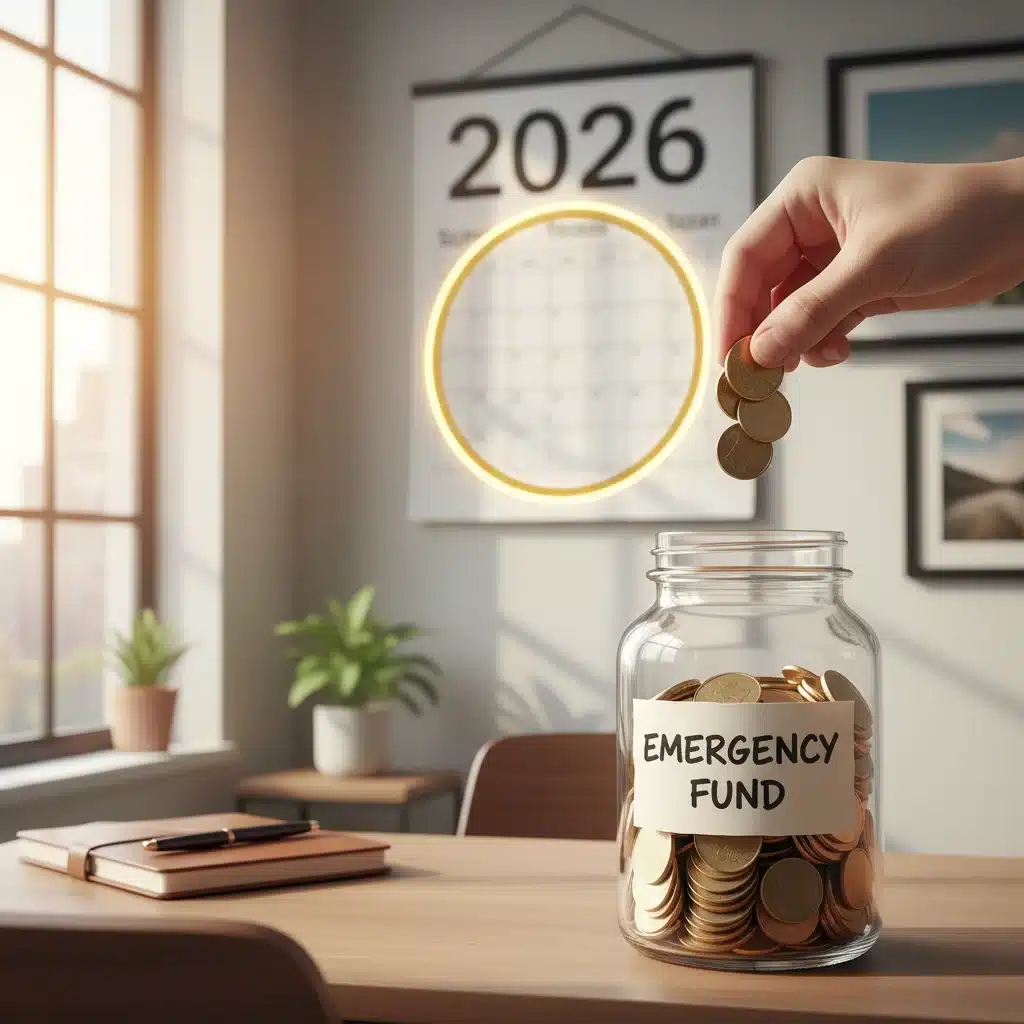
In an increasingly unpredictable world, financial resilience is not merely a desirable trait; it’s a fundamental necessity. The cornerstone of true financial resilience is a robust emergency fund. This isn’t just about having some extra cash stashed away; it’s about creating a safety net substantial enough to cover 3 to 6 months of your essential living expenses. Our ambitious yet achievable goal for you is to establish this vital financial buffer by year-end 2026. This article will serve as your comprehensive guide, offering actionable strategies, practical tips, and the motivation you need to make this critical financial objective a reality. We’ll delve into why an emergency fund 2026 target is crucial, how to calculate your target, effective saving strategies, and how to maintain this fund once established.
Anúncios
Why an Emergency Fund is Non-Negotiable in Today’s Economic Climate
Life is full of surprises, and not all of them are pleasant. From unexpected job loss and medical emergencies to car repairs and home maintenance issues, unforeseen expenses can quickly derail even the most meticulously planned budgets. Without an adequate emergency fund, these events can lead to accumulating high-interest debt, liquidating long-term investments prematurely, or even facing financial ruin. An emergency fund 2026 target provides a clear, time-bound objective to shield yourself from these potential crises.
Consider the recent global events that have highlighted the fragility of economic stability. Many individuals and families found themselves unprepared for sudden income disruptions or increased expenses. Those with an emergency fund were better positioned to weather the storm, maintaining their financial stability and peace of mind. This isn’t just about avoiding debt; it’s about preserving your mental well-being and your ability to make sound financial decisions during stressful times.
Moreover, having an emergency fund allows you to take calculated risks and pursue opportunities without the constant fear of financial repercussions. Whether it’s considering a career change, starting a side hustle, or investing in personal development, knowing you have a financial cushion empowers you to make choices that align with your long-term goals, rather than being dictated by immediate financial pressures. Therefore, setting an emergency fund 2026 goal is an investment in your future self, promising greater freedom and security.
Anúncios
Defining Your Emergency Fund Target: The 3-6 Month Rule
The generally accepted wisdom is to have 3 to 6 months’ worth of essential living expenses saved in an easily accessible account. But what exactly constitutes ‘essential living expenses,’ and how do you calculate your personal target?
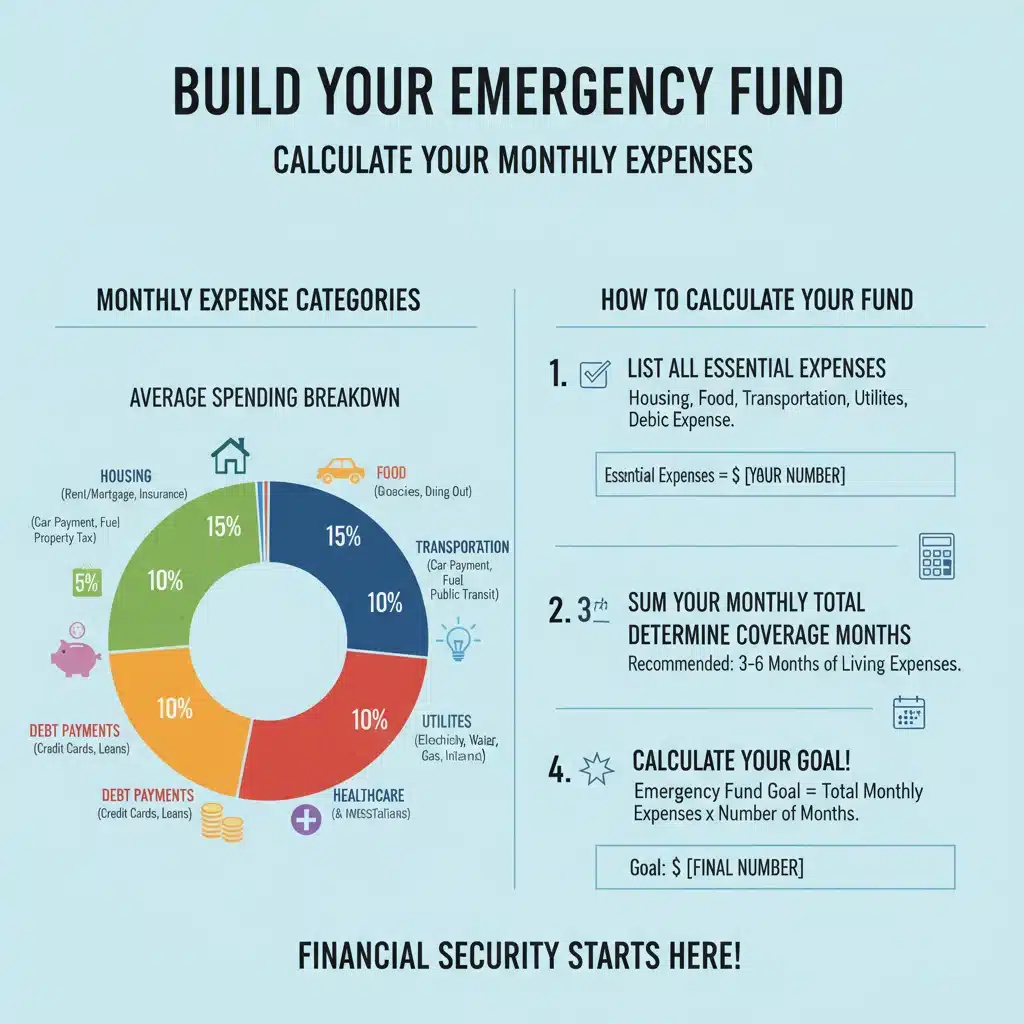
Step 1: Calculate Your Monthly Essential Expenses
This is the foundational step. You need a clear, accurate picture of what it costs you to live each month. This isn’t about your total spending, but rather the bare minimum required to keep a roof over your head, food on the table, and essential services running. Here’s a breakdown of what to include:
- Housing: Rent or mortgage payment, property taxes, homeowner’s insurance (if not escrowed).
- Utilities: Electricity, gas, water, internet (often essential for job searching or remote work).
- Food: Groceries for basic sustenance, not dining out or gourmet meals.
- Transportation: Car payment, insurance, gas, public transport passes (enough to get to work or essential appointments).
- Healthcare: Insurance premiums, essential prescription costs.
- Minimum Debt Payments: Only the absolute minimum payments on credit cards, student loans, or other debts to avoid default.
- Childcare: If applicable and essential for employment.
What to exclude from this calculation are discretionary expenses such as:
- Entertainment (movies, concerts, streaming services)
- Dining out
- Vacations
- New clothes (unless absolutely essential for work)
- Gym memberships (unless they are a medical necessity)
Go through your bank statements and credit card bills for the last few months to get an average. Be honest and realistic. This number will be your ‘essential monthly expense.’
Step 2: Determine Your Target Range (3-6 Months)
Once you have your essential monthly expense figure, multiply it by 3 and then by 6. This gives you your target range. For example, if your essential monthly expenses are $2,500:
- 3-month target: $2,500 x 3 = $7,500
- 6-month target: $2,500 x 6 = $15,000
The ideal amount within this range depends on several factors:
- Job Security: If your job is stable and in high demand, 3 months might suffice. If your industry is volatile or you have specialized skills that make job searching longer, aim for 6 months or more.
- Household Income: Single-income households generally need a larger buffer.
- Dependents: More dependents typically necessitate a larger fund.
- Health: If you or a family member has chronic health issues, a larger fund can cover unexpected medical bills.
- Other Debts: If you have significant high-interest debt, you might prioritize paying that down after establishing a smaller emergency fund (e.g., 1 month), then build up the full fund.
For most people, aiming for the higher end of the spectrum (6 months) offers greater peace of mind and flexibility. This emergency fund 2026 goal should be clearly defined and written down.
Crafting Your Saving Strategy: How to Reach Your Emergency Fund 2026 Goal
Now that you know your target, it’s time to build a concrete plan to get there by the end of 2026. This isn’t a sprint; it’s a marathon that requires consistent effort and smart financial habits.
Strategy 1: Automate Your Savings
The easiest way to consistently save is to make it automatic. Set up an automatic transfer from your checking account to a separate savings account (ideally one specifically designated for your emergency fund) each payday. Treat this transfer like any other bill you have to pay. Even small, consistent contributions add up significantly over time. For example, if your goal is $15,000 by the end of 2026 (roughly 30 months from now if starting mid-2024), that’s $500 per month. Break it down into bi-weekly or weekly transfers to make it feel less daunting.
Strategy 2: Cut Unnecessary Expenses (Budgeting Bootcamp)
This is where the real work often begins. Review your non-essential expenses with a critical eye. Can you:
- Reduce Subscriptions: Audit your streaming services, gym memberships, and other recurring subscriptions. Cancel what you don’t use or consolidate.
- Eat at Home More: Dining out and takeout can be significant budgetbusters. Plan your meals and cook at home more often.
- Find Cheaper Alternatives: Can you switch to a more affordable phone plan, car insurance, or internet provider?
- Delay Large Purchases: Postpone non-essential big-ticket items until your emergency fund is fully funded.
- Shop Smarter: Use coupons, buy in bulk, shop sales, and avoid impulse purchases.
Every dollar saved from these categories can be redirected towards your emergency fund 2026. Use budgeting apps or spreadsheets to track your spending and identify areas for improvement. The key is to make these cuts sustainable, not just temporary sacrifices.
Strategy 3: Boost Your Income
Sometimes, cutting expenses isn’t enough, or there’s simply not much more to cut. In such cases, focusing on increasing your income can significantly accelerate your progress towards your emergency fund 2026 target.
- Side Hustles: Consider freelancing, dog walking, tutoring, ridesharing, or selling crafts online. Even a few extra hundred dollars a month can make a big difference.
- Sell Unused Items: Declutter your home and sell items you no longer need on platforms like eBay, Facebook Marketplace, or local consignment shops.
- Ask for a Raise: If you’re performing well at your job, prepare a case for a raise or promotion.
- Negotiate Bills: Call your service providers (cable, internet, insurance) and negotiate lower rates.
Every additional dollar earned and saved brings you closer to your goal. Make a conscious effort to funnel any extra income directly into your emergency fund.
Strategy 4: Windfalls and Bonuses
Did you receive a tax refund? A work bonus? An unexpected gift? While it’s tempting to splurge, consider allocating a significant portion, if not all, of these windfalls directly into your emergency fund. These lump sums can provide a substantial boost and help you reach your emergency fund 2026 goal much faster than incremental savings alone.
Where to Keep Your Emergency Fund: Accessibility vs. Growth
The primary purpose of an emergency fund is accessibility and safety, not aggressive growth. Therefore, it should be kept in a liquid, low-risk account.
- High-Yield Savings Account (HYSA): This is generally the best option. HYSAs offer better interest rates than traditional savings accounts, meaning your money earns a little more while remaining readily accessible. Look for accounts with no monthly fees and easy transfer options.
- Money Market Account: Similar to HYSAs, these offer slightly higher interest rates and sometimes check-writing privileges, but might have higher minimum balance requirements.
- Certificates of Deposit (CDs): While CDs offer higher interest rates, they lock up your money for a fixed term. This makes them less suitable for a primary emergency fund, as you might incur penalties for early withdrawal. Some people use a CD ladder strategy for a portion of their emergency fund, but the core should be in an HYSA.
Avoid: Investing your emergency fund in the stock market. While stocks offer potential for higher returns, they also come with significant risk and volatility. You don’t want to be forced to sell investments at a loss during a market downturn when you need the cash most.
Monitoring Your Progress and Staying Motivated
Building an emergency fund 2026 is a long-term commitment. Regular monitoring and motivation are key to staying on track.
- Track Your Progress: Use a spreadsheet, a budgeting app, or even a simple chart on your wall to visualize how close you are to your goal. Seeing your savings grow can be incredibly motivating.
- Set Mini-Goals: Instead of focusing solely on the grand total, celebrate reaching smaller milestones, like your first $1,000, or your first month’s expenses saved.
- Review and Adjust: Life changes, and so might your expenses or income. Revisit your budget and emergency fund target periodically (e.g., quarterly) to ensure it’s still appropriate.
- Find an Accountability Partner: Share your goal with a trusted friend or family member who can offer encouragement and hold you accountable.
- Reward Yourself (Responsibly): When you hit a significant milestone, treat yourself to a small, non-financial reward that won’t derail your progress. This could be a special meal cooked at home, a walk in nature, or an evening dedicated to a hobby.

What to Do When You Have to Use Your Emergency Fund
The purpose of an emergency fund is to be used! Don’t feel guilty if you have to dip into it for a genuine emergency. That’s precisely what it’s there for. However, it’s crucial to:
- Confirm it’s a True Emergency: Is it an unexpected, necessary expense that you cannot cover with your regular income? Or is it a ‘want’ disguised as a ‘need’?
- Replenish Promptly: Once the emergency has passed, make it your top financial priority to replenish your emergency fund back to your target level. Treat it with the same urgency as you did when building it initially.
Beyond the Emergency Fund: Next Steps for Financial Resilience
While reaching your emergency fund 2026 goal is a monumental achievement, it’s just one piece of the broader financial resilience puzzle. Once your emergency fund is fully funded, consider these next steps:
- Pay Down High-Interest Debt: Tackle credit card debt, personal loans, or any other debt with high interest rates. The money saved on interest can be significant.
- Save for Retirement: Maximize contributions to your 401(k), IRA, or other retirement accounts, especially if your employer offers a match.
- Invest for Other Goals: Save for a down payment on a house, a child’s education, or other long-term financial aspirations.
- Review Insurance Coverage: Ensure you have adequate health, life, disability, and property insurance to protect your assets and income.
- Estate Planning: Consider a will, power of attorney, and other estate planning documents, especially if you have dependents.
By establishing a robust emergency fund 2026, you’re not just saving money; you’re building a foundation for a lifetime of financial security and peace of mind. This proactive approach to personal finance empowers you to navigate life’s inevitable challenges with confidence and control.
Common Pitfalls to Avoid
As you work towards your emergency fund 2026 goal, be aware of common mistakes that can derail your progress:
- The ‘It Won’t Happen to Me’ Mentality: Believing you’re immune to financial emergencies is a dangerous delusion. Everyone faces unexpected challenges.
- Saving Without a Clear Goal: Without a specific target (like 3-6 months’ expenses by 2026), savings efforts can feel aimless and lose momentum.
- Keeping it Too Accessible (or Not Accessible Enough): Don’t keep your emergency fund in your checking account where you might accidentally spend it, but also don’t lock it away in an inaccessible investment. The HYSA strikes the right balance.
- Not Replenishing After Use: Using the fund is fine, but failing to rebuild it leaves you vulnerable to the next crisis.
- Comparing Yourself to Others: Everyone’s financial journey is unique. Focus on your own progress and celebrate your own milestones.
Conclusion: Your Path to Financial Freedom by 2026
The journey to financial resilience begins with a single, deliberate step: committing to building a substantial emergency fund. By setting a clear target of 3 to 6 months’ essential expenses by year-end 2026, you are giving yourself a powerful roadmap to security. This isn’t just about accumulating money; it’s about cultivating a mindset of preparedness, discipline, and foresight.
Start today. Calculate your target, automate your savings, look for ways to cut expenses and boost income, and diligently track your progress. The peace of mind that comes from knowing you’re protected against life’s financial curveballs is invaluable. Make your emergency fund 2026 goal a reality, and unlock a new level of financial freedom and confidence for yourself and your loved ones. Your future self will thank you for the resilience you build today.