
Your 2026 Financial Health Check: 7 Key Metrics to Assess and Improve Your Economic Standing

Anúncios
In an ever-evolving economic landscape, understanding your financial position is more critical than ever. As we look towards 2026, conducting a thorough financial health check is not just recommended, it’s essential for long-term prosperity. This comprehensive guide will empower you with the knowledge and tools to assess your economic standing, identify areas for improvement, and implement practical solutions to secure your financial future. We will delve into seven key metrics that serve as indicators of your financial well-being, offering actionable advice to enhance each one.
Many individuals and families often postpone a detailed review of their finances, perhaps due to perceived complexity or a lack of time. However, neglecting a regular financial health check can lead to missed opportunities, unaddressed vulnerabilities, and ultimately, financial stress. By proactively evaluating your financial situation, you gain clarity, control, and the ability to make informed decisions that align with your personal and professional goals. The year 2026 presents a unique opportunity to reset, refocus, and re-engineer your financial strategy for optimal performance.
Anúncios
Our journey begins with understanding why a systematic approach to financial assessment is paramount. Think of your finances like your physical health; regular check-ups are necessary to catch potential issues early and maintain overall wellness. Similarly, a periodic financial health check allows you to monitor your financial vital signs, ensuring that your monetary body is robust and resilient against economic fluctuations. Let’s embark on this crucial task together, transforming potential anxieties into actionable strategies for financial empowerment.
The Importance of a 2026 Financial Health Check
The global economy is a dynamic entity, constantly influenced by technological advancements, geopolitical events, and shifting market trends. What was financially sound a few years ago might require adjustments today. A 2026 financial health check provides a snapshot of your current financial reality, enabling you to adapt and thrive. It’s about more than just knowing your bank balance; it’s about understanding the intricate web of your income, expenses, assets, and liabilities, and how they interact to shape your economic future.
Anúncios
Without a clear picture of your financial health, setting realistic goals becomes challenging. How can you plan for retirement, a down payment on a house, or your children’s education if you don’t know your starting point? A thorough assessment helps you identify strengths to leverage and weaknesses to address. It’s the first step towards building a resilient financial plan that can withstand unforeseen challenges and capitalize on emerging opportunities.
Moreover, a regular financial health check fosters financial literacy and confidence. As you delve into your numbers, you’ll gain a deeper understanding of financial principles and how they apply to your specific situation. This knowledge empowers you to make smarter decisions, negotiate better deals, and avoid common financial pitfalls. It transforms you from a passive observer of your finances into an active, informed manager of your wealth.
Metric 1: Net Worth – Your True Economic Standing
Your net worth is arguably the most fundamental metric in any financial health check. It represents the total value of your assets minus your liabilities. Assets include everything you own that has monetary value – cash, savings, investments, real estate, vehicles, and even valuable personal possessions. Liabilities are what you owe – mortgages, car loans, student loans, credit card debt, and other personal loans. A positive and growing net worth indicates increasing wealth and financial security.
Practical Solutions: To improve your net worth, focus on two key areas: increasing assets and decreasing liabilities. On the asset side, prioritize saving and investing regularly. Automate contributions to your savings and investment accounts. Explore diversified investment strategies that align with your risk tolerance. For liabilities, tackle high-interest debts first, such as credit card balances. Consider debt consolidation or refinancing options to reduce interest payments. Create a debt repayment plan and stick to it diligently. Regularly tracking your net worth (e.g., quarterly) allows you to see your progress and stay motivated. This metric is a cornerstone of a robust financial health check.
Metric 2: Savings Rate – Fueling Your Future Goals
Your savings rate is the percentage of your gross income that you save or invest. This metric is a powerful indicator of your ability to achieve future financial goals, whether it’s retirement, a down payment, or an emergency fund. A higher savings rate means you’re building wealth more quickly and are better prepared for unexpected events. Experts often recommend aiming for a savings rate of 15% or more, but any increase is a step in the right direction.
Practical Solutions: Boosting your savings rate often starts with budgeting. Create a detailed budget to identify where your money is going and pinpoint areas where you can cut unnecessary expenses. Automate your savings by setting up direct deposits from your paycheck into a separate savings or investment account. Consider the ‘pay yourself first’ principle – allocate a portion of your income to savings before spending on anything else. Look for opportunities to increase your income, such as a side hustle or negotiating a raise, and channel a significant portion of that extra income directly into savings. A strong savings rate is vital for a successful financial health check.
Metric 3: Debt-to-Income Ratio – Managing Your Obligations
The debt-to-income (DTI) ratio compares your total monthly debt payments to your gross monthly income. Lenders use this ratio to assess your ability to manage monthly payments and repay debts. A lower DTI ratio indicates a healthier financial situation and greater borrowing capacity. Generally, a DTI of 36% or less is considered good, while anything above 43% might signal financial strain.
Practical Solutions: To improve your DTI ratio, focus on reducing your monthly debt payments or increasing your income. Prioritize paying down high-interest debts. Consider debt snowball or debt avalanche methods to accelerate repayment. Avoid taking on new debt, especially for depreciating assets. If possible, explore options to increase your income through additional work, skill development, or career advancement. Regularly monitoring your DTI is a key component of your financial health check, ensuring you don’t become overextended.
Metric 4: Emergency Fund – Your Financial Safety Net
An emergency fund is a stash of readily accessible cash saved specifically for unexpected expenses, such as job loss, medical emergencies, or major home repairs. The general recommendation is to have 3 to 6 months’ worth of essential living expenses saved in a high-yield savings account. This fund provides a crucial buffer, preventing you from going into debt when unforeseen circumstances arise.
Practical Solutions: Building an emergency fund requires discipline. Start small; even saving $50 a month is better than nothing. Set a specific savings goal and automate transfers to a separate, easily accessible account. Treat your emergency fund as non-negotiable; it’s not for vacations or discretionary spending. If you dip into it, make replenishing it your top priority. Having a fully funded emergency reserve is a non-negotiable part of a thorough financial health check, offering peace of mind and security.
Metric 5: Retirement Savings Progress – Planning for the Golden Years
Assessing your retirement savings progress involves evaluating whether you are on track to meet your retirement goals. This isn’t just about the current balance in your retirement accounts; it’s about projecting if that balance, combined with future contributions and growth, will be sufficient to support your desired lifestyle in retirement. Factors like your age, desired retirement age, and expected expenses play a significant role.
Practical Solutions: Start saving for retirement as early as possible to leverage the power of compound interest. Maximize contributions to tax-advantaged accounts like 401(k)s, IRAs, or Roth IRAs. If your employer offers a 401(k) match, contribute at least enough to receive the full match – it’s free money! Regularly review your investment portfolio within these accounts to ensure it aligns with your risk tolerance and long-term goals. Consider consulting a financial advisor to create a personalized retirement plan and conduct annual reviews. A robust retirement plan is a critical aspect of your ongoing financial health check.
Metric 6: Investment Portfolio Diversification – Spreading Risk Wisely
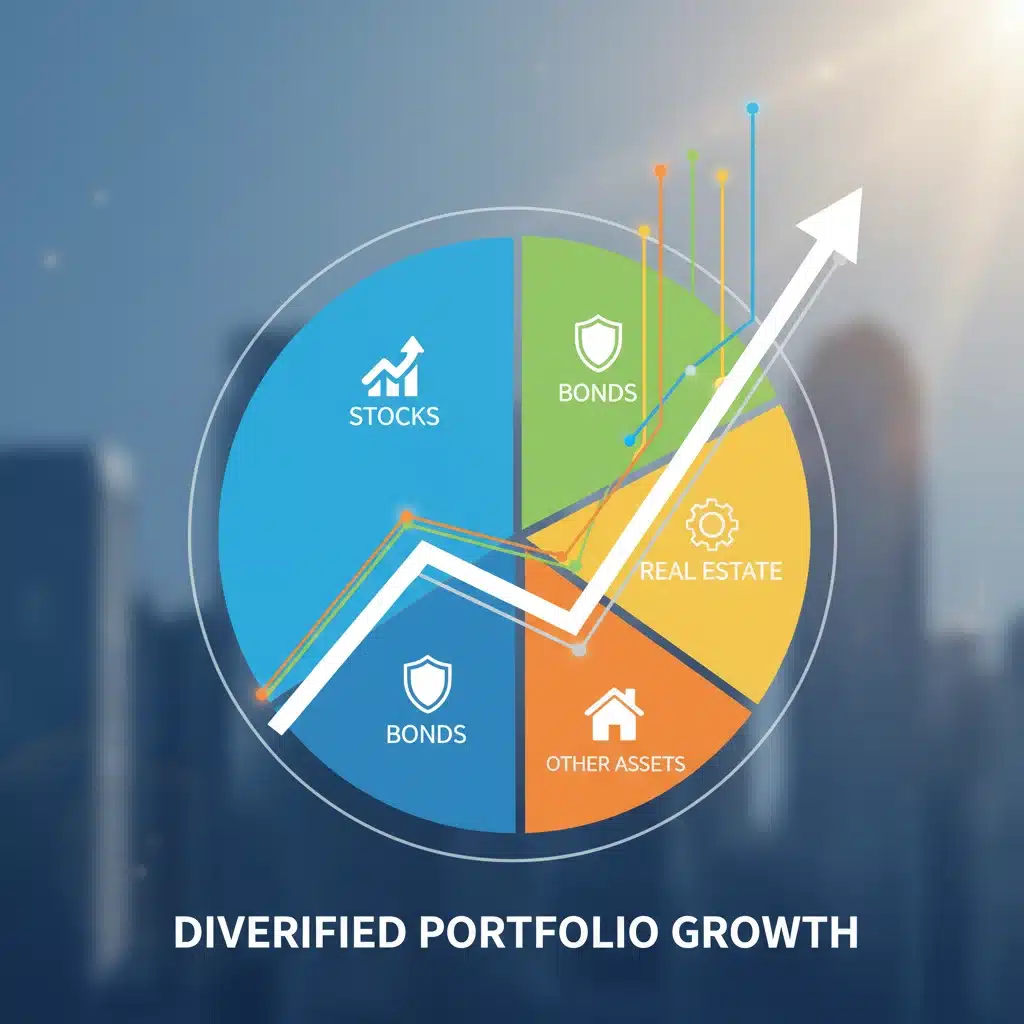
Diversification is the strategy of spreading your investments across various asset classes, industries, and geographies to minimize risk. A well-diversified portfolio helps protect you from significant losses if one particular investment performs poorly. It ensures that your financial eggs aren’t all in one basket, promoting more stable and consistent long-term growth.
Practical Solutions: Review your investment portfolio to ensure it’s adequately diversified. This might include a mix of stocks, bonds, real estate, and potentially alternative investments, depending on your risk profile and investment horizon. Avoid putting too much capital into a single stock or sector. Rebalance your portfolio periodically to maintain your desired asset allocation. As you get closer to retirement, you might shift towards more conservative investments. Understanding and optimizing your diversification is a sophisticated but essential part of any comprehensive financial health check.
Metric 7: Credit Score – Your Financial Reputation
Your credit score is a three-digit number that reflects your creditworthiness. It’s based on your payment history, amounts owed, length of credit history, new credit, and credit mix. A good credit score (typically 700+) can unlock lower interest rates on loans, better insurance premiums, and even influence housing and employment opportunities. A poor score can make borrowing expensive or even impossible.
Practical Solutions: To improve your credit score, focus on consistent, on-time payments for all your debts. Keep your credit utilization ratio (the amount of credit you’re using compared to your total available credit) low, ideally below 30%. Avoid opening too many new credit accounts in a short period. Regularly check your credit report for errors and dispute any inaccuracies. Building and maintaining a strong credit score is a continuous effort and a vital component of your overall financial health check.
Putting Your 2026 Financial Health Check into Action
Now that you’ve explored these seven key metrics, the next step is to translate this knowledge into actionable strategies. A financial health check isn’t a one-time event; it’s an ongoing process. Here’s how to integrate these insights into your daily financial management:
Create a Detailed Budget (Revisited)
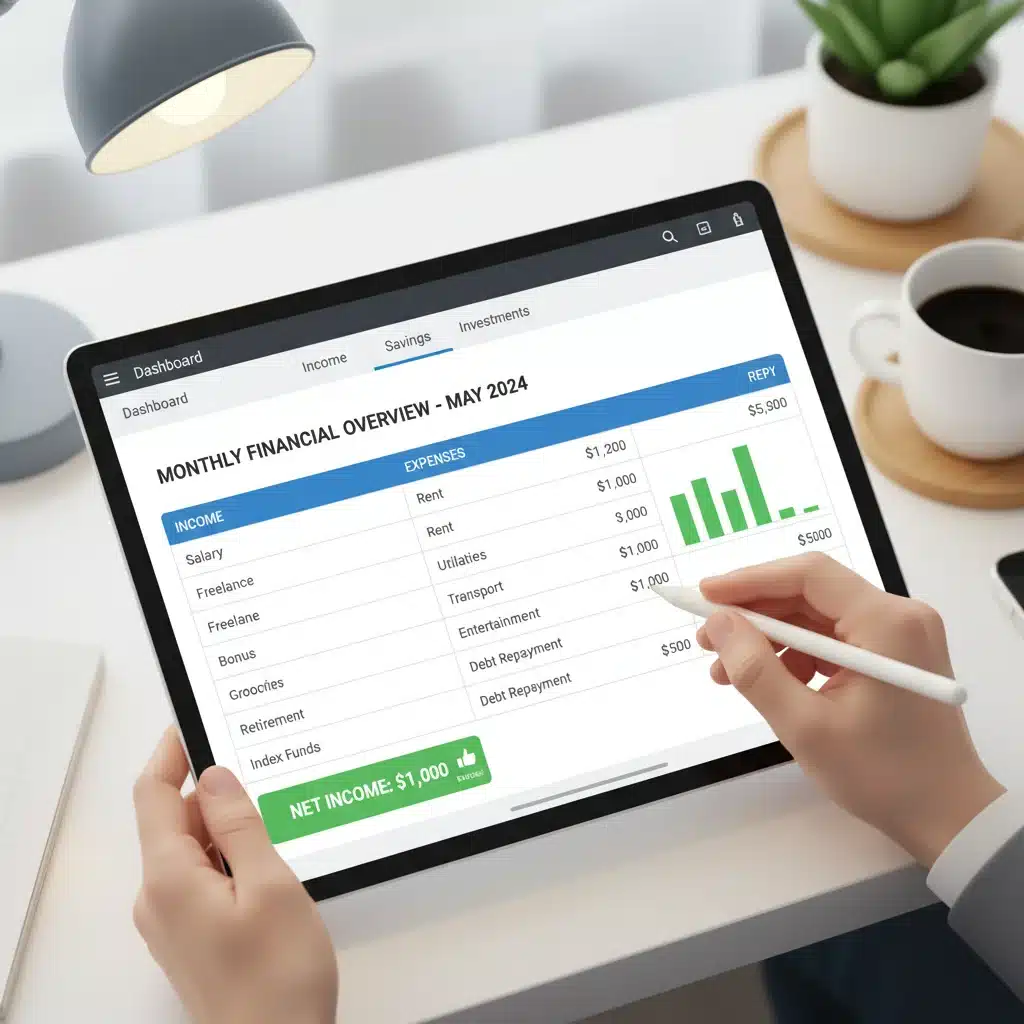
We touched upon budgeting earlier, but its importance warrants a deeper dive. A budget is your financial roadmap. It helps you understand your cash flow, identify spending patterns, and allocate funds towards your goals. Use apps, spreadsheets, or even pen and paper to track every dollar coming in and going out. Categorize your expenses to see where you can cut back. Remember the 50/30/20 rule as a guideline: 50% for needs, 30% for wants, and 20% for savings and debt repayment. This foundational step underpins every aspect of your financial health check.
Set SMART Financial Goals
Specific, Measurable, Achievable, Relevant, and Time-bound (SMART) goals provide direction and motivation. Instead of saying ‘I want to save more,’ aim for ‘I will save $5,000 for a down payment by December 31, 2026.’ Break down larger goals into smaller, manageable steps. Regularly review your progress towards these goals during your financial health check to stay on track.
Automate Your Savings and Investments
The easiest way to ensure you’re consistently building wealth is to automate it. Set up automatic transfers from your checking account to your savings, investment, and retirement accounts immediately after you get paid. This ‘out of sight, out of mind’ approach removes the temptation to spend the money and ensures consistent progress towards your financial objectives. Automation is a powerful ally in your financial health check.
Regularly Review and Adjust
Your financial situation, life circumstances, and economic conditions will change. Therefore, your financial plan needs to be flexible. Schedule quarterly or at least annual reviews of your financial health check metrics. Adjust your budget, savings rate, and investment strategy as needed. Life events like marriage, having children, career changes, or unexpected expenses will necessitate adjustments. Proactive adjustments prevent minor issues from becoming major problems.
Seek Professional Advice When Needed
While this guide provides a solid framework for your financial health check, there may be times when professional advice is invaluable. A certified financial planner can offer personalized guidance on complex investment strategies, retirement planning, tax optimization, and estate planning. They can help you navigate intricate financial decisions and ensure your plan is robust and comprehensive. Don’t hesitate to invest in expertise when your financial future is at stake.
The Psychological Impact of a Strong Financial Health Check
Beyond the numbers, a robust financial health check has profound psychological benefits. Financial stress is a leading cause of anxiety and poor health. By gaining control over your finances, you reduce stress, improve your mental well-being, and enhance your overall quality of life. The confidence that comes from knowing you’re prepared for the future, that you’re making progress towards your goals, and that you have a safety net is immeasurable.
Imagine the peace of mind knowing that an unexpected car repair won’t derail your budget because your emergency fund is solid. Or the satisfaction of seeing your net worth steadily grow, knowing you’re building a legacy for yourself and your family. These are the tangible and intangible rewards of diligently performing your financial health check.
Common Pitfalls to Avoid During Your Financial Health Check
While conducting your financial health check, be mindful of common mistakes that can hinder your progress:
- Ignoring Small Expenses: The ‘latte factor’ is real. Small, recurring expenses can add up significantly over time. Don’t overlook them in your budget.
- Lack of an Emergency Fund: This is a critical safety net. Without it, unexpected expenses can lead to high-interest debt, undoing much of your hard work.
- Not Diversifying Investments: Putting all your eggs in one basket is risky. Diversification is key to mitigating risk and achieving stable long-term growth.
- Procrastinating on Retirement Savings: Time is your greatest asset in retirement planning. The longer you wait, the harder it becomes to catch up due to the lost power of compound interest.
- Letting Lifestyle Inflation Creep In: As your income increases, resist the urge to immediately upgrade your lifestyle proportionally. Save and invest a significant portion of any raises or bonuses.
- Not Reviewing Credit Reports: Errors on your credit report can negatively impact your score. Regular checks are essential to ensure accuracy.
- Emotional Investing: Making investment decisions based on fear or greed often leads to poor outcomes. Stick to your long-term strategy.
By being aware of these pitfalls, you can navigate your financial health check more effectively and build a more robust financial future.
Conclusion: Your Path to Financial Freedom in 2026 and Beyond
Taking charge of your financial well-being through a thorough financial health check is one of the most empowering actions you can undertake. By consistently monitoring your net worth, savings rate, debt-to-income ratio, emergency fund, retirement progress, investment diversification, and credit score, you equip yourself with the insights needed to make astute financial decisions.
Remember, financial health is a journey, not a destination. It requires continuous effort, learning, and adaptation. The year 2026 serves as an excellent benchmark to initiate or refine your financial strategy. Embrace the process, celebrate your progress, and don’t be discouraged by setbacks. Every step you take towards understanding and improving your financial standing brings you closer to achieving true financial freedom and security.
Start your financial health check today. The future you will thank you for it. By applying the practical solutions outlined in this guide, you are not just assessing your finances; you are actively shaping a more prosperous and stable economic future for yourself and your loved ones. Make 2026 the year you master your money and unlock your full financial potential.