2026 Personal Insurance Check-Up: Save 10-20% on Premiums Without Sacrificing Coverage

Anúncios
In the ever-evolving landscape of personal finance, one area often overlooked, yet ripe with potential for significant savings, is insurance. As we approach 2026, it’s more crucial than ever to conduct a thorough personal insurance checkup. This isn’t just about cutting costs; it’s about optimizing your coverage to ensure you’re adequately protected without overpaying. Many individuals find themselves paying 10-20% more than necessary on their premiums simply because they haven’t reviewed their policies in years. This comprehensive guide will walk you through the essential steps to perform your own personal insurance checkup, helping you identify areas for savings and ensuring your coverage remains robust.
Anúncios
The goal of this annual review is twofold: first, to identify opportunities to reduce your annual premiums by 10-20% or even more, and second, to confirm that your existing policies still align with your current life circumstances. Life changes rapidly – a new home, a growing family, a different car, or even a career change – all impact your insurance needs. Failing to adjust your policies accordingly can leave you either underinsured in critical areas or overpaying for coverage you no longer need. Let’s dive into how you can effectively conduct your personal insurance checkup for 2026.
Why a 2026 Personal Insurance Checkup is Non-Negotiable
Before we delve into the ‘how,’ let’s reinforce the ‘why.’ The financial world is dynamic. Inflation, market fluctuations, and changes in regulations can all affect insurance costs and availability. Furthermore, your personal life isn’t static. The insurance policies you set up years ago might not be the most economical or effective solution today. A dedicated personal insurance checkup in 2026 can:
Anúncios
- Uncover Hidden Savings: Insurance companies frequently update their pricing models, discounts, and offerings. What was competitive last year might not be this year. Shopping around and comparing quotes can reveal substantial savings.
- Ensure Adequate Protection: As your assets grow and your responsibilities increase, so too should your coverage. An outdated policy could leave you vulnerable to significant financial loss in the event of an unforeseen catastrophe.
- Eliminate Redundant Coverage: Conversely, you might be paying for coverage you no longer need. For instance, if you’ve paid off your car loan, you might consider adjusting your collision and comprehensive coverage.
- Leverage New Discounts: Insurers offer a myriad of discounts – for bundling policies, good driving habits, smart home devices, non-smoker status, and more. A review helps ensure you’re taking advantage of every applicable discount.
- Adapt to Life Changes: Major life events like marriage, divorce, births, deaths, home purchases, or career shifts all necessitate an insurance review. Your policies should reflect your current reality.
By taking the time for this annual review, you’re not just saving money; you’re actively managing your financial risk and securing your future.
Step-by-Step Guide to Your 2026 Personal Insurance Check-Up
1. Gather All Your Current Policy Documents
The first step in any effective personal insurance checkup is to get organized. Collect all your current insurance policy documents: auto, home, renters, life, health, umbrella, and any specialized policies you might have. Understand the key details of each:
- Policy numbers
- Coverage limits
- Deductibles
- Premium amounts and payment schedules
- Effective dates and renewal dates
- Exclusions and endorsements
Having all this information readily available will make the comparison process much smoother.
2. Assess Your Current Needs and Risks
This is arguably the most critical part of your personal insurance checkup. Your insurance should reflect your current life stage and risk profile. Ask yourself the following questions for each type of insurance:
Auto Insurance:
- Have you added or removed vehicles?
- Has your daily commute changed (e.g., now working from home)?
- Are there new drivers in your household or have young drivers matured?
- Have you installed any new safety features or anti-theft devices?
- Is your credit score improved (which can impact rates in some states)?
- Do you still need collision and comprehensive coverage for older, lower-value vehicles?
Homeowners/Renters Insurance:
- Have you made significant renovations or additions to your home?
- Have you acquired valuable new assets (jewelry, art, electronics) that exceed standard coverage limits?
- Has the replacement cost of your home increased due to inflation or construction costs?
- Are you running a home-based business that might require additional liability coverage?
- Have you installed smart home security systems or fire suppression devices?
- If renting, has the value of your personal belongings changed significantly?
Life Insurance:
- Has your family situation changed (marriage, divorce, children, dependents)?
- Have your financial obligations increased or decreased (mortgage, debts, college savings)?
- Is your current policy term still appropriate, or do you need to extend/adjust it?
- Have your health or lifestyle habits changed, potentially impacting insurability or rates?
- Do you have sufficient coverage to replace your income and cover future expenses for your dependents?
Health Insurance:
- Have your healthcare needs changed (e.g., new chronic condition, planned surgeries)?
- Are your preferred doctors and hospitals still in-network?
- Does your current plan’s deductible and out-of-pocket maximum still suit your budget and healthcare usage?
- Are there new plans available through your employer or the marketplace that offer better benefits or lower costs?
Umbrella Insurance:
- Have your assets grown substantially, making you a target for larger lawsuits?
- Do you engage in activities that increase your liability risk (e.g., owning a pool, hosting large gatherings, volunteering)?
By thoroughly answering these questions, you’ll gain a clear picture of whether your current policies are still a perfect fit.
3. Shop Around and Compare Quotes
This is where the magic happens for saving 10-20% on your premiums. Loyalty to an insurance company can be costly. While it’s convenient to stick with the same provider, you could be missing out on significant savings. Dedicate time during your personal insurance checkup to get quotes from at least three to five different insurance providers for each type of coverage you need.
Many comparison websites and independent agents can help streamline this process. Be sure to provide accurate and complete information to get the most precise quotes. Don’t just compare the premium; look at the deductibles, coverage limits, and any added benefits or exclusions.
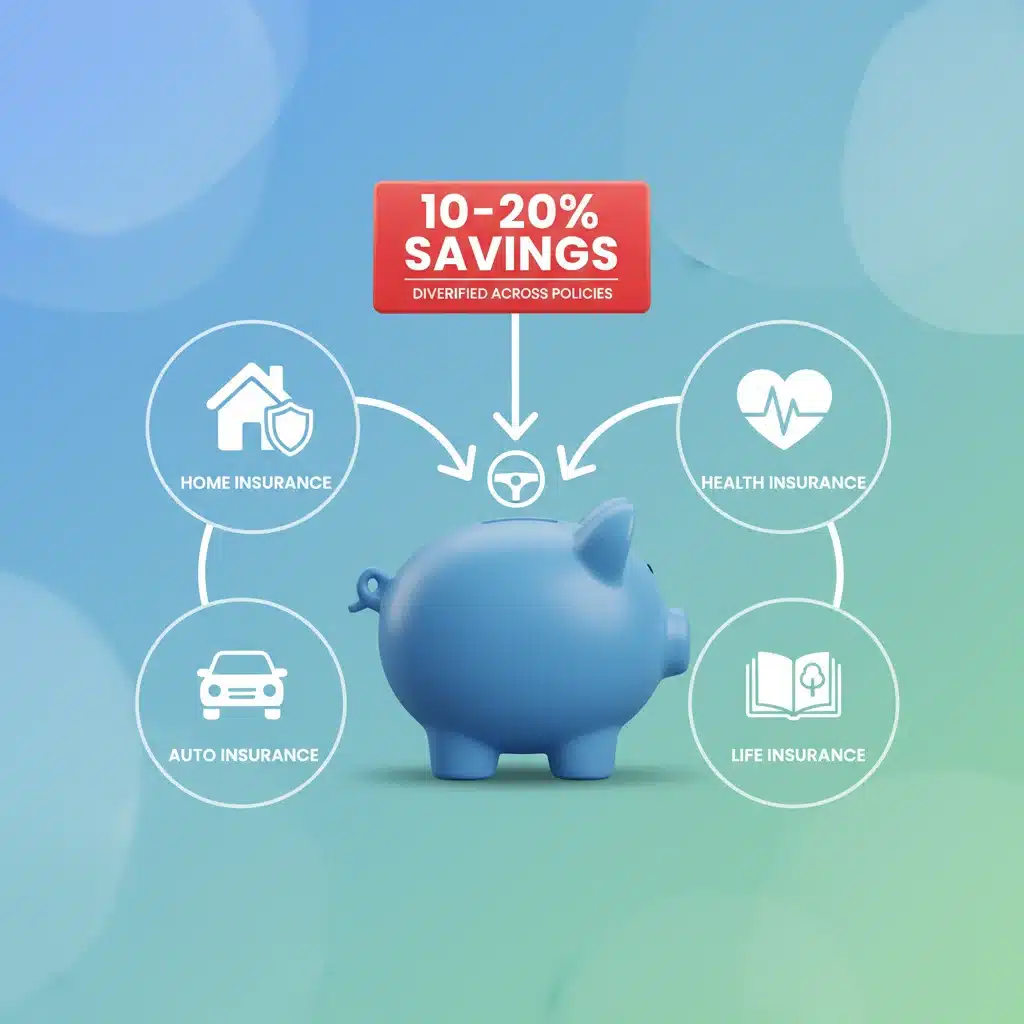
When comparing, ensure you’re comparing ‘apples to apples.’ That means matching coverage levels and deductibles as closely as possible. A lower premium might seem attractive, but not if it comes with significantly reduced coverage or higher deductibles that you can’t comfortably afford.
4. Review Your Deductibles and Coverage Limits
Your deductible is the amount you pay out-of-pocket before your insurance kicks in. A higher deductible typically means lower premiums. During your personal insurance checkup, assess your emergency fund. If you have a robust emergency fund, you might consider increasing your deductibles to save on premiums. However, ensure you can comfortably afford to pay that higher deductible if you need to file a claim.
Conversely, review your coverage limits. Are they sufficient? For auto insurance, state minimums are often inadequate. For home insurance, ensure your dwelling coverage reflects the actual replacement cost of your home, not just its market value. For liability coverage (auto, home, umbrella), consider increasing limits if your assets have grown, as this protection is often relatively inexpensive to boost.
5. Maximize Discounts
As mentioned earlier, discounts are a powerful tool for reducing premiums. During your personal insurance checkup, explicitly ask your current and prospective insurers about all available discounts. Common discounts include:
- Bundling: Combining multiple policies (e.g., auto and home) with the same insurer. This is one of the easiest ways to save significantly.
- Multi-Vehicle: Insuring multiple cars with the same company.
- Good Driver/Claims-Free: For drivers with a clean record.
- Good Student: For young drivers maintaining good grades.
- Anti-Theft Devices: For cars equipped with alarms or tracking systems.
- Home Security Systems: For homes with monitored alarm systems, smoke detectors, or smart home devices.
- Loyalty: For long-term customers (though often outweighed by shopping around).
- Payment Discounts: For paying premiums annually, setting up automatic payments, or going paperless.
- Non-Smoker: Particularly for life and health insurance.
- Occupation/Affiliation: Some insurers offer discounts to members of certain professional organizations or alumni associations.
Don’t assume your insurer automatically applies all eligible discounts. Be proactive and inquire!
6. Consider an Umbrella Policy
If you haven’t already, include an umbrella policy in your personal insurance checkup. An umbrella policy provides an extra layer of liability coverage above and beyond your auto and home insurance. In today’s litigious society, a serious accident or incident could result in a judgment that far exceeds your standard policy limits, putting your assets at risk. Umbrella policies are often surprisingly affordable for the immense protection they offer, typically starting at $1 million in coverage for a few hundred dollars a year.
7. Review Your Beneficiaries
While not directly related to saving on premiums, reviewing beneficiaries is a crucial part of a comprehensive personal insurance checkup. For life insurance policies, 401(k)s, and other accounts, ensure your designated beneficiaries are up-to-date. Life events like marriage, divorce, or the birth of children often necessitate changes to beneficiary designations. Failing to update them can lead to your assets being distributed contrary to your wishes.
8. Understand Policy Exclusions and Endorsements
Every insurance policy has exclusions – situations or perils that are NOT covered. It’s vital to understand these. For example, standard homeowners insurance typically excludes flood and earthquake damage, requiring separate policies. During your personal insurance checkup, review these exclusions carefully to ensure there are no critical gaps in your coverage that could leave you exposed.
Endorsements (also known as riders) are additions to your policy that modify coverage. These can be used to add coverage for specific items (like valuable jewelry) or to extend coverage in certain situations. Ensure any necessary endorsements are in place, and conversely, remove any that are no longer needed.

Reading the fine print can be tedious, but it’s essential for a truly effective personal insurance checkup. If you don’t understand something, don’t hesitate to ask your agent or insurer for clarification.
9. Work with an Independent Insurance Agent
While it’s possible to do all this legwork yourself, an independent insurance agent can be an invaluable resource for your personal insurance checkup. Unlike captive agents who work for a single company, independent agents work with multiple insurers. They can shop around on your behalf, compare different policies, and help you find the best coverage at the most competitive price, often saving you significant time and effort. They can also offer expert advice on complex coverage questions and help identify potential gaps you might miss.
10. Schedule Annual Reviews
Once you’ve completed your 2026 personal insurance checkup and optimized your policies, make it a habit. Set a reminder in your calendar for the same time next year. An annual review ensures your insurance portfolio remains aligned with your life and financial goals, continuously protecting you against unforeseen risks and helping you maintain those precious savings.
Specific Strategies for 10-20% Savings
Let’s break down some targeted strategies to achieve that 10-20% savings goal during your personal insurance checkup:
- Bundle Policies: As mentioned, this is often the biggest saver. If you have auto, home, and umbrella with separate companies, get quotes from one insurer for all three. You could see discounts of 15-25% on combined premiums.
- Increase Deductibles (Strategically): If you have $1,000 in your emergency fund, don’t raise your deductible to $2,500. But if you have $5,000+ saved, moving from a $500 to a $1,000 or even $1,500 deductible on your home or auto insurance can shave off 5-15% of your premium.
- Improve Credit Score: In many states, your credit score significantly impacts auto and home insurance rates. A higher score can lead to lower premiums. Work on improving your credit if it’s not optimal.
- Review Vehicle Usage: If you’re driving less (e.g., due to remote work), inform your auto insurer. Many offer low-mileage discounts or usage-based insurance programs that track your driving habits.
- Home Improvements: New roofs, updated plumbing/electrical, or impact-resistant windows can qualify for discounts on homeowners insurance. Even smart home devices like water leak detectors or smart thermostats can lead to savings.
- Drop Unnecessary Coverage: For older cars, if the cost of collision and comprehensive coverage approaches the car’s actual cash value, it might be time to drop them. For life insurance, if your children are grown and financially independent, you might reduce coverage or switch to a different type of policy.
- Shop for Health Insurance Annually: The health insurance marketplace (and employer plans) changes yearly. Always review your options during open enrollment to ensure you have the most cost-effective plan for your health needs.
- Leverage Group Rates: Check if your employer, professional association, or alumni group offers discounted insurance rates.
Implementing even a few of these strategies during your personal insurance checkup can easily put you within the 10-20% savings range, without compromising the quality of your protection.
Common Pitfalls to Avoid During Your Check-Up
While striving for savings, it’s crucial to avoid common mistakes that could leave you underinsured or facing unexpected costs:
- Focusing Solely on Price: The cheapest policy isn’t always the best. Ensure the coverage limits, deductibles, and exclusions meet your needs. A low premium with inadequate coverage is a recipe for financial disaster.
- Underinsuring Your Home: Don’t insure your home for its market value. Insure it for its replacement cost, which is often higher. Construction costs, debris removal, and rebuilding expenses can quickly exceed market value.
- Ignoring Liability: This is where an umbrella policy comes in. Accidents happen, and lawsuits can be crippling. Don’t skimp on liability coverage.
- Forgetting About Riders/Endorsements: Valuable items like expensive jewelry, art, or specialized equipment often require separate endorsements to be fully covered.
- Not Updating Beneficiaries: This can lead to significant headaches and unintended outcomes for your loved ones.
- Delaying Your Review: Procrastination costs money. The sooner you conduct the personal insurance checkup, the sooner you can start saving.
Conclusion: Empower Your Financial Future with a Personal Insurance Check-Up
As we navigate towards 2026, taking control of your personal insurance portfolio is a powerful step towards financial empowerment. A meticulous personal insurance checkup allows you to do more than just save money; it ensures peace of mind, knowing that your assets, your family, and your future are adequately protected against life’s uncertainties. By dedicating the time to gather your documents, assess your needs, shop around, maximize discounts, and understand the fine print, you can confidently achieve a 10-20% reduction in your premiums without sacrificing the vital coverage you depend on.
Don’t let complacency cost you. Make your 2026 personal insurance checkup a priority. The savings you uncover and the security you gain will be well worth the effort. Start today, and build a more resilient and cost-effective financial future.