Teaching Kids Personal Finance 2026: Age-Appropriate Financial Literacy
In an increasingly complex financial world, equipping our children with robust financial literacy skills is no longer optional; it’s a necessity. As we move further into 2026, the landscape of money management, digital transactions, and global economics continues to evolve rapidly. The responsibility falls on parents and educators to provide children with the foundational knowledge and practical tools they need to navigate this future successfully. This comprehensive guide will explore age-appropriate strategies to teach kids personal finance, ensuring they develop a healthy relationship with money from an early age.
Anúncios
Why Financial Literacy for Kids is More Critical Than Ever in 2026
The year 2026 presents a unique set of challenges and opportunities in personal finance. Digital currencies are becoming more mainstream, online shopping is ubiquitous, and the concept of ‘cash’ is slowly fading for many. Children today are growing up in an environment where money is often an abstract concept, represented by numbers on a screen rather than tangible coins and bills. This abstraction makes teaching kids personal finance even more crucial. Without a solid understanding of how money works, its value, and how to manage it, children can easily fall prey to debt, poor spending habits, and financial stress later in life.
Moreover, the rise of influencer marketing and targeted advertising means children are exposed to consumerism at unprecedented levels. Learning to distinguish between needs and wants, understanding the power of saving, and grasping the basics of investing can empower them to make informed decisions and resist impulsive spending. Financial literacy is not just about managing money; it’s about fostering independence, responsibility, and resilience.
Anúncios
The Foundation: Early Childhood (Ages 3-6)
Teaching kids personal finance can start much earlier than many parents realize. Even preschoolers can grasp fundamental money concepts through play and simple, tangible experiences.
Introducing Basic Concepts: Coins and Value
- Coin Recognition: Start by introducing different coins and bills. Let them touch, feel, and play with real money. Explain that each coin has a different value. For example, ‘This is a penny, it’s worth one cent. This is a dime, it’s worth ten cents!’
- Counting Money: Practice counting coins. Start with pennies, then move to nickels and dimes. Use visual aids or coin sorting games to make it fun.
- The Idea of Exchange: Use play money during pretend play. Set up a ‘store’ where they can ‘buy’ toys or snacks. This helps them understand that money is exchanged for goods and services.
Simple Saving Habits
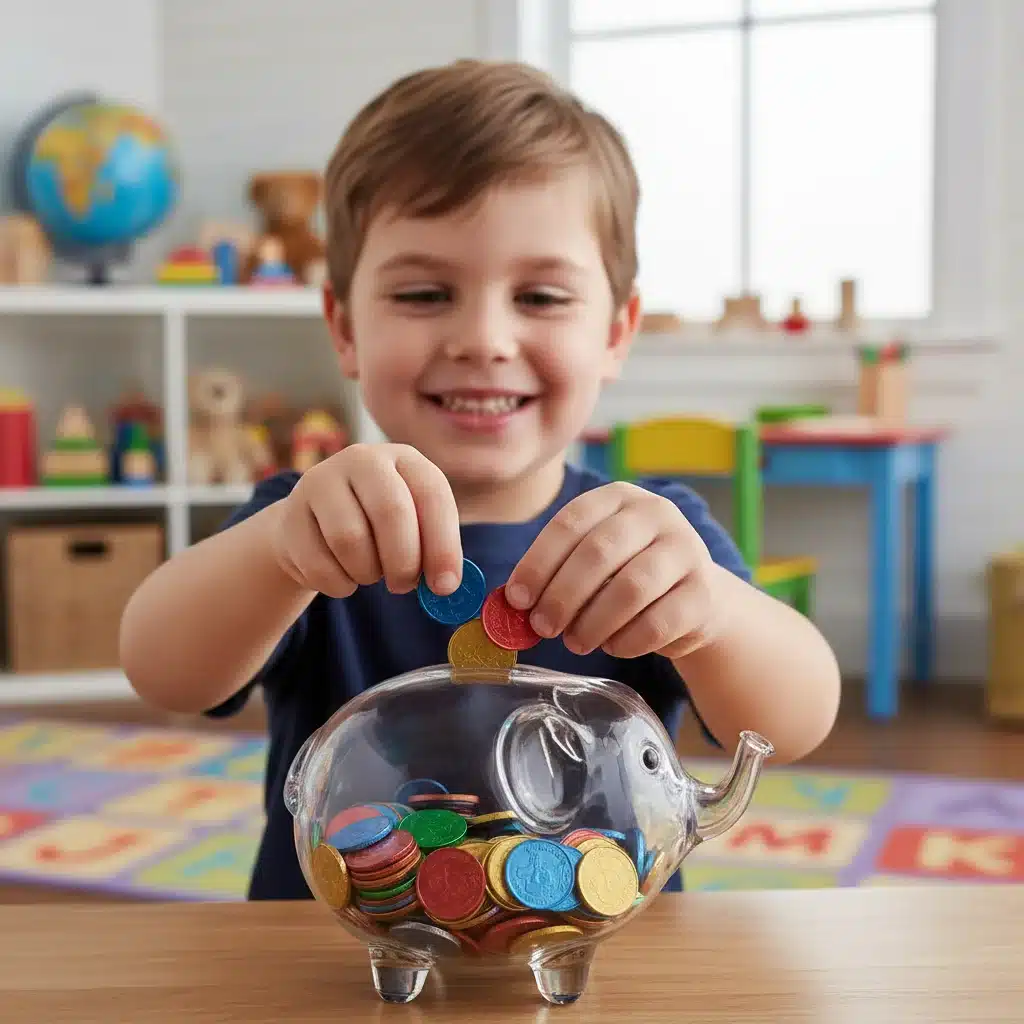
- The Piggy Bank: A classic for a reason! Give them a piggy bank and encourage them to put spare change into it. Explain that this money is for ‘saving.’
- Three Jars System: Introduce three clear jars labeled ‘Save,’ ‘Spend,’ and ‘Give.’ When they receive money (from chores, gifts, etc.), help them divide it into the jars. This visually reinforces the concept of allocating money for different purposes.
- Delayed Gratification: When they want a toy, encourage them to save for it. Explain that if they wait and save, they can get something bigger or better. This is a crucial early lesson in delayed gratification.
Building Blocks: Elementary School (Ages 7-12)
As children enter elementary school, their cognitive abilities expand, allowing for a deeper understanding of financial principles. This is a prime time to expand on the foundational concepts of kids personal finance.
Earning and Allowance
- Chores for Pay: Implement an allowance system linked to chores. This teaches them the connection between work and earning money. Be clear about which chores are expected as part of being a family member and which earn extra pay.
- Entrepreneurial Spirit: Encourage small entrepreneurial endeavors, like setting up a lemonade stand, selling old toys, or helping neighbors with simple tasks. This teaches initiative and the value of their time and effort.
Budgeting Basics and Spending Choices
- Making Choices: Give them a set amount of money for a specific outing (e.g., at a fair or a toy store) and let them make spending decisions. They’ll quickly learn that money is finite and choices must be made.
- Simple Budgeting: Introduce a basic budget. For example, if they have $10, help them decide how much to save, how much to spend immediately, and how much to give. Use a simple notebook or a kid-friendly app.
- Comparing Prices: When shopping, involve them in comparing prices for similar items. Explain why one item might be more expensive than another (e.g., quality, brand, features).
Understanding Saving and Goals
- Setting Savings Goals: Help them identify something they truly want (a new video game, a special toy) and create a plan to save for it. Break down the goal into smaller, achievable steps.
- The Power of Interest (Simplified): Introduce the concept of saving money in a bank (even if it’s just a metaphorical ‘bank of mom and dad’ with a ledger). Explain that banks pay you a little extra money for keeping your money with them – a very simplified introduction to interest.
Navigating the Teen Years: Middle and High School (Ages 13-18)
The teenage years are pivotal for developing sophisticated kids personal finance skills. They are on the cusp of financial independence and need to understand more complex topics like banking, credit, and investing.
Banking and Digital Money Management
- Opening a Bank Account: Help them open a savings and/or checking account. Teach them how to deposit and withdraw money, read statements, and use a debit card responsibly. Emphasize the importance of tracking transactions.
- Online Banking and Apps: Introduce them to online banking portals and personal finance apps. Show them how to monitor their balance, track spending, and set up automatic savings. Discuss the security aspects of online transactions.
- Digital Payments: Explain how digital payment systems (e.g., mobile wallets, peer-to-peer apps) work and the importance of using them securely and responsibly.
Advanced Budgeting and Responsible Spending
- Comprehensive Budgeting: Move beyond simple ‘spend, save, give’ to a more detailed budget that includes categories like entertainment, clothing, transportation, and savings goals. Use spreadsheets or more advanced budgeting apps.
- Understanding Needs vs. Wants Revisited: As their desires become more complex (e.g., latest smartphone, concert tickets), revisit the needs vs. wants discussion with a focus on prioritizing and making trade-offs within their budget.
- Consequences of Overspending: Allow them to experience the natural consequences of overspending (e.g., not having enough money for something they want later). This is a powerful learning tool.
Introduction to Credit and Debt
- What is Credit?: Explain what credit is, how it works, and its importance for future financial milestones (e.g., buying a car, a house).
- Responsible Credit Use: Discuss the dangers of credit card debt and the importance of paying bills on time. Consider a secured credit card or a joint credit card with strict limits to teach responsible usage.
- Student Loans: If they are considering higher education, start discussing the realities of student loans, interest rates, and repayment plans.
Investing Basics and Future Planning
- The Concept of Investing: Introduce the idea that money can grow over time through investments. Explain basic concepts like stocks, bonds, and mutual funds in simple terms.
- Compound Interest: This is a powerful concept to teach teens. Show them examples of how even small amounts saved and invested early can grow significantly over decades.
- Long-Term Goals: Encourage them to think about long-term financial goals, such as saving for college, a car, or even early retirement.

General Strategies for Teaching Kids Personal Finance
Beyond age-specific topics, several overarching strategies can enhance financial education at any stage:
Lead by Example
Children are keen observers. Your own financial habits and attitudes towards money will significantly influence theirs. Be open and honest about your financial decisions (within reason), discuss budgeting, and let them see you saving and spending responsibly. Avoid projecting your own financial anxieties onto them, but rather model calm and thoughtful financial management.
Make it Experiential and Practical
Learning by doing is incredibly effective. Instead of just talking about money, involve them in real-world financial activities:
- Grocery Shopping: Let them help create a shopping list and stick to a budget. Compare unit prices.
- Utility Bills: Show them utility bills and explain how much things like electricity and water cost, connecting it to their usage.
- Vacation Planning: Involve them in budgeting for a family vacation, researching costs for flights, accommodation, and activities.
Utilize Technology Wisely
In 2026, technology is an indispensable tool for financial management. Introduce age-appropriate apps and online resources:
- Educational Games: Many apps and websites offer engaging games that teach financial concepts.
- Budgeting Apps: For older children, explore user-friendly budgeting apps that can help them track their income and expenses.
- Parental Control Features: Utilize features in banking apps that allow parents to monitor their child’s spending and savings, offering guidance without being overly intrusive.
Open and Frequent Communication
Financial discussions shouldn’t be reserved for a single ‘money talk.’ Integrate financial topics into everyday conversations. Ask open-ended questions, listen to their concerns, and clarify any misconceptions they might have about money. Create a safe space for them to ask questions without judgment.
Embrace Mistakes as Learning Opportunities
Children (and adults!) will make financial mistakes. Perhaps they overspent their allowance, lost a small amount of money, or made an impulsive purchase they later regretted. Instead of scolding, use these moments as valuable teaching opportunities. Discuss what went wrong, what could have been done differently, and how to prevent similar mistakes in the future. These lessons, learned early, are often the most impactful.
Incorporate Financial Education into Schooling
While parental guidance is paramount, advocate for stronger financial literacy programs in schools. Supplement what they learn at home with classroom education. Look for online courses or local workshops that offer additional learning opportunities for kids personal finance.
Common Pitfalls to Avoid
While teaching kids personal finance, certain approaches can be counterproductive:
- Overcomplicating Things: Introduce concepts gradually and in an age-appropriate manner. Don’t overwhelm a young child with complex investment strategies.
- Using Money as a Weapon: Never use money or allowance as a primary tool for punishment or control. This can create negative associations with money.
- Shielding Them Completely: While protecting children is natural, completely shielding them from financial realities can leave them unprepared. Discuss family finances in an age-appropriate way.
- Expecting Perfection: Financial literacy is a journey, not a destination. Celebrate small victories and be patient with setbacks.
- Ignoring Digital Money: In 2026, failing to educate children about digital transactions, cybersecurity, and online spending is a significant oversight.
The Future of Financial Education: What to Expect in 2026 and Beyond
Looking ahead, financial education will likely become even more integrated with technology. We can expect:
- Gamified Learning: More sophisticated and immersive games and simulations that teach complex financial concepts in an engaging way.
- AI-Powered Tools: Personalized financial education tools that adapt to a child’s learning style and pace.
- Early Exposure to Investing: Platforms designed specifically for minors to learn about and even participate in fractional share investing with parental oversight.
- Emphasis on Cybersecurity: Greater focus on understanding digital security, protecting personal financial information, and recognizing online scams.
- Global Financial Awareness: Education on global economic trends, different currencies, and the impact of international events on personal finance.
Parents who proactively engage with these emerging tools and continue to educate themselves will be best positioned to guide their children through the financial landscape of the future.
Conclusion: Empowering the Next Generation of Financially Savvy Individuals
Teaching kids personal finance is one of the most valuable gifts you can give them. It’s an ongoing conversation and a continuous learning process that evolves with their age and the changing financial world. By starting early, being consistent, leading by example, and adapting your strategies to their developmental stage, you can empower your children to become financially responsible, confident, and successful adults in 2026 and for decades to come. The goal is not just to teach them how to manage money, but to instill a mindset of thoughtful decision-making, resilience, and a clear understanding of financial well-being as an integral part of a fulfilling life. Let’s commit to raising a generation that is not only financially literate but financially empowered.