Mastering Student Loan Repayment: Strategies for 2026 and Beyond

Anúncios
Mastering Student Loan Repayment: Strategies for 2026 and Beyond
Student loans are a significant financial burden for millions, often dictating life choices and delaying major milestones. As we approach 2026, the landscape of student loan repayment continues to evolve, making it crucial for borrowers to stay informed and proactive. Whether you’re just starting your repayment journey or are looking for ways to optimize your existing plan, understanding the various strategies available can lead to substantial savings and reduced stress. This comprehensive guide will walk you through the most effective student loan repayment strategies for 2026, helping you lower your monthly payments and achieve financial freedom.
Anúncios
Understanding Your Student Loan Landscape in 2026
Before diving into specific strategies, it’s essential to have a clear picture of your current student loan situation. This involves knowing whether your loans are federal or private, understanding their interest rates, and being aware of your total outstanding balance. The year 2026 may bring new policy changes or economic shifts that could impact your repayment options, so staying updated through official government and financial aid websites is paramount. Many borrowers often overlook the fine print of their loan agreements, but a thorough review can uncover opportunities you might not have considered.
Federal student loans typically offer more flexible repayment plans and borrower protections compared to private loans. These include income-driven repayment (IDR) plans, deferment, and forbearance options. Private loans, on the other hand, are often less flexible but might offer competitive interest rates, especially for borrowers with excellent credit. Knowing the type of loans you have is the first critical step in formulating an effective student loan repayment plan.
Anúncios
Additionally, keep an eye on interest rate trends. While federal loan interest rates are fixed upon disbursement, private loan rates can be variable or fixed. Understanding how interest accrues on your loans can help you prioritize which loans to pay off first. High-interest loans, regardless of whether they are federal or private, should generally be targeted aggressively to minimize the total amount paid over the life of the loan. This foundational knowledge will empower you to make informed decisions about your student loan repayment journey.
Federal Student Loan Repayment Options for 2026
For federal student loan borrowers, several repayment plans are designed to accommodate different financial situations. These plans are often the first line of defense for those struggling with high monthly payments.
Income-Driven Repayment (IDR) Plans
IDR plans are a cornerstone of federal student loan repayment. They cap your monthly payments at a percentage of your discretionary income, typically between 10% and 20%. After a certain number of years (usually 20 or 25, depending on the plan and whether you have graduate loans), any remaining balance is forgiven. The most common IDR plans include:
- SAVE Plan (Saving on a Valuable Education): This new plan, which fully replaced the REPAYE plan, offers the most generous terms for many borrowers, especially those with undergraduate loans. It calculates payments based on a lower percentage of discretionary income and offers interest subsidies. The SAVE plan is designed to reduce monthly payments for many borrowers to $0 and prevent interest capitalization in most cases.
- Pay As You Earn (PAYE): Payments are generally 10% of your discretionary income, capped at the 10-year Standard Repayment Plan amount. Remaining balance forgiven after 20 years.
- Income-Based Repayment (IBR): Payments are 10% or 15% of your discretionary income, depending on when you took out your loans, also capped at the 10-year Standard Repayment Plan amount. Remaining balance forgiven after 20 or 25 years.
- Income-Contingent Repayment (ICR): Payments are the lesser of 20% of your discretionary income or what you would pay on a plan with a fixed payment over 12 years, adjusted according to your income. Remaining balance forgiven after 25 years.
Choosing the right IDR plan can significantly lower your monthly student loan payments, making your debt more manageable. It’s crucial to re-certify your income and family size annually to ensure your payments remain accurate and affordable. Failure to do so can result in higher payments and capitalized interest.
Standard and Extended Repayment Plans
While less flexible than IDR plans, the Standard and Extended Repayment Plans are straightforward options:
- Standard Repayment Plan: Fixed payments over 10 years. This plan typically results in the lowest total interest paid but the highest monthly payments.
- Extended Repayment Plan: Fixed or graduated payments over up to 25 years. This plan is available to borrowers with more than $30,000 in direct or FFEL loans and results in lower monthly payments than the Standard Plan, but more interest paid over time.
These plans are suitable for borrowers who can comfortably afford the monthly payments and prefer a predictable repayment schedule. For many, however, IDR plans offer more relief when managing their student loan debt.
Graduated Repayment Plan
The Graduated Repayment Plan starts with lower payments that gradually increase every two years, usually over a 10-year period. This plan can be beneficial if you expect your income to rise steadily over time. However, it means you’ll pay more interest overall compared to the Standard Plan because less principal is paid off in the early years.
Refinancing and Consolidation: Powerful Tools for Student Loan Repayment
Beyond federal repayment plans, refinancing and consolidation offer powerful ways to streamline your debt and potentially reduce your interest rates. Understanding the difference between the two is key.
Federal Loan Consolidation
Federal Direct Consolidation Loans allow you to combine multiple federal student loans into a single new loan with a single monthly payment. The interest rate on a consolidation loan is a weighted average of your previous loans’ interest rates, rounded up to the nearest one-eighth of a percentage point. The primary benefits of federal consolidation include:
- Simplicity: One payment to one servicer.
- Access to IDR Plans: Consolidating certain older federal loans (like FFEL Program loans) might make them eligible for IDR plans or Public Service Loan Forgiveness (PSLF).
- Extended Repayment Term: You can extend your repayment period up to 30 years, lowering your monthly payment (though increasing total interest).
It’s important to note that federal consolidation does not typically lower your interest rate. If you have private student loans, they cannot be included in a federal consolidation loan. Additionally, consolidating federal loans can sometimes reset the clock on progress towards IDR forgiveness or PSLF, so careful consideration is needed.
Private Student Loan Refinancing
Refinancing involves taking out a new loan from a private lender to pay off one or more existing student loans (federal, private, or a mix of both). The goal is typically to secure a lower interest rate, a different loan term, or a lower monthly payment. Key aspects of refinancing include:
- Lower Interest Rates: If you have excellent credit, a stable income, or a co-signer, you might qualify for a significantly lower interest rate than your current loans.
- Simplified Payments: Like consolidation, refinancing can combine multiple loans into one, simplifying your monthly payments.
- Flexible Terms: You can choose a shorter term to pay off your loans faster (and pay less interest overall) or a longer term to reduce your monthly payments.
However, refinancing federal loans into a private loan means giving up valuable federal benefits, such as access to IDR plans, deferment, forbearance options, and potential loan forgiveness programs like PSLF. This is a significant trade-off that requires careful evaluation. For those with high-interest private loans, or federal loans where the borrower is confident they won’t need federal protections, refinancing can be a powerful student loan management tool.

Aggressive Repayment Strategies to Save Money
For borrowers who can afford to pay more than the minimum, several aggressive strategies can significantly reduce the total interest paid and shorten the repayment period.
The Avalanche Method
The debt avalanche method involves making minimum payments on all your loans except for the one with the highest interest rate. You direct any extra money you have towards paying down that highest-interest loan first. Once that loan is paid off, you take the money you were paying on it (minimum payment + extra) and apply it to the next highest-interest loan. This method saves you the most money on interest over time.
The Snowball Method
In contrast, the debt snowball method focuses on psychological wins. You make minimum payments on all loans except for the one with the smallest balance. You pay off the smallest loan first, then roll that payment into the next smallest loan. While it might not save as much interest as the avalanche method, the quick wins can provide motivation to continue your student loan debt payoff journey.
Making Extra Payments
Even small, consistent extra payments can make a big difference. Consider doing the following:
- Bi-weekly payments: Instead of making one payment per month, divide your monthly payment in half and pay it every two weeks. This results in 26 half-payments, which equals 13 full monthly payments per year instead of 12.
- Round up payments: If your payment is $285, consider paying $300. That extra $15 goes directly to the principal.
- Windfalls: Use bonuses, tax refunds, or unexpected income to make lump-sum payments on your principal.
Ensure that any extra payments you make are applied directly to the principal balance of your loan, rather than just pre-paying interest. You may need to specify this with your loan servicer.
Exploring Loan Forgiveness Programs in 2026
Loan forgiveness programs can eliminate some or all of your federal student loan debt under specific circumstances. These programs are not available for private loans.
Public Service Loan Forgiveness (PSLF)
PSLF forgives the remaining balance on your Direct Loans after you’ve made 120 qualifying monthly payments while working full-time for a qualifying employer. Qualifying employers include government organizations (federal, state, local, or tribal), and not-for-profit organizations that are tax-exempt under Section 501(c)(3) of the Internal Revenue Code. The payments must be made under a qualifying repayment plan, typically an IDR plan.
The PSLF program has specific requirements, and it’s essential to ensure you meet all criteria from the start of your employment. Using the PSLF Help Tool on the Federal Student Aid website can help you track your progress and confirm your eligibility.
Teacher Loan Forgiveness
This program offers forgiveness of up to $17,500 for certain federal student loans for teachers who work for five consecutive complete school years in a low-income elementary or secondary school or educational service agency. Specific eligibility requirements apply, including the type of loans and subjects taught.
Other Forgiveness Programs
Several other federal loan forgiveness or discharge programs exist for specific professions (e.g., nurses, doctors in underserved areas) or circumstances (e.g., total and permanent disability, school closure, borrower defense to repayment). It’s worth researching if your profession or situation qualifies for any of these specialized programs. Each program has its own set of rules and application processes, so thorough investigation is necessary to determine eligibility for student loan forgiveness.
Navigating Deferment and Forbearance
If you’re facing a temporary financial hardship, deferment and forbearance can provide a temporary pause or reduction in your student loan payments. While these options offer relief, they should be used cautiously as interest may still accrue.
Deferment
Deferment allows you to postpone your loan payments. For federal subsidized loans, the government pays the interest during deferment. For unsubsidized loans, interest accrues and is typically capitalized (added to your principal balance) at the end of the deferment period. Common reasons for deferment include:
- Enrollment in school at least half-time.
- Unemployment or economic hardship.
- Military service.
Forbearance
Forbearance also allows you to temporarily stop or reduce your payments, but interest accrues on all loan types (subsidized and unsubsidized) during this period. Forbearance is typically granted for up to 12 months at a time, for reasons such as:
- Financial hardship.
- Medical expenses.
- Changes in employment.
Both deferment and forbearance can be helpful in a crisis, but they are not long-term solutions for student loan struggles. If you anticipate a prolonged period of low income, an IDR plan is usually a better option as it can lead to forgiveness and prevent interest capitalization on subsidized loans.
Budgeting and Financial Planning for Optimal Student Loan Repayment
Regardless of the repayment strategy you choose, effective budgeting and financial planning are crucial for success. A well-structured budget helps you identify areas where you can save money and direct those savings towards your student loans.
Create a Detailed Budget
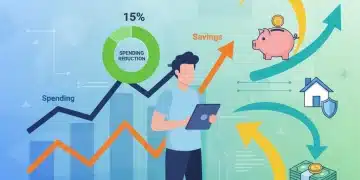
Track all your income and expenses for at least a month to understand where your money is going. Categorize your spending (housing, food, transportation, entertainment, student loan payments, etc.) and look for opportunities to cut back. Even small reductions in discretionary spending can free up funds for extra loan payments.
Build an Emergency Fund
Having an emergency fund is vital. It provides a safety net for unexpected expenses (car repairs, medical emergencies, job loss) that could otherwise derail your student loan repayment plan. Aim for at least three to six months’ worth of essential living expenses saved in an easily accessible account.
Automate Payments
Setting up automatic payments ensures you never miss a due date, which can save you from late fees and negative impacts on your credit score. Many loan servicers also offer a small interest rate reduction (e.g., 0.25%) for enrolling in auto-pay, providing an additional incentive for consistent student loan auto-pay.

Credit Score Impact and Student Loans
Your student loans significantly impact your credit score, both positively and negatively. Responsible repayment can build a strong credit history, while missed payments can severely damage it. A good credit score is essential for future financial endeavors, such as buying a home or car, or securing other loans at favorable interest rates.
- Payment History: This is the most crucial factor. Always pay on time.
- Credit Utilization: While student loans are installment loans and don’t factor into credit utilization in the same way as credit cards, managing your overall debt load responsibly is important.
- Length of Credit History: Student loans can contribute to a longer credit history, which is generally positive.
- Types of Credit: Having a mix of credit (installment loans like student loans and revolving credit like credit cards) can be beneficial.
Monitoring your credit report regularly for errors and understanding how your loans affect your score is a key part of holistic financial management. A strong credit score can open doors to better financial opportunities, making your overall student loan journey smoother.
The Future of Student Loan Repayment: What to Expect in 2026 and Beyond
The student loan landscape is constantly evolving. Policy changes, economic conditions, and new initiatives can all impact repayment strategies. Keeping an eye on these developments is crucial for optimizing your student loan strategy.
- Potential Policy Changes: Government administrations may introduce new legislation or modify existing programs. Stay informed through official government sources like StudentAid.gov.
- Economic Factors: Interest rates, inflation, and job market stability can all influence your ability to make payments and the attractiveness of refinancing options.
- Technological Advancements: New financial tools and apps can help you manage your loans more effectively, track payments, and explore repayment options.
Proactive engagement with your loan servicer and financial advisors can help you adapt to any changes. Don’t hesitate to ask questions and explore all available options to ensure your student loan success.
Conclusion: Taking Control of Your Student Loan Repayment
Managing student loan debt can feel overwhelming, but with the right strategies and a proactive approach, it is entirely possible to take control of your financial future. As you navigate student loan repayment in 2026, remember to:
- Understand Your Loans: Know the type, interest rates, and balances of all your loans.
- Explore Federal Options: Investigate Income-Driven Repayment plans, especially the SAVE plan, and potential forgiveness programs like PSLF.
- Consider Refinancing or Consolidation: Evaluate if these tools can lower your interest rates or simplify your payments, weighing the pros and cons carefully.
- Implement Aggressive Payoff Methods: If feasible, use the avalanche or snowball method, or make extra payments to reduce total interest.
- Budget and Plan: Create a detailed budget, build an emergency fund, and automate payments.
- Stay Informed: Keep abreast of policy changes and economic trends that could affect your loans.
By diligently applying these effective student loan repayment strategies, you can significantly reduce your monthly payments, save money on interest, and work towards a debt-free future. Your financial well-being is within your control, and by taking these steps, you’re investing in a more secure tomorrow.