FICO Score 2026 Guide: Boost Your Credit 50+ Points in 3 Months
Anúncios
The 2026 Guide to Understanding Your FICO Score: What Changed and How to Boost Yours by 50+ Points in 3 Months (RECENT UPDATES, PRACTICAL SOLUTIONS)
In the ever-evolving landscape of personal finance, your FICO Score remains a cornerstone of your financial health. As we navigate through 2026, understanding the latest nuances, changes, and strategic approaches to optimizing this crucial three-digit number is more important than ever. Whether you’re looking to secure a mortgage, finance a car, or simply improve your financial standing, a robust FICO Score is your golden ticket. This comprehensive guide will not only demystify the FICO Score in 2026 but also equip you with actionable strategies to potentially boost your score by 50 or more points in as little as three months.
Anúncios
The financial world is dynamic, and credit scoring models are no exception. While the core principles of FICO scoring have endured, subtle yet significant adjustments are periodically made to ensure these models accurately reflect consumer behavior and economic realities. Ignoring these updates can leave you at a disadvantage. Our goal is to provide you with the most current insights and practical solutions, ensuring you are well-prepared to manage and improve your FICO Score effectively.
What Exactly is Your FICO Score and Why Does it Matter in 2026?
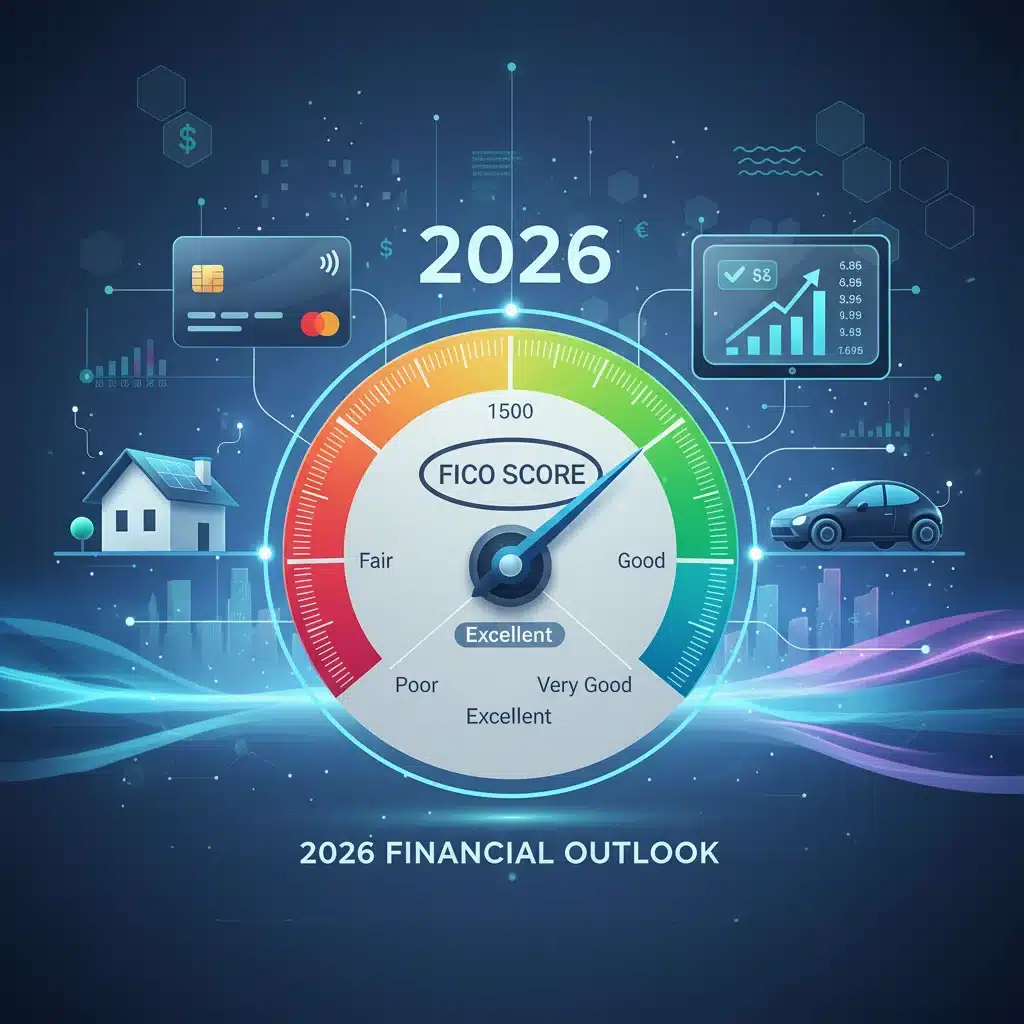
Your FICO Score is a three-digit number, ranging from 300 to 850, that lenders use to assess your creditworthiness. It’s essentially a snapshot of your financial responsibility, derived from the information in your credit reports. A higher score indicates lower risk to lenders, often translating into better interest rates, more favorable loan terms, and easier access to credit. In 2026, the importance of a good FICO Score has not diminished; if anything, it has become even more critical in a competitive lending environment.
Anúncios
Beyond traditional loans, your FICO Score can influence other aspects of your life. Landlords often check credit scores before approving rental applications. Insurance companies may use credit-based insurance scores (which are related to your FICO Score) to determine your premiums. Even some employers might review your credit report for certain positions, especially those involving financial responsibilities. Therefore, understanding and actively managing your FICO Score is a fundamental aspect of modern financial literacy.
The FICO Score is not static; it changes based on your financial actions. This means you have a significant degree of control over it. By understanding the factors that influence your FICO Score, you can strategically improve it. This guide will delve into these factors, providing you with the knowledge to make informed decisions and achieve your financial goals.
Recent Updates and Changes to the FICO Score Model for 2026
While FICO doesn’t typically announce annual model changes with great fanfare, credit scoring models are periodically refined. The most recent significant updates, such as FICO Score 10 and FICO Score 10 T (T for Trended data), are gradually being adopted by lenders. These newer models place a greater emphasis on ‘trended data,’ which looks at your credit behavior over a longer period, rather than just a snapshot. This means consistently making on-time payments and reducing your balances over time can have an even more positive impact.
Here’s a breakdown of what these updates mean for your FICO Score in 2026:
- Trended Data Emphasis: Older FICO models primarily focused on your current balances and credit limits. FICO Score 10 T, for example, analyzes your payment history and balance trends over the past 24 months or more. Are you consistently paying down debt, or are your balances creeping up? This trended behavior is now a more significant factor. This means that a one-off high balance might not be as detrimental if your overall trend shows responsible debt reduction.
- Personal Loan Impact: The treatment of personal loans, especially those used for debt consolidation, has also seen refinements. While consolidating high-interest credit card debt into a personal loan can be a smart financial move, how it affects your FICO Score depends on your subsequent behavior. Consistently paying off the personal loan responsibly will be viewed favorably.
- Public Records and Collections: The impact of certain public records (like civil judgments and tax liens) and paid collection accounts on your FICO Score has been reduced or even removed in some newer models. However, unpaid collection accounts and bankruptcies still carry significant weight. Always aim to resolve collection accounts, as even if they’re paid, their initial presence on your report can still have some lingering effect, albeit less severe than before.
- Data from Alternative Sources: While not yet fully integrated into the primary FICO Score models, there’s an ongoing industry trend towards incorporating alternative data sources (like rent payments, utility bills, and even banking activity) for consumers with thin credit files. While this isn’t a direct change to the classic FICO Score, it’s an important development that could impact how some individuals are assessed for credit. Stay informed about initiatives like FICO XD if you have limited traditional credit history.
These changes underscore the importance of consistent, responsible financial habits. A single good action might not dramatically shift your FICO Score, but a pattern of positive behavior over time will be increasingly rewarded.
The Five Pillars of Your FICO Score: A 2026 Perspective
To effectively boost your FICO Score, you must understand its foundational components. These percentages are approximate, as the exact weighting can vary slightly between different FICO versions, but they provide an excellent guide for where to focus your efforts:
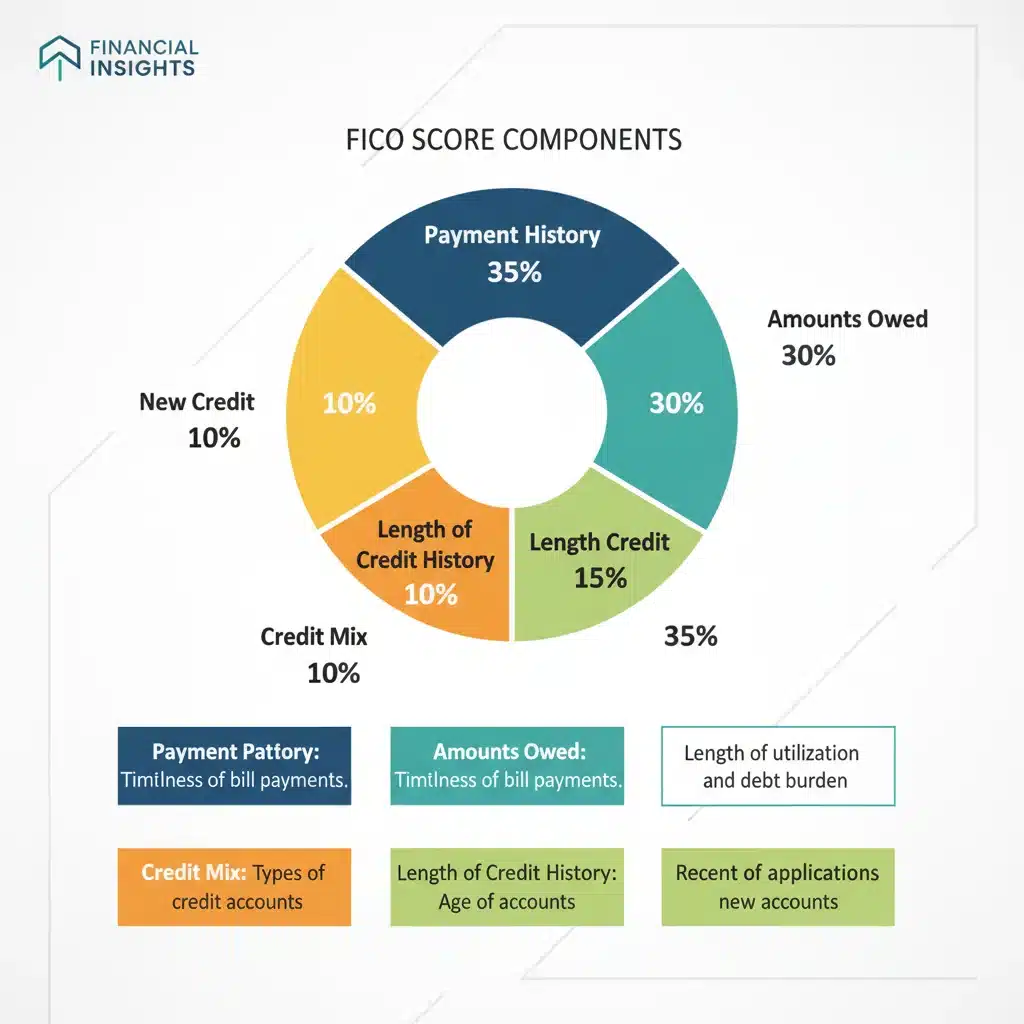
1. Payment History (Approximately 35% of your FICO Score)
This is, and always has been, the single most critical factor. Lenders want to know if you pay your bills on time. A single late payment (30 days or more past due) can severely damage your FICO Score. In 2026, with trended data gaining prominence, consistent on-time payments are even more crucial for demonstrating long-term reliability.
- Practical Solution: Set up automatic payments for all your bills. Use calendar reminders for manual payments. If you anticipate difficulty making a payment, contact your creditor immediately to discuss options. A proactive approach is always better than a reactive one after a late payment has been reported.
2. Amounts Owed / Credit Utilization (Approximately 30% of your FICO Score)
This factor looks at how much credit you’re using compared to your total available credit. It’s often expressed as a credit utilization ratio. For example, if you have a credit card with a $10,000 limit and you owe $3,000, your utilization is 30%. Lower utilization is generally better. Experts often recommend keeping your overall utilization below 30%, but truly high achievers aim for below 10% for the best FICO Score impact.
- Practical Solution: Pay down credit card balances as much as possible. If you can, pay them off in full each month. If not, make multiple payments throughout the month to keep your reported balance low. Request credit limit increases if you’re a responsible borrower (this increases available credit without increasing debt, lowering your ratio).
3. Length of Credit History (Approximately 15% of your FICO Score)
This factor considers how long your credit accounts have been open, the average age of your accounts, and how long it’s been since you used certain accounts. A longer credit history generally signals more experience managing debt. This is one area where patience is key, as it builds naturally over time.
- Practical Solution: Don’t close old credit accounts, especially those with no annual fees, even if you don’t use them frequently. An old, unused account with a perfect payment history can significantly boost your average account age. Use older cards occasionally to keep them active.
4. New Credit (Approximately 10% of your FICO Score)
This component looks at how many new credit accounts you’ve recently opened and the number of hard inquiries on your credit report. Opening too many new accounts in a short period can signal higher risk to lenders, as it might suggest you’re desperately seeking credit. Each hard inquiry (when a lender checks your credit for a loan application) can temporarily ding your FICO Score by a few points.
- Practical Solution: Only apply for new credit when absolutely necessary. Space out applications if you need multiple lines of credit. Be wary of store credit card offers at checkout, as they often result in hard inquiries.
5. Credit Mix (Approximately 10% of your FICO Score)
This factor assesses the different types of credit you have, such as revolving credit (credit cards) and installment loans (mortgages, auto loans, student loans). A healthy mix demonstrates your ability to manage various forms of debt responsibly. However, it’s crucial not to open accounts solely for the sake of improving your credit mix; the debt incurred could outweigh the benefit.
- Practical Solution: Naturally diversify your credit as your financial needs evolve. If you only have credit cards, consider a small installment loan if you genuinely need one (e.g., a secured loan or a credit-builder loan) and are confident you can repay it.
Boosting Your FICO Score by 50+ Points in 3 Months: A Strategic Plan for 2026
Achieving a 50-point FICO Score increase in a relatively short period like three months is ambitious but entirely possible with focused effort. Here’s a step-by-step plan, incorporating the latest FICO insights:
Month 1: Foundation and Damage Control
1. Get Your Credit Reports (All Three): Start by obtaining your free credit reports from Equifax, Experian, and TransUnion via AnnualCreditReport.com. These are essential for identifying errors and understanding your current standing. Review them meticulously for any inaccuracies, such as accounts you didn’t open, incorrect payment statuses, or outdated information.
2. Dispute Errors Immediately: If you find errors, dispute them with the credit bureaus and the creditor directly. This can be a lengthy process, but removing negative, incorrect information can significantly impact your FICO Score. Keep detailed records of all correspondence.
3. Prioritize Past-Due Accounts: If you have any accounts that are 30, 60, or 90+ days past due, your absolute first priority is to bring them current. Even one late payment can drop your FICO Score by dozens of points. Contact creditors to arrange payment plans if necessary. Try to negotiate a ‘pay for delete’ if you have old collection accounts, though this is not always successful.
4. Reduce Credit Card Balances (Aggressively): Focus on paying down your highest-interest credit card debts first, or those closest to their credit limit. Aim to get all credit utilization below 30%, ideally even lower. If you have multiple cards, pay down the one with the highest utilization ratio first to see the quickest FICO Score impact.
5. Set Up Payment Reminders/Automation: Implement systems to ensure you never miss another payment. Autopay, calendar alerts, or even simple sticky notes can make a huge difference in your payment history, which is the largest component of your FICO Score.
Month 2: Optimization and Strategic Moves
1. Continue Aggressive Debt Reduction: Keep paying down credit card balances. The lower your credit utilization, the better. If possible, aim for 10% or less utilization on individual cards and overall. Consider making multiple payments per month to keep your reported balance low. Creditors typically report your balance once a month, often on your statement closing date. Paying it down before that date can show a lower balance to the credit bureaus.
2. Consider a Secured Credit Card or Credit-Builder Loan (If Applicable): If you have a very limited credit history or are rebuilding from significant damage, a secured credit card or a credit-builder loan can be excellent tools. A secured card requires a deposit, which becomes your credit limit, while a credit-builder loan involves saving money in an account while making payments. Both report to credit bureaus, helping to establish or re-establish positive payment history and credit mix.
3. Become an Authorized User (Carefully): If a trusted family member (with excellent credit habits) is willing to add you as an authorized user on one of their long-standing, low-utilization credit cards, this can provide a quick boost to your FICO Score. Their positive payment history and credit limit can appear on your report. However, ensure they maintain good credit habits, as their missteps could also affect you.
4. Avoid New Credit Applications: Refrain from opening any new credit accounts or applying for loans unless absolutely necessary. Each hard inquiry can temporarily lower your FICO Score, and new accounts reduce your average account age. Focus on managing your existing credit responsibly.
5. Monitor Your Credit: Sign up for a free credit monitoring service (many banks and credit card companies offer this). This allows you to track changes to your FICO Score and alerts you to any suspicious activity, helping you stay on top of your financial health.
Month 3: Sustaining Momentum and Long-Term Planning
1. Maintain Low Credit Utilization: This is a continuous effort. Keep balances low, ideally paying them off in full each month. If you must carry a balance, ensure it’s well below the 30% threshold.
2. Consistent On-Time Payments: By now, your automated payments should be well-established. Continue this habit without fail. Every on-time payment reinforces a positive payment history, which is the most significant factor for your FICO Score.
3. Review Your Credit Reports Again: After three months of focused effort, pull your credit reports again to see the impact of your actions. Check for any remaining errors and confirm that your positive actions are being reported correctly. You should start seeing your FICO Score reflect your hard work.
4. Consider a Credit Limit Increase (Strategically): If you have a good payment history with a particular credit card and have kept your utilization low, you might consider requesting a credit limit increase. This can lower your utilization ratio if your spending habits remain the same. Be cautious, as some limit increase requests may result in a hard inquiry. Only do this if you are confident you will not increase your spending just because you have more available credit.
Common FICO Score Myths Debunked in 2026
Misinformation about credit scores is rampant. Let’s clear up some common myths that can hinder your progress:
- Myth: Closing old credit cards helps your FICO Score.
Reality: False. Closing old accounts reduces your total available credit and shortens your average credit history, which can negatively impact your FICO Score. Keep old, unused accounts open, especially if they have no annual fees. - Myth: Checking your own credit report lowers your FICO Score.
Reality: False. Checking your own credit is a ‘soft inquiry’ and does not affect your FICO Score. Only ‘hard inquiries’ (when a lender pulls your credit for an application) can temporarily lower it. - Myth: Carrying a small balance on your credit card helps your FICO Score.
Reality: False. While a zero balance might not always yield the absolute highest FICO Score (due to some models wanting to see *some* activity), carrying a balance simply to boost your score is not recommended. Paying off your card in full each month is the optimal strategy for avoiding interest and demonstrating responsible credit management. A low utilization (e.g., 1-9%) is often seen as ideal, but paying in full is financially smarter. - Myth: Your income directly affects your FICO Score.
Reality: False. Your income is not a factor in FICO Score calculations. While lenders consider income when approving loans, it doesn’t directly impact the score itself. - Myth: All debt is bad for your FICO Score.
Reality: False. A healthy mix of different types of credit (credit cards, installment loans) managed responsibly can actually be beneficial. It shows you can handle various forms of debt. The key is responsible management, not avoidance.
Advanced Strategies and Considerations for Your FICO Score in 2026
Once you’ve mastered the basics, consider these advanced tips for further FICO Score optimization:
- Experian Boost, UltraFICO, and FICO XD: These are alternative scoring methods designed to help consumers with thin credit files or those who don’t use traditional credit much. Experian Boost allows you to add utility and telecom payments to your Experian credit file. UltraFICO uses banking transaction data. FICO XD incorporates non-traditional data like rent payments. While not always used by all lenders, they can be beneficial for specific situations. Research if these options are suitable for your profile.
- Pay Down Installment Loan Balances: While credit utilization is primarily associated with revolving credit, paying down installment loans (like mortgages or auto loans) can also positively impact your FICO Score, especially as you near the end of the loan term. The FICO Score models generally prefer to see less debt overall.
- Debt Management Plans (DMPs) vs. Debt Settlement: If you’re struggling with significant debt, be cautious about solutions. Debt Management Plans (DMPs) facilitated by non-profit credit counseling agencies can help you repay debt while potentially minimizing negative FICO Score impact. Debt settlement, however, often involves defaulting on payments and can severely damage your FICO Score. Understand the differences and choose wisely.
- The ‘Just Right’ Number of Accounts: There’s no magic number, but having a few active, well-managed credit accounts (e.g., 2-3 credit cards and an installment loan) is generally better than having only one or too many. It demonstrates your ability to manage multiple credit lines.
Understanding Different FICO Score Versions
It’s important to note that there isn’t just one FICO Score. FICO has developed numerous scoring models over the years (e.g., FICO Score 8, FICO Score 9, FICO Score 10, FICO Auto Score, FICO Bankcard Score). Lenders use different versions depending on the type of loan and their industry. While the core principles remain consistent, the exact weightings can vary. The strategies outlined in this guide are universal and will positively impact all versions of your FICO Score. Don’t get too bogged down by the specific version; focus on overall credit health.
The Long Game: Sustaining Your FICO Score Success Beyond 3 Months
While a 50+ point increase in three months is a fantastic achievement, maintaining and further improving your FICO Score is a marathon, not a sprint. The habits you build during this intensive period should become your standard financial practice. Continuously monitor your credit reports, keep your credit utilization low, and always pay your bills on time. Over time, your FICO Score will reflect your consistent dedication to financial responsibility, opening doors to better financial opportunities and greater peace of mind.
Remember, your FICO Score is a reflection of your financial behavior. By understanding its components and consistently applying sound financial practices, you are not just improving a number; you are building a stronger, more secure financial future for yourself in 2026 and beyond.
Conclusion: Take Control of Your FICO Score Today
The 2026 financial landscape rewards those who understand and proactively manage their FICO Score. With recent updates emphasizing trended data and consistent payment behavior, the time to act is now. By diligently following the three-month plan outlined above – focusing on payment history, credit utilization, and error correction – you can realistically expect to see a significant improvement in your FICO Score. Don’t let a low FICO Score hold you back; empower yourself with knowledge and take the practical steps needed to achieve a healthier financial life. Your future self will thank you.