Estate Planning in 2026: Protecting Your Assets with Financial Literacy

Anúncios
In an ever-evolving financial landscape, the importance of robust Estate Planning 2026 cannot be overstated. As we look towards the middle of the decade, economic shifts, technological advancements, and potential legislative changes demand a proactive and informed approach to securing your legacy. This comprehensive guide will delve into the critical aspects of estate planning for 2026, emphasizing how financial literacy is the cornerstone of effective asset protection and wealth transfer. Understanding the nuances of wills, trusts, taxation, and digital assets is no longer just for the wealthy; it’s a necessity for anyone looking to ensure their loved ones are provided for and their wishes are honored.
Many view estate planning as a daunting task, something only to be considered later in life. However, this perspective is fundamentally flawed. Estate Planning 2026 is about taking control of your financial future and protecting your assets from unforeseen circumstances, market volatility, and potential legal challenges. It’s about making informed decisions today that will safeguard your family’s tomorrow. Without a solid plan, your estate could be subject to lengthy probate processes, significant taxes, and potential disputes among beneficiaries, undermining the very wealth you worked so hard to build.
Anúncios
This article aims to demystify the complexities of estate planning, providing actionable insights and highlighting the pivotal role of financial literacy. We will explore the essential components of an estate plan, discuss emerging trends and challenges for 2026, and offer strategies to optimize your plan for maximum efficiency and peace of mind. Whether you’re just starting your financial journey or looking to refine an existing plan, this guide will equip you with the knowledge needed to navigate the intricate world of estate planning effectively.
The Foundation of Estate Planning 2026: Financial Literacy
At the heart of successful Estate Planning 2026 lies a strong foundation of financial literacy. This isn’t just about understanding investments or balancing a budget; it’s about comprehending how various financial instruments, legal structures, and tax laws interact to affect your wealth. A financially literate individual can make informed decisions about their assets, liabilities, and future distributions, ensuring their estate plan is robust, flexible, and aligned with their long-term goals.
Anúncios
Why Financial Literacy is Non-Negotiable for Estate Planning
- Informed Decision-Making: Understanding financial concepts allows you to critically evaluate advice from professionals and make choices that truly reflect your values and objectives.
- Proactive Planning: Financial literacy enables you to anticipate potential challenges, such as changes in tax laws or economic downturns, and adjust your estate plan accordingly.
- Optimized Asset Protection: Knowledge of different asset classes and protective legal structures (like trusts) helps you shield your wealth from creditors, lawsuits, and unnecessary taxes.
- Effective Wealth Transfer: Understanding inheritance laws and tax implications ensures your assets are distributed efficiently and equitably to your chosen beneficiaries.
- Reduced Costs: A well-understood and well-executed plan can significantly reduce legal fees, probate costs, and estate taxes, preserving more wealth for your heirs.
For Estate Planning 2026, it’s crucial to stay updated on financial trends and regulations. The digital age brings new complexities, from cryptocurrencies to NFTs, all of which need to be considered within an estate plan. Financial literacy extends to understanding these modern assets and how they can be legally and efficiently passed on.
Key Components of a Robust Estate Plan for 2026
A comprehensive estate plan is more than just a will. It’s a collection of legal documents and strategies designed to manage your assets, protect your family, and express your wishes during your lifetime and after your passing. For Estate Planning 2026, these components are more critical than ever.
1. The Will: Your Core Directive
A Last Will and Testament remains the cornerstone of any estate plan. It dictates how your assets will be distributed, names guardians for minor children, and appoints an executor to manage your estate. Without a will, state laws will determine how your assets are divided, which may not align with your intentions. For 2026, consider:
- Digital Assets: Ensure your will addresses access and distribution of digital assets like online accounts, cryptocurrency, and intellectual property.
- Specific Bequests: Clearly outline who receives specific items, especially those with sentimental value, to avoid family disputes.
- Residuary Clause: A well-drafted residuary clause covers any assets not specifically mentioned, ensuring nothing is left unaccounted for.
2. Trusts: Versatile Tools for Asset Protection and Control
Trusts offer greater flexibility and control than wills, allowing you to manage assets for beneficiaries, avoid probate, and potentially reduce estate taxes. For Estate Planning 2026, various types of trusts can serve different purposes:
- Revocable Living Trusts: Allows you to maintain control over your assets during your lifetime, with provisions for management if you become incapacitated, and avoids probate upon your death.
- Irrevocable Trusts: Once established, you generally cannot change or revoke these trusts. They are excellent for reducing estate taxes, protecting assets from creditors, and providing for beneficiaries with special needs.
- Special Needs Trusts: Designed to provide for individuals with disabilities without jeopardizing their eligibility for government benefits.
- Charitable Trusts: Allows you to support philanthropic causes while potentially gaining tax benefits.
3. Powers of Attorney: Planning for Incapacity
These documents designate individuals to make decisions on your behalf if you become unable to do so yourself:
- Durable Power of Attorney for Finances: Grants someone the authority to manage your financial affairs.
- Durable Power of Attorney for Healthcare (Healthcare Proxy): Appoints someone to make medical decisions if you cannot.
4. Advance Directives (Living Will): Your Healthcare Wishes
A living will specifies your wishes regarding medical treatment, particularly end-of-life care. This ensures your preferences are respected and alleviates difficult decisions for your family.
5. Beneficiary Designations: Beyond the Will
Many assets, such as life insurance policies, retirement accounts (401(k)s, IRAs), and annuities, pass directly to named beneficiaries, bypassing probate. It is crucial to regularly review and update these designations, as they often supersede instructions in your will. This is a common oversight in Estate Planning 2026 that can lead to unintended consequences.

Navigating Tax Implications in Estate Planning 2026
Tax laws are constantly changing, and staying informed is vital for effective Estate Planning 2026. Estate taxes, inheritance taxes, and gift taxes can significantly erode the value of your estate if not properly addressed. A key aspect of financial literacy in estate planning is understanding these taxes and implementing strategies to minimize their impact.
Federal Estate Tax
The federal estate tax applies to the transfer of property at death. While there’s a substantial exemption amount (which is subject to change by 2026, so monitoring legislative developments is crucial), it’s important to understand how it might affect larger estates. Strategies to mitigate federal estate tax include:
- Utilizing Annual Gift Tax Exclusions: You can gift a certain amount to individuals each year without incurring gift tax or using up your lifetime exemption.
- Irrevocable Life Insurance Trusts (ILITs): These trusts can hold life insurance policies outside of your taxable estate, providing liquidity for estate taxes without increasing the taxable estate.
- Grantor Retained Annuity Trusts (GRATs): Allows you to transfer appreciating assets out of your estate while retaining an income stream for a period.
State Estate and Inheritance Taxes
Beyond federal taxes, many states levy their own estate or inheritance taxes. These can have different exemption levels and rates. It’s essential to understand the rules in your state of residence and any states where you own property. This geographic consideration is a vital part of Estate Planning 2026.
Income Tax Basis Step-Up
One significant advantage of inheriting assets is the “step-up in basis.” When you inherit an asset, its cost basis is typically adjusted to its market value on the date of the decedent’s death. This can significantly reduce capital gains taxes if the heir later sells the asset. Understanding this rule is crucial for advising beneficiaries and making strategic decisions about asset distribution.
Emerging Trends and Considerations for Estate Planning 2026
The world of finance and law is dynamic. Estate Planning 2026 must adapt to new realities. Here are some key trends to consider:
1. The Rise of Digital Assets
Cryptocurrencies, NFTs, online accounts, digital intellectual property, and even social media profiles now constitute a significant part of many individuals’ estates. Planning for these assets presents unique challenges:
- Access and Security: How will your executor gain access to digital wallets and accounts? Securely documenting passwords and access protocols (without compromising security) is paramount.
- Valuation: Valuing volatile assets like cryptocurrencies can be complex.
- Legal Framework: The legal landscape for digital assets is still evolving. Consulting with professionals experienced in this area is crucial.
2. Longevity and Long-Term Care Planning
As life expectancies increase, the need for long-term care planning becomes more pronounced. Integrating long-term care insurance or strategies to fund future care into your Estate Planning 2026 is essential to protect your assets from being depleted by medical expenses.
3. Blended Families and Complex Beneficiary Structures
Modern families are diverse. Estate plans must carefully consider the needs and relationships within blended families to ensure fairness and prevent disputes. Clearly defining beneficiaries, specifying distributions, and potentially using trusts can help navigate these complexities.
4. Cybersecurity and Data Privacy
Protecting your financial and personal data is a critical, yet often overlooked, aspect of estate planning. Ensuring your digital footprint is secure during your lifetime and that your executor knows how to manage it after your passing is vital. This includes secure password management and understanding data privacy laws.
5. Philanthropic Giving and Impact Investing
Many individuals wish to leave a philanthropic legacy. Estate Planning 2026 can incorporate charitable giving strategies, such as donor-advised funds, charitable trusts, or direct bequests, to achieve these goals while potentially offering tax advantages. Impact investing, aligning investments with social and environmental values, is also becoming more prevalent and can be integrated into a holistic financial and estate plan.
The Role of Professionals in Estate Planning 2026
While financial literacy empowers you to understand the landscape, assembling a team of qualified professionals is indispensable for effective Estate Planning 2026. These experts can provide tailored advice, ensure legal compliance, and optimize your plan for your unique circumstances.
1. Estate Planning Attorney
An attorney specializing in estate law is crucial for drafting legally sound documents (wills, trusts, powers of attorney) and ensuring they comply with state and federal laws. They can guide you through complex legal structures and advise on potential pitfalls.
2. Financial Advisor
A financial advisor helps you understand your assets, liabilities, and financial goals. They can assist with investment strategies that align with your estate plan, provide projections, and help integrate your estate plan with your overall financial picture. They are key in helping you apply your financial literacy practically.
3. Tax Advisor/CPA
A tax professional can offer invaluable advice on minimizing estate, inheritance, and income taxes. They stay updated on the latest tax laws and can identify strategies to preserve more of your wealth for your beneficiaries.
4. Insurance Professional
An insurance agent can help you assess your life insurance needs, which can be a vital component of estate liquidity, providing funds for taxes, debts, or support for dependents.
Regular communication and collaboration among these professionals are key to a cohesive and effective estate plan. Your financial literacy will enable you to effectively communicate your goals and understand the advice provided by your team.
Steps to Begin or Update Your Estate Plan for 2026
Starting or updating your estate plan might seem overwhelming, but breaking it down into manageable steps can make the process smoother. For Estate Planning 2026, a proactive approach is best.
1. Inventory Your Assets and Liabilities
Create a comprehensive list of everything you own (real estate, investments, bank accounts, personal property, digital assets) and everything you owe (mortgages, loans, credit card debt). This provides a clear picture of your estate.
2. Define Your Goals and Wishes
Consider who you want to inherit your assets, who will care for minor children, who will make financial and healthcare decisions if you can’t, and any charitable intentions you have.
3. Choose Your Key People
Identify individuals for critical roles: executor, trustee, guardians for minors, agents for powers of attorney. Discuss these roles with them to ensure they are willing and capable.
4. Gather Important Documents
Collect existing wills, trust documents, birth certificates, marriage certificates, property deeds, investment statements, and insurance policies. Organize them in a secure, accessible location.
5. Consult with Professionals
Engage with an estate planning attorney and other advisors. They will help you understand your options and draft the necessary legal documents.
6. Review and Update Regularly
Life changes – marriages, divorces, births, deaths, significant financial changes, and legislative updates – all necessitate reviewing and potentially updating your estate plan. Aim for a review every 3-5 years, or whenever a major life event occurs. This regular review is paramount for effective Estate Planning 2026 and beyond.
Conclusion: Empowering Your Future Through Estate Planning 2026
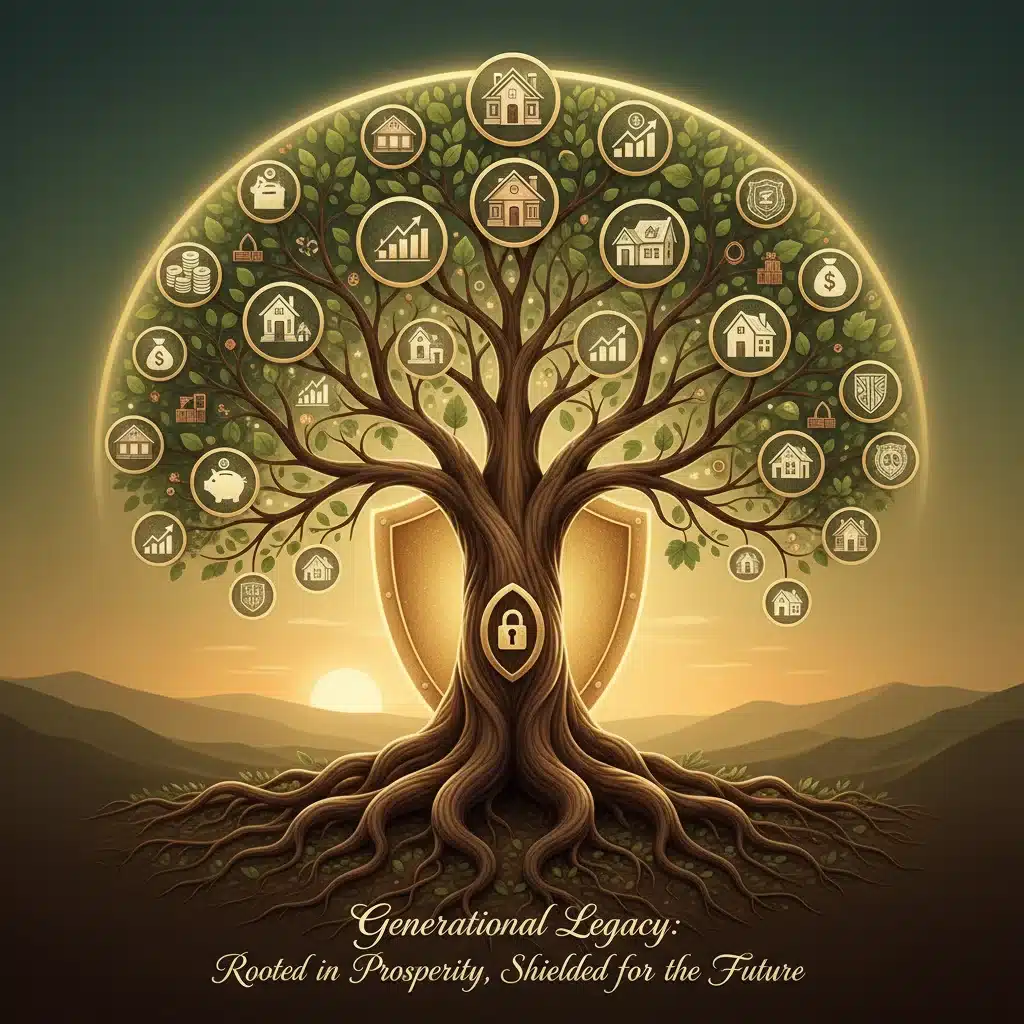
Estate Planning 2026 is not merely a legal formality; it is a profound act of foresight, responsibility, and care for your loved ones. In an increasingly complex world, the combination of robust financial literacy and a well-crafted estate plan provides unparalleled peace of mind. It ensures that your assets are protected, your wishes are honored, and your legacy is preserved for future generations.
By understanding the core components of an estate plan, staying informed about tax implications, adapting to emerging trends like digital assets, and collaborating with a trusted team of professionals, you can navigate the complexities with confidence. Don’t delay this crucial process. The time and effort invested in proactive estate planning today will yield invaluable security and clarity for tomorrow. Empower yourself with knowledge, take control of your financial destiny, and secure your legacy for 2026 and the many years to come.