2026 Bond Market Analysis: Yield Curve Inversion and Investor Impact
Anúncios
The financial world is perpetually in motion, driven by a complex interplay of economic forces, monetary policies, and investor sentiment. As we look towards 2026, one particular phenomenon is drawing significant attention from economists, analysts, and investors alike: the prospect of a 1.5% yield curve inversion in the bond market. This is not merely a technical detail for bond traders; it is a powerful signal with profound implications for the broader economy and individual investment strategies. Understanding what a yield curve inversion signifies, why a 1.5% inversion is particularly noteworthy, and how it might impact various asset classes is crucial for navigating the financial landscape of the coming years.
Historically, an inverted yield curve has been one of the most reliable predictors of an impending economic recession. While not every inversion has led to a downturn, the correlation is strong enough to warrant serious consideration. A 1.5% inversion, indicating a significant premium for short-term debt over long-term debt, suggests a heightened level of market anxiety regarding future economic growth and inflation. This article will delve deep into the mechanics of the 2026 bond market, explore the historical context and predictive power of yield curve inversions, and offer actionable insights for investors looking to protect and grow their capital in a potentially challenging environment.
Anúncios
Understanding the Yield Curve and Its Inversion
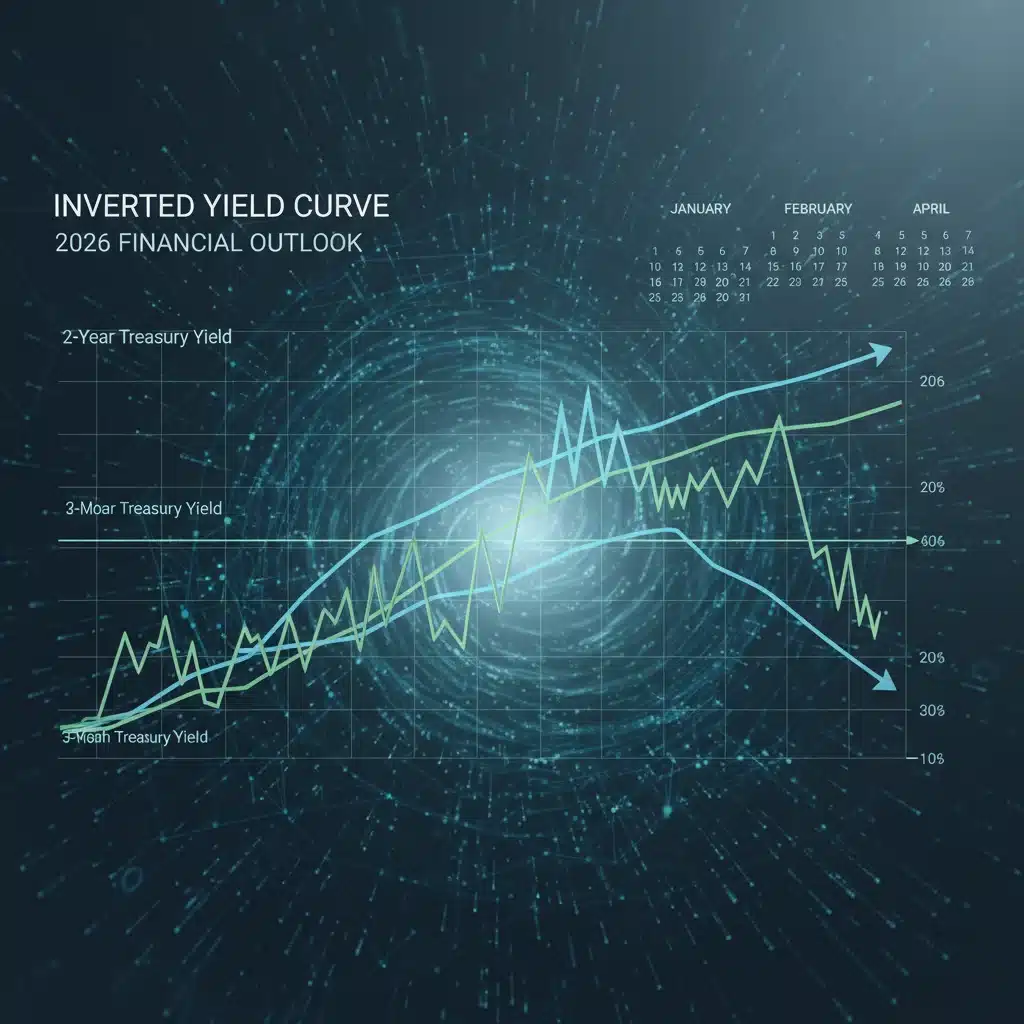
To grasp the significance of a 1.5% yield curve inversion, we must first understand what the yield curve is and why it matters. The yield curve is a graphical representation of the yields of bonds with equal credit quality but varying maturity dates. Typically, it slopes upward, meaning that longer-term bonds offer higher yields than shorter-term bonds. This is because investors demand greater compensation for tying up their capital for longer periods, as longer maturities expose them to more interest rate risk and inflation risk.
A ‘normal’ or upward-sloping yield curve reflects healthy economic expectations, where investors anticipate future economic growth and moderate inflation. In such an environment, the central bank might gradually raise short-term rates to temper inflation, while long-term rates remain higher due to growth expectations.
An ‘inverted’ yield curve, however, is a different story. It occurs when short-term bond yields surpass long-term bond yields. This is an anomalous situation where investors are willing to accept lower returns for locking up their money for a longer duration. Why would this happen? The primary driver is often a combination of factors:
Anúncios
- Expectations of Future Economic Slowdown or Recession: Investors anticipate that central banks will eventually be forced to cut short-term interest rates to stimulate a weakening economy. This expectation drives down future long-term yields.
- Flight to Safety: During periods of economic uncertainty, investors often flock to safe-haven assets like long-term government bonds, increasing demand and pushing their yields down.
- Inflation Expectations: If investors expect future inflation to be lower, they will demand less compensation for inflation risk in longer-term bonds.
A 1.5% yield curve inversion, specifically, means that the yield on a short-term bond (e.g., 3-month or 2-year Treasury) is 1.5 percentage points higher than the yield on a long-term bond (e.g., 10-year Treasury). This is a substantial spread and suggests a strong conviction among market participants that significant economic headwinds are on the horizon. While any inversion is a warning sign, a deeper inversion like 1.5% typically amplifies the concerns and strengthens the predictive power of the signal.
Historical Precedent: The Predictive Power of the Bond Market Inversion
The historical record of yield curve inversions as a recession indicator is compelling. Since 1955, every U.S. recession has been preceded by an inversion of the 10-year/2-year Treasury yield curve. While there have been a few false positives (inversions not followed by a recession), these instances have been rare, and the current consensus among many economists is that an inversion is a highly reliable, albeit not foolproof, signal.
Let’s examine some key historical examples:
- 1970s and 1980s: Multiple inversions preceded recessions during this period of high inflation and aggressive monetary tightening by the Federal Reserve.
- Early 1990s: An inversion in 1989 preceded the recession of 1990-1991.
- Early 2000s: The dot-com bubble burst and the subsequent recession were signaled by an inversion in 2000.
- 2006-2007: A significant inversion occurred before the Global Financial Crisis of 2008.
- 2019: A brief inversion occurred in 2019, which some argue was a precursor to the COVID-19 induced recession of 2020, though the pandemic’s sudden nature complicated the direct causality.
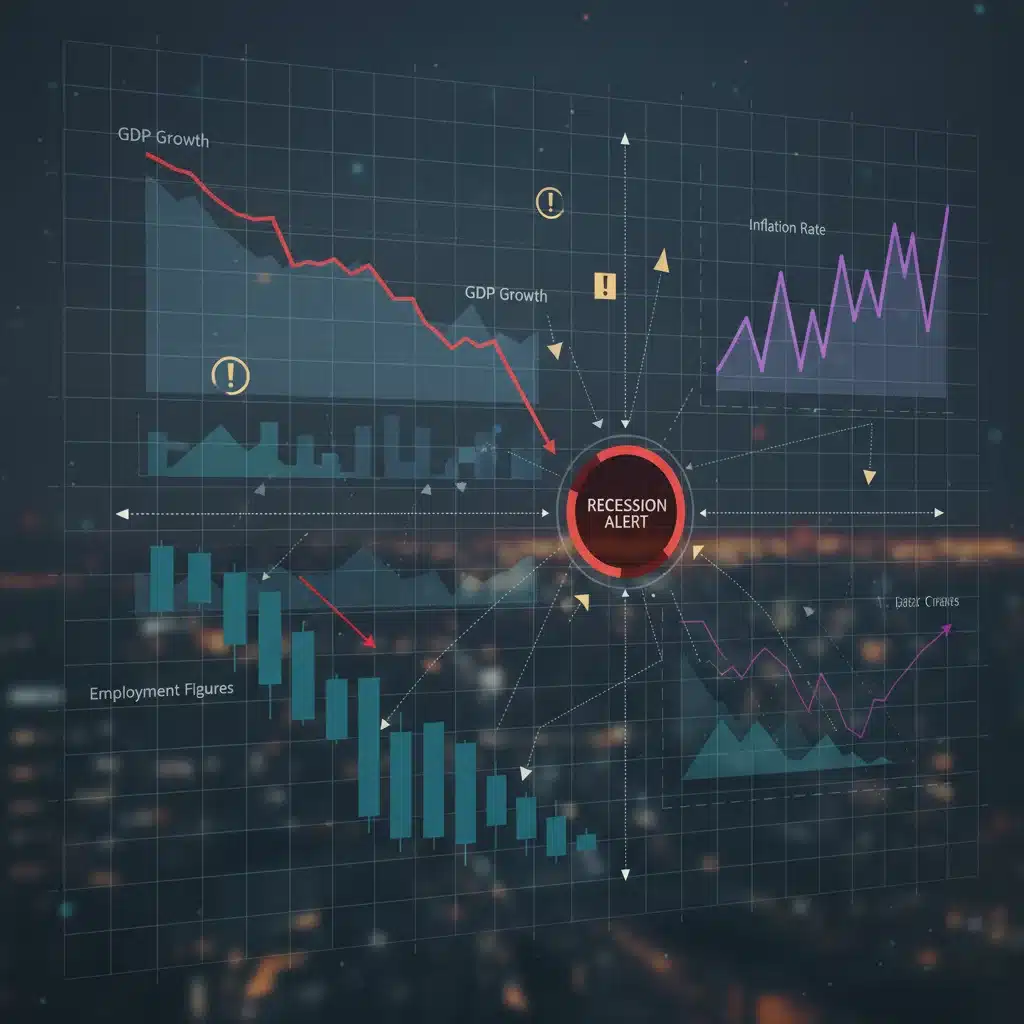
The time lag between an inversion and the onset of a recession can vary, typically ranging from 6 to 24 months. This lag provides investors with a window to adjust their portfolios and strategies. The depth of the inversion, such as the predicted 1.5% for 2026, often correlates with the severity of the subsequent economic downturn. A deeper inversion implies more significant underlying economic imbalances or market fears.
It’s important to note that while the yield curve is a powerful indicator, it is not the only one. Other economic data, such as manufacturing output, consumer confidence, and employment figures, must also be considered for a comprehensive economic outlook. However, the consistent track record of the yield curve makes it an indispensable tool for economic forecasting.
Drivers of a Potential 1.5% Inversion in 2026
Several factors could converge to create a 1.5% bond market inversion by 2026. Understanding these drivers is key to anticipating and responding to market shifts:
Persistent Inflation and Central Bank Response
Even if inflation moderates from recent peaks, it might remain stubbornly above central bank targets. This would compel central banks, particularly the Federal Reserve, to maintain a hawkish stance, keeping short-term interest rates elevated or even raising them further. Aggressive short-term rate hikes are a primary catalyst for yield curve inversions, as they directly push up the short end of the curve.
Slowing Global Economic Growth
Global economic growth could decelerate significantly by 2026 due to a confluence of factors: geopolitical tensions, supply chain fragmentation, demographic shifts, and the cumulative effect of higher interest rates. A slowdown in major economies would reduce demand for goods and services, dampen corporate earnings, and ultimately lead investors to anticipate lower future interest rates and a flight to safety in long-term government bonds, pushing their yields down.
Fiscal Policy and Debt Levels
High levels of government debt in many developed nations could become a more pressing concern. While typically associated with higher long-term yields, in an environment of slowing growth, increased debt could lead to concerns about fiscal sustainability, potentially prompting central banks to keep rates lower for longer in the future to manage debt servicing costs. This complex interplay could contribute to long-term yield compression.
Technological Disruption and Productivity Growth
While technological advancements can drive long-term growth, they can also create short-term disruption, leading to job displacement and economic restructuring. If the market anticipates that these disruptions will outweigh immediate productivity gains, it could contribute to a more pessimistic outlook on long-term growth and inflation, further steepening the inversion.
Market Sentiment and Psychology
Financial markets are not purely rational; sentiment plays a significant role. If a consensus forms around the likelihood of a recession, this collective psychology can become a self-fulfilling prophecy, driving investors to behave in ways that accelerate the inversion. The sheer depth of a 1.5% inversion could reflect a widespread belief in an impending downturn.
Implications for Investors: Navigating the 2026 Bond Market
A 1.5% yield curve inversion carries significant implications across various asset classes. Investors need to be prepared for potential shifts in market dynamics and adjust their strategies accordingly.
Fixed Income Investments
For bond investors, an inverted curve presents a complex scenario:
- Short-Term Bonds: These may initially offer attractive yields, potentially higher than long-term bonds. However, if the central bank starts cutting rates in response to a recession, reinvestment risk becomes a concern as maturing short-term bonds will be rolled over at lower rates.
- Long-Term Bonds: While their yields are lower during an inversion, long-term bonds typically perform well during recessions as interest rates fall and investors seek safety. They can act as a hedge against equity market declines.
- Corporate Bonds: High-yield (junk) bonds are particularly vulnerable during economic downturns, as corporate defaults tend to rise. Investment-grade corporate bonds may also face spread widening, but their performance will be better than high-yield.
- Duration Management: Investors might consider increasing their portfolio duration (holding more long-term bonds) in anticipation of falling rates during a recession, which would boost bond prices.
Equity Markets
Equity markets are typically sensitive to economic downturns. An inverted yield curve often signals a period of weaker corporate earnings and increased volatility:
- Recessionary Impact: Corporate profits usually decline during a recession, leading to lower stock prices. Defensive sectors (e.g., consumer staples, utilities, healthcare) tend to outperform cyclical sectors (e.g., industrials, consumer discretionary) during such periods.
- Valuation Compression: As interest rates remain elevated initially, and then fall in anticipation of recession, discount rates for future earnings can fluctuate, leading to valuation adjustments.
- Sector Rotation: Investors might consider rotating into sectors that are less sensitive to economic cycles or those that benefit from lower interest rates once the central bank starts easing.
Real Estate and Commodities
- Real Estate: A slowing economy and higher interest rates (before the central bank cuts) can negatively impact real estate. Commercial real estate may suffer from reduced demand, while residential real estate could see a cooling due to higher mortgage rates and reduced consumer confidence.
- Commodities: Commodities are often sensitive to global demand. A significant economic slowdown would likely depress commodity prices, especially industrial metals and energy, due to reduced industrial activity. Gold, however, often acts as a safe-haven asset during times of economic uncertainty and could see increased demand.
Currency Markets
An inverted yield curve and the subsequent economic adjustments can also impact currency valuations. If the inversion is a uniquely U.S. phenomenon, it might initially strengthen the dollar as investors seek safety. However, if a recession leads to significant interest rate cuts, the dollar could weaken against other major currencies, especially those whose central banks are less aggressive in easing policy.
Strategic Considerations for Investors in 2026
Given the potential for a 1.5% bond market inversion and its implications, investors should consider several strategic adjustments:
1. Reassess Risk Tolerance and Asset Allocation
This is a critical first step. An impending economic slowdown calls for a thorough review of one’s risk tolerance. Investors with a lower tolerance for risk might consider de-risking their portfolios by reducing exposure to highly cyclical equities and increasing allocations to high-quality fixed income or defensive assets. A balanced approach, aligned with long-term financial goals, is paramount.
2. Focus on Quality and Durability
In equities, prioritize companies with strong balance sheets, consistent cash flows, low debt, and a history of dividend payments. These ‘quality’ companies tend to be more resilient during economic downturns. In fixed income, stick to investment-grade bonds, particularly government bonds, to minimize credit risk. Avoid speculative investments that thrive only in robust economic conditions.
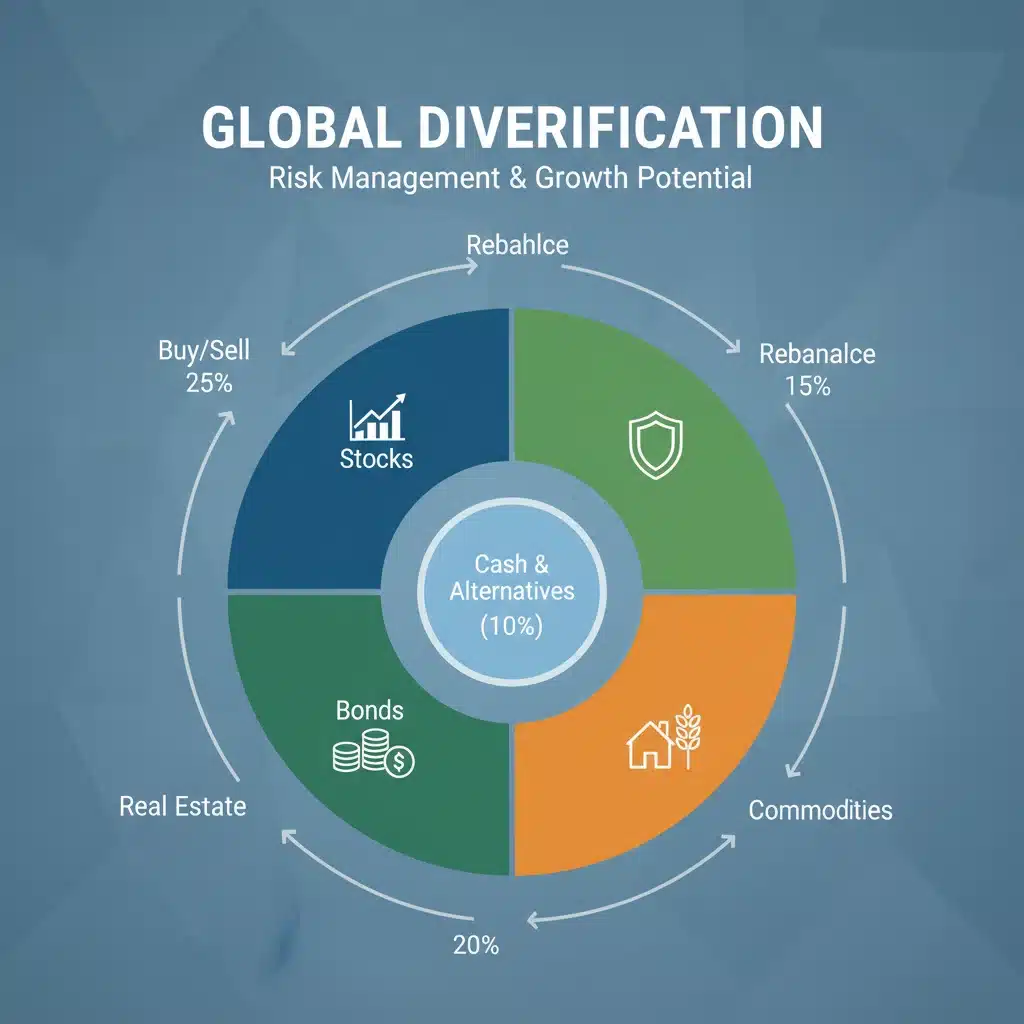
3. Diversification Beyond Traditional Assets
While traditional diversification across stocks and bonds is important, consider alternative investments that may offer uncorrelated returns. This could include certain types of real assets, absolute return strategies, or even a small allocation to precious metals like gold, which historically performs well during periods of economic uncertainty and financial stress. Diversification within the bond market itself is also crucial, considering different maturities and types of bonds.
4. Maintain Liquidity
Having sufficient cash or highly liquid equivalents is essential. This provides a safety net for unexpected expenses and allows investors to take advantage of buying opportunities when asset prices fall during a downturn. A 1.5% inversion signals a need for caution and preparedness.
5. Consider Actively Managed Strategies
While passive investing has its merits, an environment characterized by an inverted yield curve and potential recession might favor active management. Skilled fund managers can dynamically adjust portfolios, identify undervalued assets, and navigate volatility more effectively than a static index fund. This is especially true in bond markets where active managers can exploit pricing inefficiencies.
6. Stay Informed and Adaptable
Economic conditions are fluid. While a 1.5% bond market inversion is a strong signal, the exact timing and severity of any subsequent recession are uncertain. Continuously monitor economic data, central bank communications, and market sentiment. Be prepared to adapt your strategy as new information becomes available.
Challenges and Counterarguments to the Inversion Signal
While the historical correlation is strong, it’s also important to acknowledge challenges and counterarguments to the predictive power of a 1.5% bond market inversion:
1. ‘This Time Is Different’ Syndrome
Critics often argue that current economic conditions are unique, rendering historical precedents less relevant. For example, unprecedented levels of quantitative easing and fiscal stimulus in recent years might have distorted bond market signals. The sheer volume of central bank balance sheets could be influencing long-term rates in ways not seen in previous inversions.
2. Global Factors
The U.S. yield curve doesn’t operate in a vacuum. Global capital flows, interest rate differentials with other major economies, and the demand for U.S. Treasuries as a global safe haven can all influence long-term yields, potentially masking or distorting the domestic economic signal. If global demand for U.S. long-term bonds remains high for safety reasons, it could artificially depress long-term yields, contributing to an inversion even without a severe domestic recession immediately on the horizon.
3. Central Bank Intervention
Central banks have become more proactive and powerful in recent decades. Their ability to influence interest rates and inject liquidity into the financial system could potentially mitigate or delay the impact of an inverted yield curve. However, this also raises questions about moral hazard and the long-term consequences of such interventions.
4. Lagging Indicator?
Some economists argue that while an inversion precedes a recession, the market itself is already pricing in much of the expected slowdown. By the time the inversion is widely recognized, much of the ‘smart money’ has already made its moves, and the signal’s actionable value might be diminished for latecomers. However, a 1.5% inversion is a significant move, suggesting that the market is truly concerned, and not just making minor adjustments.
5. Not All Inversions Are Equal
The specific segments of the yield curve that invert, and the duration of the inversion, can also matter. A brief inversion of only a few basis points might be less significant than a prolonged, deep inversion across multiple maturities, such as the 1.5% scenario we are discussing. The market often looks at various spreads (e.g., 10-year/2-year, 10-year/3-month) to get a comprehensive picture.
Conclusion: Preparing for the 2026 Bond Market Landscape
The prospect of a 1.5% yield curve inversion in the 2026 bond market is a powerful signal that demands attention from all market participants. While historical correlations point strongly towards an increased risk of recession, it is crucial to approach this forecast with a nuanced understanding. The bond market, with its collective wisdom, is expressing significant concern about future economic growth and the trajectory of interest rates. This is not a time for panic, but for careful planning and strategic adjustment.
For investors, the key takeaways are clear: reassess your risk profile, prioritize quality assets, diversify intelligently, maintain adequate liquidity, and remain adaptable. The fixed income market will likely present both challenges and opportunities, with short-term bonds offering initial attractiveness but long-term bonds potentially serving as a crucial hedge against equity market volatility during a downturn. Equity investors should lean towards defensive sectors and companies with robust fundamentals, while considering how a slowing economy might impact real estate and commodity prices.
Ultimately, the 2026 bond market, characterized by a potentially deep yield curve inversion, will test the resilience and foresight of investors. By understanding the underlying drivers of this phenomenon and its historical implications, individuals and institutions can position themselves to navigate the coming economic cycles with greater confidence and potentially emerge stronger on the other side. The bond market is speaking; it is wise to listen and prepare.