Global Economic Outlook 2026: 3.5% GDP Growth and U.S. Market Impact
Anúncios
Global Economic Outlook 2026: Navigating a Projected 3.5% GDP Growth and Its Profound Impact on U.S. Markets
The global economy stands at a pivotal juncture, with projections for 2026 indicating a robust 3.5% GDP growth. This forecast, while seemingly a positive indicator, carries a complex array of implications for various economies, particularly the United States. Understanding the nuances of this global economic outlook is crucial for policymakers, businesses, and investors seeking to navigate the evolving financial landscape. This comprehensive analysis delves into the drivers behind this projected growth, the potential challenges it presents, and its multifaceted impact on U.S. markets, offering insights into strategic adjustments and opportunities.
Anúncios
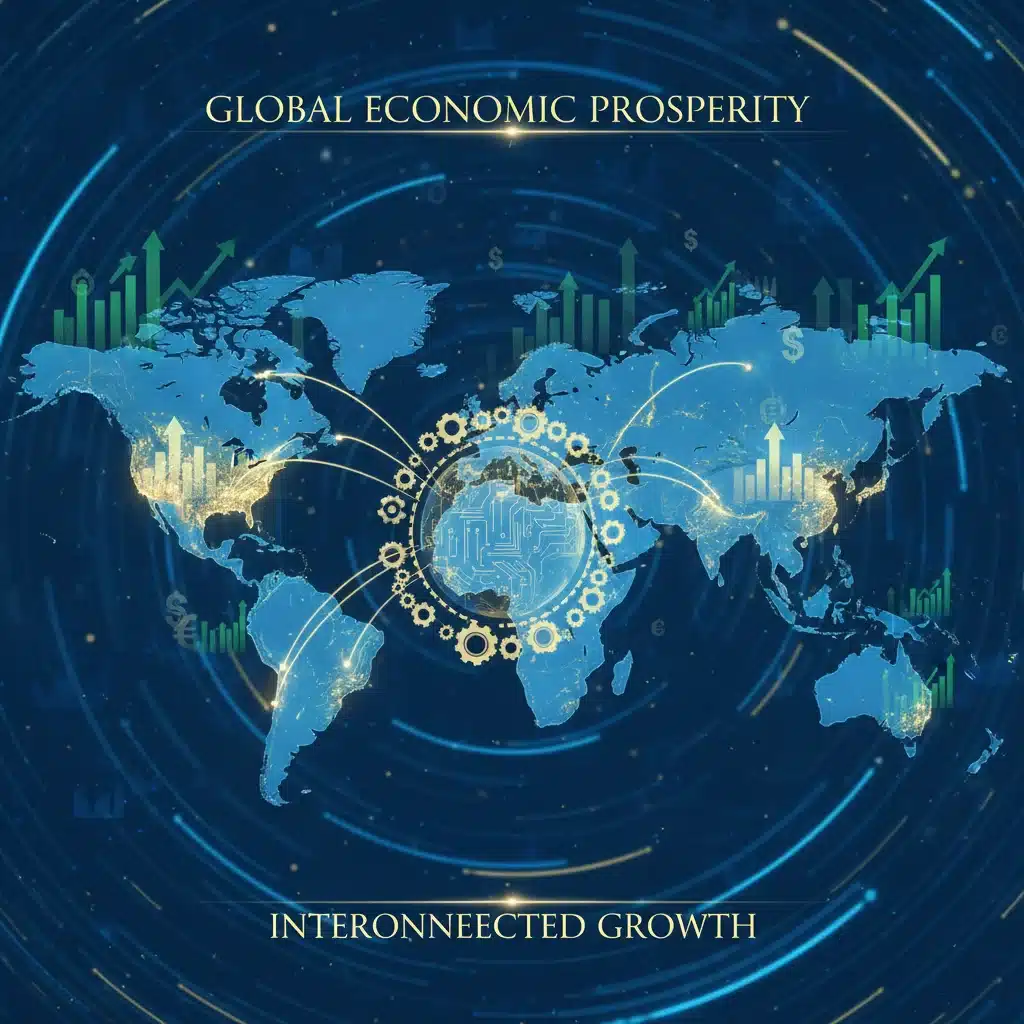
The year 2026 is anticipated to be a period of significant economic recalibration and expansion, following years of unprecedented disruptions and recoveries. The 3.5% global GDP growth projection is not merely a number; it represents a confluence of factors, including continued technological advancements, evolving geopolitical dynamics, shifts in consumer behavior, and ongoing efforts towards sustainable development. For the U.S., a major player in the global arena, this growth trajectory will undoubtedly influence everything from inflation and interest rates to corporate earnings and employment figures. The interconnectedness of the modern global economy means that developments in one region can have ripple effects across continents, making a holistic understanding of the global economic outlook indispensable.
Understanding the Drivers of 3.5% Global GDP Growth
Several key factors are expected to underpin the projected 3.5% global GDP growth in 2026. A deeper dive into these drivers reveals the intricate mechanisms at play and provides context for their potential impact on the U.S. economy.
Anúncios
Technological Innovation and Digital Transformation
The relentless pace of technological innovation remains a primary engine of economic growth. Artificial intelligence (AI), machine learning, quantum computing, biotechnology, and advanced robotics are not just buzzwords; they are transforming industries, enhancing productivity, and creating entirely new sectors. Investments in digital infrastructure, automation, and data analytics are expected to continue their upward trend, fostering efficiency and competitiveness across global supply chains. For the U.S., a leader in technological development, this translates into sustained growth in its tech sector, increased demand for skilled labor, and enhanced export opportunities for innovative products and services. However, it also raises questions about job displacement and the need for continuous workforce reskilling, which will be critical considerations in the global economic outlook.
Shifting Global Supply Chains and Reshoring Efforts
The vulnerabilities exposed by recent global crises have prompted a significant reevaluation of supply chain strategies. Many nations, including the U.S., are prioritizing resilience and security, leading to efforts to diversify sourcing, regionalize production, and even reshore critical manufacturing capabilities. While this can initially lead to increased costs, it is expected to create more stable and predictable supply networks in the long run. For the U.S., reshoring initiatives could boost domestic manufacturing, create jobs, and reduce reliance on volatile international markets. This shift will contribute to the overall global economic outlook by fostering more robust regional economies, though it may also lead to some trade reconfigurations.
Energy Transition and Green Investments
The global push towards decarbonization and sustainable energy solutions is generating substantial investment and innovation. Governments and corporations worldwide are committing trillions to renewable energy projects, electric vehicle infrastructure, energy efficiency improvements, and green technologies. This transition is not only an environmental imperative but also a significant economic opportunity. The U.S., with its vast renewable energy potential and a growing green tech sector, stands to benefit immensely from this global trend. These investments will stimulate job creation, drive technological advancements, and contribute to GDP growth, making it a crucial component of the 2026 global economic outlook.
Emerging Market Growth and Urbanization
While developed economies continue to play a crucial role, emerging markets are expected to contribute significantly to the 3.5% global GDP growth. Rapid urbanization, a burgeoning middle class, and increasing access to technology in these regions are fueling demand for goods and services. Countries in Asia, Africa, and Latin America are projected to experience robust growth rates, driven by infrastructure development, industrialization, and expanding consumer bases. This growth creates new markets for U.S. exports and investment, but also intensifies global competition. Understanding these dynamics is vital for U.S. businesses looking to capitalize on the broader global economic outlook.
Impact of 3.5% Global GDP Growth on U.S. Markets
A 3.5% global economic outlook suggests a generally favorable environment, but its impact on U.S. markets will be multifaceted, influencing various sectors and financial indicators.
Inflationary Pressures and Monetary Policy
Sustained global economic growth can lead to increased demand for commodities and finished goods, potentially fueling inflationary pressures. If global demand outstrips supply, or if supply chain disruptions persist, the U.S. could experience higher import costs and domestic price increases. The Federal Reserve’s response to these inflationary trends will be critical. If inflation remains elevated, the Fed might be compelled to maintain or even increase interest rates, impacting borrowing costs for consumers and businesses, and potentially slowing down domestic economic activity. Investors will need to closely monitor inflation data and central bank communications to anticipate monetary policy shifts within this global economic outlook.
Corporate Earnings and Stock Market Performance
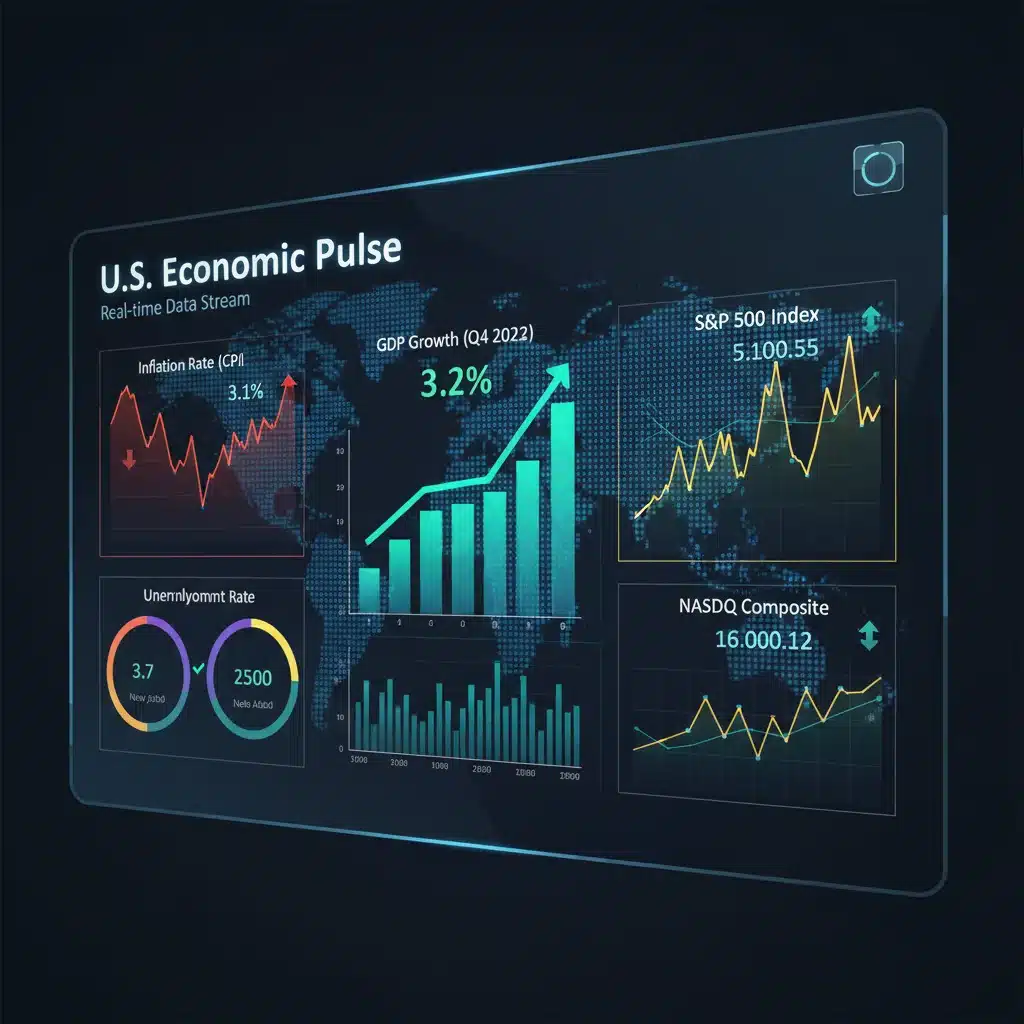
A strong global economic outlook generally bodes well for corporate earnings, especially for multinational corporations with significant international operations. Increased global demand translates into higher sales volumes and revenues. U.S. companies operating in sectors like technology, industrials, and consumer discretionary, which often have a strong global footprint, could see substantial profit growth. This positive earnings environment could, in turn, support higher stock market valuations. However, geopolitical risks, currency fluctuations, and trade policies could introduce volatility, requiring investors to be selective and agile. The performance of the S&P 500 and other major indices will be closely tied to the global economic pulse.
Employment and Wage Growth
Robust global growth can indirectly stimulate employment and wage growth in the U.S. As global demand for U.S. goods and services rises, domestic industries may expand, leading to increased hiring. Furthermore, if international competition for skilled labor intensifies, it could put upward pressure on wages in certain sectors. However, the impact of automation and AI on the labor market also needs to be considered. While these technologies can create new jobs, they can also displace others, leading to a need for continuous workforce adaptation. The interplay of global demand and technological advancement will shape the U.S. employment landscape within the global economic outlook.
Trade Balances and Currency Valuation
A stronger global economic outlook can influence the U.S. trade balance and the value of the U.S. dollar. Increased global economic activity typically leads to higher demand for U.S. exports, which could help narrow the trade deficit. However, if U.S. economic growth lags behind other major economies, or if interest rate differentials shift, the dollar’s value could fluctuate. A stronger dollar makes U.S. exports more expensive, potentially dampening export growth, while a weaker dollar can boost exports but also increase import costs. These dynamics will have significant implications for U.S. businesses engaged in international trade and for consumers purchasing imported goods.
Investment Opportunities and Sectoral Performance
The projected 3.5% global economic outlook will present diverse investment opportunities across various sectors. Investors will likely gravitate towards sectors poised to benefit from global growth trends, such as:
- Technology: Continued innovation in AI, cloud computing, and cybersecurity will drive demand.
- Renewable Energy: The global energy transition will fuel significant investments in solar, wind, and battery technologies.
- Infrastructure: Global infrastructure development, both digital and physical, will create opportunities for construction, engineering, and materials companies.
- Healthcare: Aging populations and advancements in medical technology will ensure sustained growth in the healthcare sector.
- Emerging Markets: Selective investments in rapidly growing emerging economies could yield high returns, though they come with higher risks.
Conversely, sectors heavily reliant on stable, low-cost supply chains or those vulnerable to increased competition from abroad might face headwinds. Diversification and a thorough understanding of global market dynamics will be paramount for successful investing.
Challenges and Risks to the 2026 Global Economic Outlook
While the 3.5% GDP growth projection paints an optimistic picture, several significant challenges and risks could temper this global economic outlook. Prudent analysis requires acknowledging these potential headwinds.
Geopolitical Tensions and Regional Conflicts
Ongoing geopolitical tensions, regional conflicts, and political instability in various parts of the world pose substantial risks to global trade, supply chains, and investor confidence. Disruptions to energy supplies, trade routes, or critical raw material access can trigger inflationary spikes and economic slowdowns. The U.S. economy, being deeply integrated into the global system, is susceptible to these external shocks. Escalations in conflicts or new geopolitical flashpoints could quickly alter the positive global economic outlook.
Persistent Inflation and Interest Rate Volatility
Despite efforts to control inflation, the possibility of its persistence remains a key concern. Supply-side constraints, wage-price spirals, or unexpected demand shocks could keep inflation elevated. This would force central banks, including the Federal Reserve, to maintain tighter monetary policies for longer, potentially leading to higher interest rates and increased borrowing costs. Such volatility in interest rates could dampen investment, cool consumer spending, and increase the risk of a global economic slowdown or even recession, directly impacting the U.S. market.
Climate Change and Natural Disasters
The increasing frequency and intensity of extreme weather events and other climate-related disasters pose significant economic risks. These events can disrupt agricultural production, damage infrastructure, displace populations, and strain public finances. For the U.S., vulnerabilities exist in various regions, impacting industries from agriculture to tourism and insurance. The economic costs associated with climate change mitigation and adaptation are substantial and will increasingly factor into the global economic outlook.
Cybersecurity Threats and Digital Vulnerabilities
As the world becomes more digitized, the threat of cyberattacks intensifies. Major cyber incidents targeting critical infrastructure, financial institutions, or large corporations could lead to significant economic losses, disrupt supply chains, and erode public trust. The U.S., with its highly digitized economy, is particularly vulnerable to these threats. Protecting digital assets and ensuring cybersecurity resilience will be paramount for maintaining economic stability and confidence within the projected global economic outlook.
Debt Levels and Fiscal Sustainability
Many countries, including the U.S., have accumulated significant levels of public and private debt, exacerbated by recent crises. High debt burdens can limit governments’ fiscal flexibility to respond to future economic downturns or invest in growth-enhancing initiatives. Rising interest rates make servicing this debt more expensive, potentially crowding out other essential spending. Concerns about fiscal sustainability could lead to market instability and impact investor confidence, thus influencing the global economic outlook.
Strategic Adjustments for U.S. Businesses and Investors
Given the projected global economic outlook and its inherent challenges, U.S. businesses and investors must adopt proactive strategies to thrive in 2026 and beyond.
Diversification Across Geographies and Asset Classes
For investors, diversifying portfolios across different geographies and asset classes is more critical than ever. While U.S. markets offer robust opportunities, allocating capital to promising emerging markets or stable developed economies abroad can mitigate country-specific risks and capture broader global growth. Similarly, a mix of equities, fixed income, real estate, and alternative investments can provide resilience against market volatility. Businesses should also consider diversifying their market presence and supply chain partners globally to reduce reliance on any single region.
Focus on Innovation and Productivity Enhancements
Businesses that prioritize innovation, research and development, and the adoption of productivity-enhancing technologies will be better positioned for success. Investing in AI, automation, and digital tools can improve efficiency, reduce costs, and create new revenue streams. For the U.S., maintaining its competitive edge in technology will be crucial for sustained economic leadership within the global economic outlook. This also extends to workforce development, ensuring employees have the skills needed for future-oriented roles.
Resilient Supply Chain Management
Building more resilient and diversified supply chains is no longer an option but a necessity. Companies should conduct thorough risk assessments of their supply networks, identify potential single points of failure, and explore strategies such as multi-sourcing, regionalization, and holding strategic inventories. Nearshoring or reshoring critical components can also reduce lead times and enhance control, contributing to greater operational stability in a volatile global economic outlook.
Sustainable and ESG Investing
The growing emphasis on environmental, social, and governance (ESG) factors is reshaping investment landscapes. Companies with strong ESG credentials are increasingly favored by investors and consumers. Integrating sustainability into business models and investment decisions can not only mitigate risks but also unlock new opportunities in green technologies, renewable energy, and socially responsible practices. U.S. businesses and investors aligning with these global trends will likely see long-term benefits.
Agile Risk Management and Scenario Planning
The unpredictable nature of the global economy necessitates robust risk management frameworks and continuous scenario planning. Businesses and investors should regularly assess geopolitical risks, economic policy changes, and market trends. Developing contingency plans for various economic scenarios, from accelerated growth to unexpected downturns, will enable quicker and more effective responses to unforeseen events. Flexibility and adaptability will be key characteristics of successful entities in the dynamic global economic outlook of 2026.

The Role of International Cooperation in the Global Economic Outlook
Achieving a stable and prosperous global economic outlook, especially with a 3.5% GDP growth, heavily relies on effective international cooperation. No single nation, not even an economic powerhouse like the U.S., can navigate the complexities of the global economy in isolation.
Addressing Global Challenges Collaboratively
Issues such as climate change, pandemics, cybersecurity threats, and financial instability are inherently global and require coordinated international responses. Multilateral institutions like the International Monetary Fund (IMF), the World Bank, and the World Trade Organization (WTO) play a crucial role in facilitating dialogue, setting standards, and providing financial assistance. The U.S. engagement with these bodies, and its leadership in fostering international agreements, will be vital in shaping a stable environment for global growth.
Promoting Free and Fair Trade
While protectionist sentiments have emerged in recent years, a return to free and fair trade principles, albeit with necessary adjustments for national security and environmental concerns, can significantly boost global economic activity. Reducing trade barriers, harmonizing regulations, and resolving trade disputes through diplomatic channels can unlock new markets and foster greater efficiency. For the U.S., this means balancing domestic industrial policies with the benefits of global trade to maximize its economic potential within the global economic outlook.
Coordinated Monetary and Fiscal Policies
In an interconnected world, the monetary and fiscal policies of major economies have spillover effects. Coordinated efforts among central banks and finance ministries, particularly in managing inflation and financial stability, can prevent unilateral actions from destabilizing global markets. Dialogue and information sharing among G7, G20, and other economic forums are essential for maintaining a balanced and predictable global economic outlook.
Investing in Global Development
Supporting development in lower-income countries through foreign aid, investment, and technology transfer not only aligns with humanitarian goals but also creates new markets and reduces global instability. A more prosperous and stable developing world contributes to overall global demand and reduces potential sources of conflict and migration, which can indirectly benefit the U.S. economy. This long-term perspective on global development is an integral part of a sustainable global economic outlook.
Conclusion: Navigating Growth in a Dynamic Global Landscape
The projected 3.5% GDP growth for the global economic outlook in 2026 represents a period of potential expansion and opportunity, but it is not without its complexities and risks. For the United States, this global trajectory will profoundly influence its domestic markets, from inflation and interest rates to corporate performance and employment. The drivers of this growth—technological innovation, supply chain recalibration, green investments, and emerging market dynamism—offer significant avenues for prosperity.
However, geopolitical tensions, persistent inflation, climate change, cybersecurity threats, and debt burdens remain formidable challenges that demand careful monitoring and strategic responses. U.S. businesses and investors must adopt agile strategies, focusing on diversification, innovation, resilient supply chains, and sustainable practices. Furthermore, the commitment to international cooperation remains paramount for fostering a stable, predictable, and prosperous global economic environment.
By understanding these interconnected forces and proactively adjusting to the evolving landscape, the U.S. can effectively harness the opportunities presented by the 2026 global economic outlook, ensuring sustained growth and resilience in an continually dynamic world. The path ahead requires foresight, adaptability, and a collaborative spirit to transform challenges into stepping stones for future economic success.