The 2026 Inflation Outlook: Preparing Your Business for a Projected 4% Rate
Anúncios
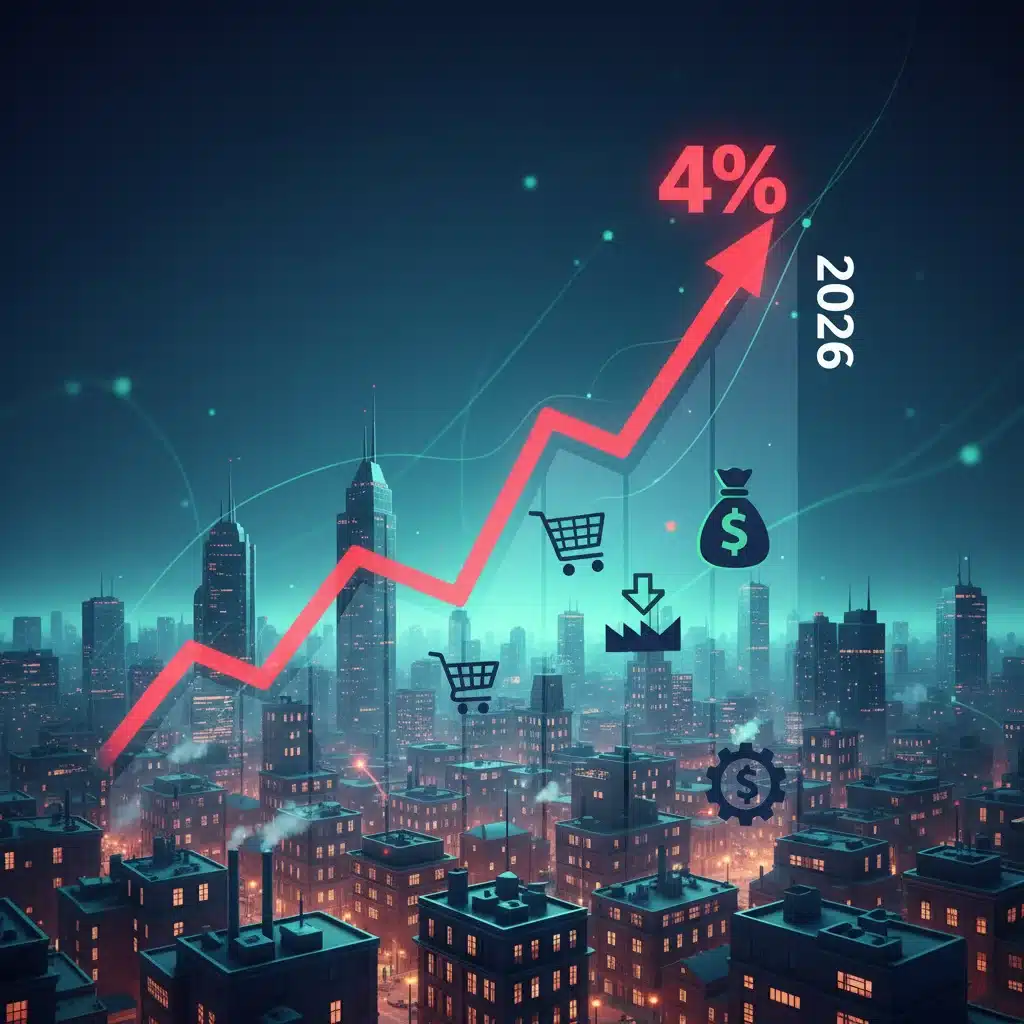
As we navigate the complexities of the global economy, the 2026 inflation outlook presents a critical point of discussion for businesses worldwide. Recent economic analyses and expert projections indicate a potential inflation rate of around 4% by 2026. This forecast is not merely a number; it represents a significant challenge and an opportunity for strategic foresight and adaptation across all sectors. Understanding the nuances of this projection is paramount for business leaders aiming to safeguard their operations and foster sustainable growth.
Inflation, at its core, refers to the rate at which the general level of prices for goods and services is rising, and subsequently, purchasing power is falling. A 4% inflation rate, while not historically unprecedented, signifies a considerable erosion of value if not properly managed. For businesses, this translates into higher operational costs, potential shifts in consumer spending habits, and the need for a recalibration of financial strategies. This comprehensive guide will delve into the factors driving the 2026 inflation outlook, explore its potential financial impacts, and provide actionable strategies for businesses to not only survive but thrive in this evolving economic landscape.
Understanding the Drivers Behind the 2026 Inflation Outlook
Several interconnected factors are contributing to the projected 4% inflation rate for 2026. A deep dive into these drivers is essential for businesses to anticipate future challenges and opportunities. These factors often include a mix of supply-side constraints, demand-side pressures, and geopolitical influences.
Anúncios
Supply Chain Disruptions and Geopolitical Tensions
The global supply chain has been a significant point of vulnerability in recent years. Lingering effects from the pandemic, coupled with new geopolitical tensions and conflicts, continue to disrupt the free flow of goods and raw materials. These disruptions lead to increased shipping costs, longer lead times, and ultimately, higher prices for consumers and businesses alike. As companies grapple with these challenges, the cost of production inevitably rises, contributing to inflationary pressures. The 2026 inflation outlook heavily factors in the persistence of these supply-side issues, making resilience in supply chain management a top priority.
Monetary Policy and Fiscal Stimulus
Central banks around the world have employed various monetary policies to manage economic stability. While interest rate hikes are a common tool to curb inflation, their effectiveness can be delayed, and their impact on different sectors can vary. Furthermore, government fiscal stimulus measures, while often necessary to support economies during downturns, can inject significant liquidity into the market, potentially fueling demand-side inflation. The interplay between monetary policy adjustments and ongoing fiscal support will be a crucial determinant of the actual inflation rate in 2026. Businesses must closely monitor these policy shifts as they directly influence borrowing costs, consumer spending, and investment decisions.
Labor Market Dynamics and Wage Growth
A tight labor market, characterized by low unemployment rates and increased demand for skilled workers, can lead to upward pressure on wages. While wage growth is beneficial for workers, it can also contribute to inflation as businesses pass on increased labor costs to consumers through higher prices. The balance between maintaining a competitive workforce and managing escalating payroll expenses will be a delicate act for many organizations. The 2026 inflation outlook considers the continued evolution of labor market dynamics, including the impact of automation and shifts in workforce demands.
Energy Prices and Commodity Markets
Fluctuations in global energy prices, particularly oil and natural gas, have a cascading effect across the economy. Higher energy costs increase transportation expenses, manufacturing costs, and utility bills for businesses and households. Similarly, volatility in commodity markets, driven by factors such as weather patterns, geopolitical events, and investment speculation, can significantly impact the cost of raw materials. These external shocks are notoriously difficult to predict but are undeniable contributors to inflationary trends. Businesses need to factor in potential energy and commodity price increases when formulating their budgets and pricing strategies for the period leading up to and including 2026.
Financial Impact of a 4% Inflation Rate on Businesses
A 4% inflation rate can manifest in various ways, directly impacting a business’s bottom line and operational efficiency. Understanding these financial implications is the first step toward effective mitigation and strategic planning.
Increased Operating Costs
One of the most immediate effects of inflation is the rise in operating costs. This includes everything from the cost of raw materials and utilities to transportation and labor. Businesses will find that their input costs are higher, squeezing profit margins if they cannot adjust their pricing accordingly. This is particularly challenging for businesses with long production cycles or those operating on thin margins. The 2026 inflation outlook necessitates a thorough review of all cost centers to identify areas for efficiency and potential cost reduction.
Businesses face a dilemma: absorb increased costs and risk lower profitability, or raise prices and risk alienating customers. A 4% inflation rate will force companies to carefully re-evaluate their pricing strategies. Consumer purchasing power diminishes during inflationary periods, leading to more discerning buying habits. Businesses might observe a shift towards lower-priced alternatives, a reduction in discretionary spending, or an increased demand for value. Adapting to these changes in consumer behavior is crucial for maintaining market share and revenue. Effective communication about price adjustments and value propositions becomes more important than ever.
Access to Capital and Interest Rates
In an effort to combat inflation, central banks typically raise interest rates. This makes borrowing more expensive for businesses, impacting investments in expansion, research and development, and even day-to-day operations. Companies reliant on debt financing will face higher servicing costs, potentially limiting their ability to grow or innovate. For the 2026 inflation outlook, businesses should assess their current debt structures and explore options for refinancing or securing capital at favorable rates before significant increases take hold.
Valuation and Investment Returns
Inflation can also affect business valuations and the real (inflation-adjusted) returns on investments. Assets like real estate and commodities might see their nominal values rise, but the real growth could be lower once inflation is accounted for. For investors, the challenge is to find assets that can outpace inflation. For businesses looking to attract investment or considering mergers and acquisitions, understanding the impact of inflation on future cash flows and discount rates is vital. The 2026 inflation outlook will undoubtedly influence investor sentiment and capital allocation decisions.
Strategic Adjustments for Businesses to Prepare for 2026 Inflation
Preparing for a projected 4% inflation rate requires proactive and multi-faceted strategies. Businesses that adapt early and intelligently will be better positioned to navigate the economic shifts and emerge stronger.
Optimize Supply Chain Management
Given the persistent supply chain challenges, optimizing this critical area is non-negotiable. This involves diversifying suppliers to reduce reliance on a single source, exploring reshoring or nearshoring options to shorten lead times and reduce transportation costs, and investing in technology for better inventory management and forecasting. Negotiating long-term contracts with suppliers at fixed prices can also provide a hedge against rising input costs. The goal is to build a resilient and agile supply chain that can withstand inflationary pressures and unforeseen disruptions. 
Implement Dynamic Pricing Strategies
Static pricing models may not be sustainable in an inflationary environment. Businesses should consider implementing dynamic pricing strategies that allow for flexible adjustments based on changing costs, demand, and competitive landscapes. This could involve value-based pricing, cost-plus pricing with regular reviews, or even subscription models that allow for periodic price adjustments. Clear communication with customers about price changes, emphasizing the value proposition, is crucial to maintain loyalty. Leveraging data analytics can help businesses make informed pricing decisions that optimize revenue without alienating their customer base.
Enhance Cost Control and Efficiency
A rigorous focus on cost control and operational efficiency is paramount. This includes scrutinizing every expense, identifying areas for waste reduction, and investing in automation and technology to streamline processes. Energy efficiency measures, renegotiating contracts with service providers, and optimizing logistics can all contribute to significant cost savings. The 2026 inflation outlook demands a lean operational model where every dollar is spent wisely. Regularly auditing expenses and seeking out innovative ways to reduce overheads can provide a crucial buffer against rising inflation.
Strategic Financial Planning and Hedging
Financial planning in an inflationary environment must be more robust. Businesses should revisit their budgets and financial forecasts, incorporating the 4% inflation projection. Exploring hedging strategies, such as forward contracts for commodities or foreign exchange, can mitigate exposure to price volatility. Maintaining healthy cash reserves is also vital, providing liquidity to absorb unexpected cost increases or capitalize on opportune investments. Businesses should also consider diversifying their investment portfolios if they hold significant financial assets, focusing on those that historically perform well during inflationary periods. Consulting with financial experts can provide tailored advice on navigating these complexities.
Invest in Human Capital and Productivity
While labor costs can be a significant component of inflation, investing in human capital remains critical. Enhancing employee skills, improving workplace productivity, and fostering a positive work environment can lead to higher output per employee, effectively reducing the per-unit labor cost. Offering competitive compensation and benefits, even in an inflationary period, is essential for attracting and retaining top talent. The cost of high employee turnover often outweighs the savings from stagnant wages. The 2026 inflation outlook underscores the importance of a productive and engaged workforce as a competitive advantage.
Innovate and Differentiate Your Offerings
Innovation is a powerful tool against inflation. By developing new products or services, or enhancing existing ones, businesses can create greater value for customers, justifying potential price increases. Differentiation allows companies to stand out from competitors, making them less susceptible to price wars. Focusing on quality, unique features, or superior customer service can help maintain demand even when prices rise. This strategic approach transforms a potential threat into an opportunity for market leadership and reinforces brand loyalty. The 2026 inflation outlook should spur creativity and strategic product development.
Long-Term Resilience and Growth in an Inflationary Environment
Beyond immediate adjustments, businesses need to cultivate long-term resilience to thrive amidst sustained inflationary pressures. This involves a shift in mindset and a commitment to continuous adaptation.
Building Strong Customer Relationships
Customer loyalty becomes even more valuable during inflationary times. Businesses that have built strong relationships based on trust, quality, and excellent service will find it easier to retain customers, even if price adjustments are necessary. Investing in customer experience, personalized communication, and loyalty programs can help cement these relationships. Understanding evolving customer needs and preferences allows businesses to adapt their offerings and maintain relevance. The 2026 inflation outlook emphasizes the need for robust customer engagement strategies.
Leveraging Technology and Digital Transformation
Digital transformation is not just a buzzword; it’s a strategic imperative. Technology can drive efficiency, reduce costs, and enhance customer experience. Investing in automation, artificial intelligence, data analytics, and cloud computing can streamline operations, optimize resource allocation, and provide deeper insights into market trends. These technological advancements can help businesses respond more rapidly to inflationary pressures and maintain a competitive edge. From automating routine tasks to optimizing supply chain logistics, technology offers numerous avenues for mitigating the impact of inflation. 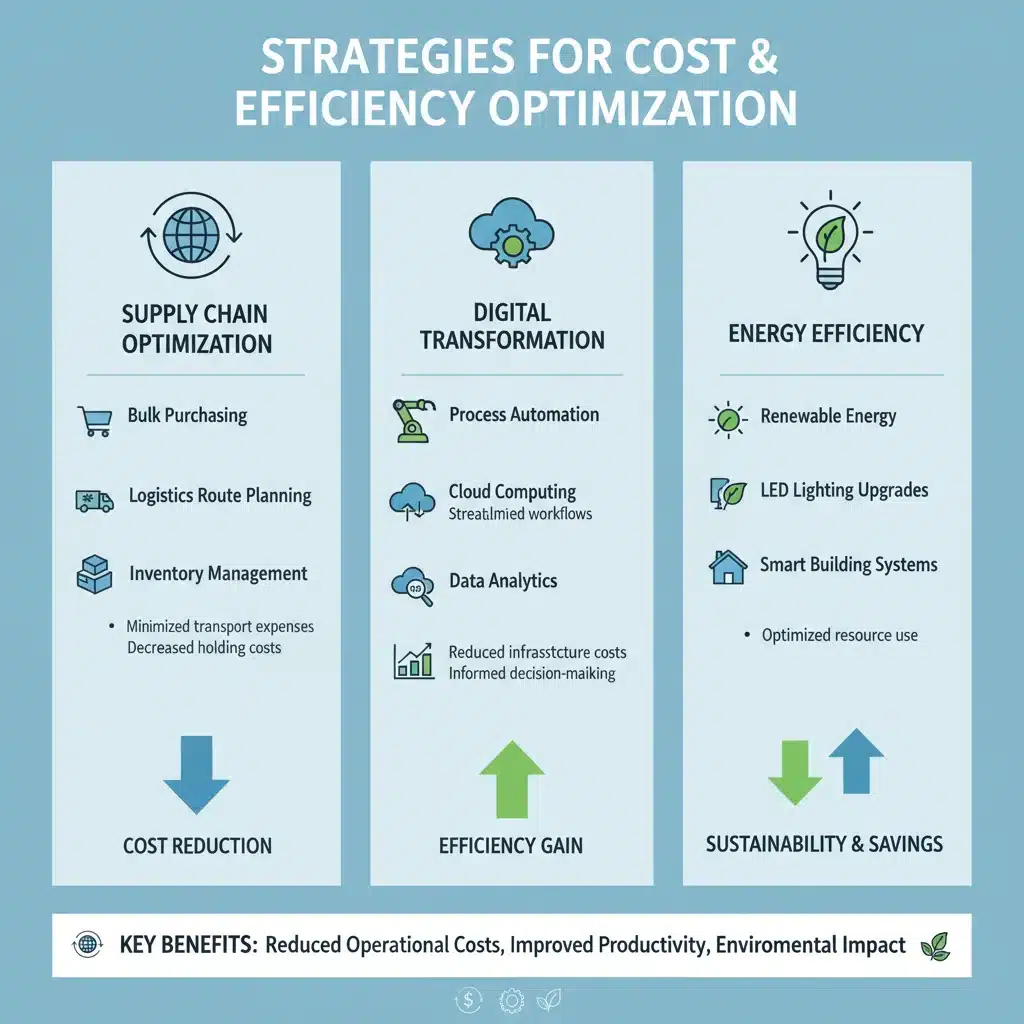
Diversifying Revenue Streams
Relying on a single product, service, or market can be risky in an unstable economic environment. Businesses should explore opportunities to diversify their revenue streams. This could involve expanding into new markets, developing complementary products or services, or exploring new business models. Diversification can reduce dependence on any one area, making the business more resilient to sector-specific inflationary impacts or shifts in consumer demand. The 2026 inflation outlook encourages a broader perspective on market opportunities.
Scenario Planning and Risk Management
Effective risk management is crucial. Businesses should engage in scenario planning, modeling different inflation rates and their potential impacts on their operations. This allows for the development of contingency plans and proactive strategies. Identifying key risks—such as supply chain disruptions, labor shortages, or sudden shifts in consumer demand—and having mitigation strategies in place can prevent crises from derailng business continuity. Regular reviews of these plans and adjustments based on new economic data are essential. The 2026 inflation outlook serves as a reminder to continuously assess and manage potential risks.
Advocating for Favorable Policies
Businesses also have a role to play in advocating for economic policies that support stability and growth. Engaging with industry associations, chambers of commerce, and policymakers can help shape an environment conducive to business success. This could involve advocating for policies that address supply chain bottlenecks, promote workforce development, or encourage investment. Collective action can often lead to more impactful solutions than individual efforts alone. Staying informed about economic policy debates is key to understanding the broader context of the 2026 inflation outlook.
Conclusion: Navigating the 2026 Inflation Outlook with Confidence
The projected 4% inflation rate for 2026 presents a significant economic challenge, but it is by no means an insurmountable one. By understanding the underlying drivers, anticipating the financial impacts, and implementing proactive strategic adjustments, businesses can not only weather the storm but also emerge stronger and more resilient. The key lies in agility, foresight, and a commitment to continuous improvement across all facets of the organization.
From optimizing supply chains and implementing dynamic pricing to enhancing cost control and fostering innovation, every strategic move contributes to a business’s ability to navigate inflationary pressures. Long-term success will also depend on building strong customer relationships, leveraging technology, diversifying revenue streams, and robust risk management. The 2026 inflation outlook calls for a comprehensive approach, transforming potential threats into opportunities for strategic growth and market leadership. Businesses that embrace these principles will be well-prepared to face the economic landscape of 2026 and beyond with confidence and sustained prosperity.