US Retail 2026: E-commerce Driving 7% Expansion
Anúncios
The Future of US Retail: A 2026 Market Analysis Highlighting a 7% E-commerce Expansion
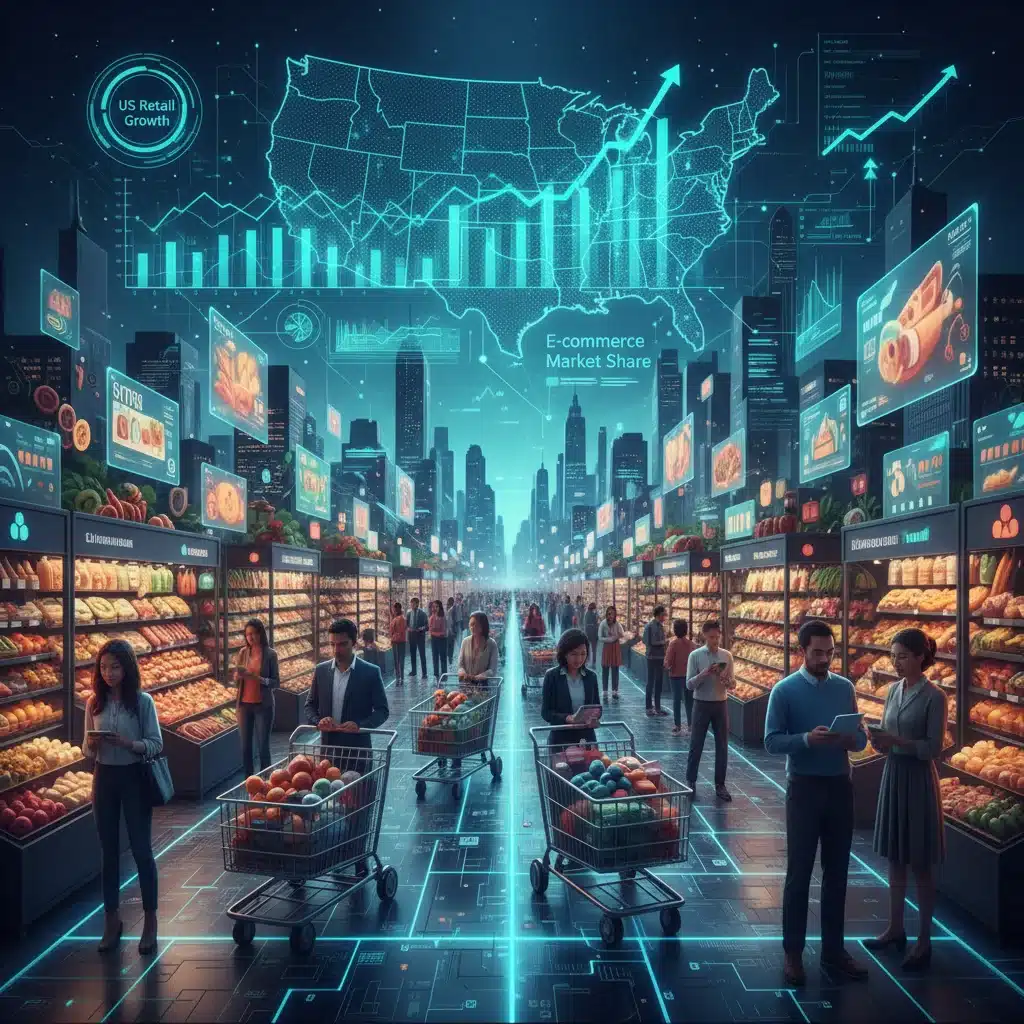
The United States retail sector stands on the precipice of a significant evolution, with projections indicating a robust 7% expansion by 2026, largely spearheaded by the relentless ascent of e-commerce. This comprehensive analysis delves into the multifaceted dynamics shaping the US Retail 2026 landscape, exploring the pivotal role of digital transformation, evolving consumer behaviors, and strategic imperatives for businesses aiming to thrive in this new era. The traditional retail model is continually being redefined, pushing businesses to innovate at an unprecedented pace to meet the demands of an increasingly digital-first consumer base.
Understanding the intricacies of this projected growth requires a deep dive into various contributing factors, from technological advancements to shifting demographic profiles. The US Retail 2026 outlook is not merely about increased sales; it’s about a fundamental restructuring of how consumers interact with brands and make purchasing decisions. E-commerce, once a supplementary channel, is now the primary engine of growth, forcing brick-and-mortar stores to rethink their purpose and integrate seamlessly with their online counterparts.
Anúncios
The Digital Tsunami: E-commerce as the Growth Catalyst
The most significant driver behind the anticipated 7% expansion in US Retail 2026 is undoubtedly e-commerce. The pandemic accelerated digital adoption by years, embedding online shopping firmly into the daily routines of millions of Americans. This trend shows no signs of abating, with consumers continually seeking convenience, variety, and personalized experiences that digital platforms are uniquely positioned to offer.
E-commerce growth is not uniform across all categories. While some sectors, like electronics and apparel, have long enjoyed strong online presence, others, such as groceries and home improvement, have seen a dramatic surge in online penetration. This diversification means that nearly every retail segment is now grappling with the implications of a digital-first strategy. Retailers must invest in robust online infrastructures, seamless user experiences, and efficient last-mile delivery solutions to capture this expanding market share.
Anúncios
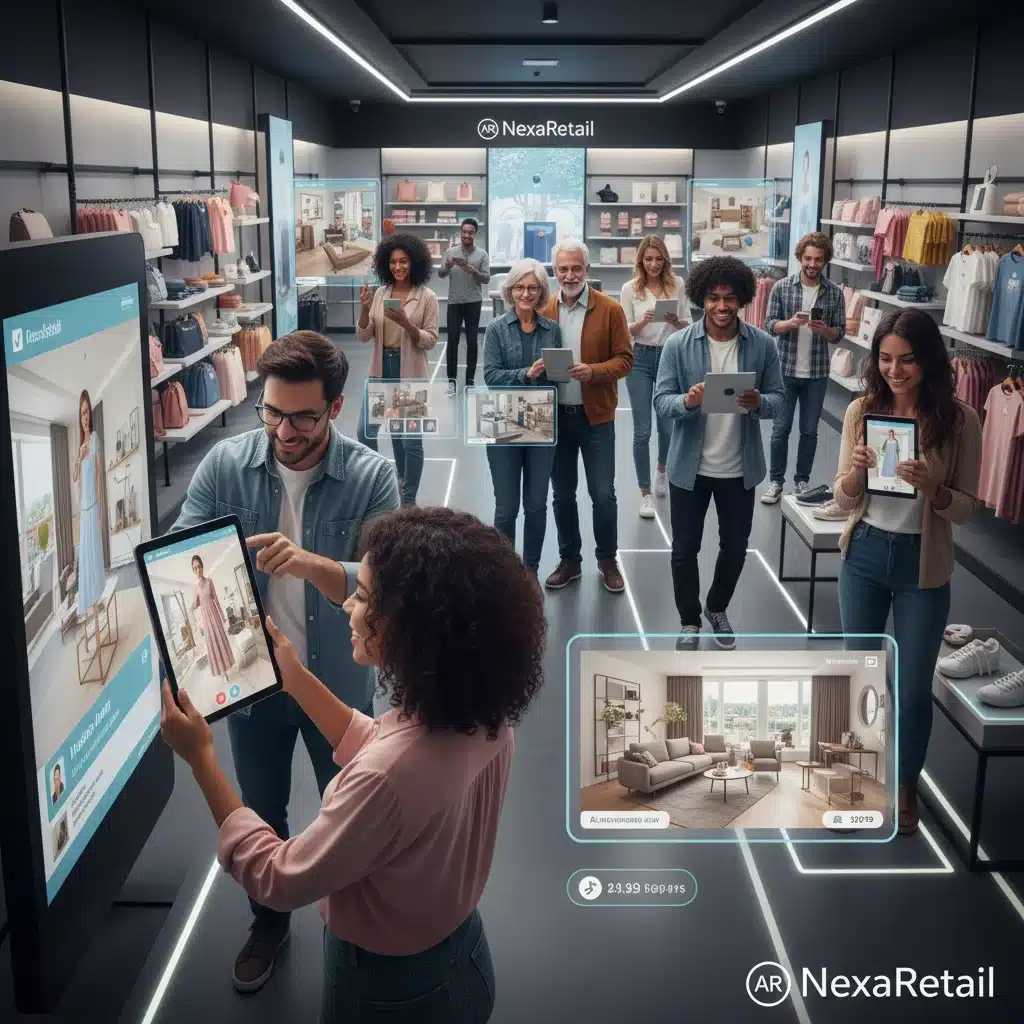
The technological underpinnings of this expansion are crucial. Artificial intelligence (AI) and machine learning (ML) are enhancing personalization, predictive analytics, and customer service. Augmented reality (AR) and virtual reality (VR) are beginning to transform the online shopping experience, allowing consumers to ‘try on’ clothes or visualize furniture in their homes before purchase. These innovations are not just novelties; they are becoming essential tools for engaging consumers and differentiating brands in a crowded digital space. The US Retail 2026 narrative is intrinsically linked to these technological advancements.
Evolving Consumer Behavior: The Hybrid Shopper and Experience Economy
The consumer of 2026 will be characterized by a hybrid shopping approach, seamlessly blending online and offline channels. This ‘phygital’ consumer expects consistency and convenience across all touchpoints. They might research products online, visit a physical store to see them, and then complete the purchase on their mobile device. Or they might buy online and pick up in-store (BOPIS), valuing speed and flexibility.
Beyond convenience, consumers are increasingly prioritizing experiences over mere transactions. This ‘experience economy’ demands that retailers create engaging and memorable interactions, whether in a beautifully designed physical store or through an immersive online platform. For brick-and-mortar stores, this means transforming into experiential hubs, offering classes, events, or personalized services that cannot be replicated online. For e-commerce, it means crafting compelling brand narratives, interactive content, and community-building initiatives.
Sustainability and ethical consumption are also growing concerns for consumers, particularly younger generations. Brands that demonstrate a genuine commitment to environmental responsibility, fair labor practices, and transparent supply chains are likely to resonate more strongly with this segment. The US Retail 2026 landscape will reward companies that align their values with those of their customers, fostering loyalty and trust in an era of abundant choice.
Strategic Imperatives for Retailers in 2026
1. Omnichannel Integration: A Seamless Journey
True omnichannel integration is no longer a luxury but a necessity. Retailers must break down silos between their online and offline operations, ensuring a unified customer experience. This includes synchronized inventory management, consistent pricing, unified customer profiles, and a smooth handover between channels. A customer should be able to start a shopping cart on their phone, continue it on their desktop, and pick up the item in-store without any friction. The success of US Retail 2026 hinges on mastering this integration.
2. Data-Driven Personalization: Beyond Basic Recommendations
Leveraging data to understand individual customer preferences and predict future needs will be paramount. This goes beyond simple product recommendations; it involves personalized marketing messages, customized product assortments, tailored promotions, and even proactive customer service. AI and machine learning will play a critical role in analyzing vast datasets to create highly individualized shopping journeys, making each customer feel uniquely understood and valued.
3. Supply Chain Resilience and Agility
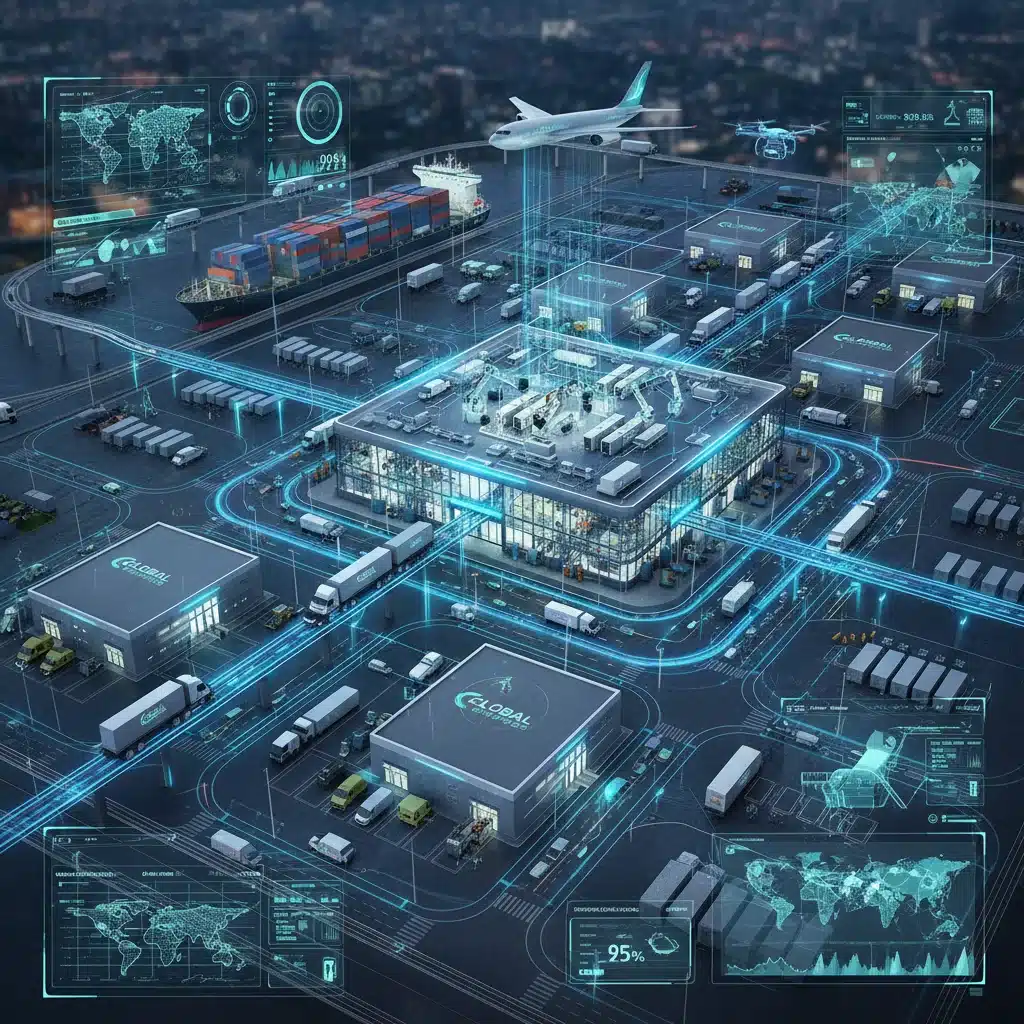
The disruptions of recent years have underscored the importance of a resilient and agile supply chain. In US Retail 2026, retailers must invest in diversified sourcing, localized fulfillment centers, and advanced logistics technologies to minimize risks and ensure timely delivery. The ability to quickly adapt to unforeseen events, whether they be geopolitical shifts, natural disasters, or sudden changes in consumer demand, will be a key competitive differentiator. This includes adopting automation in warehouses and leveraging real-time tracking systems.
4. The Evolving Role of Physical Stores
While e-commerce drives growth, physical stores are far from obsolete. Their role is evolving from transactional points to experiential hubs, brand showcases, and fulfillment centers. Stores can serve as showrooms for online products, locations for returns and exchanges, or even micro-fulfillment centers for local online orders. The focus will shift to creating immersive brand experiences, fostering community, and providing personalized services that complement the online journey. The future of US Retail 2026 involves a harmonious blend of digital and physical presence.
5. Embracing New Technologies: AI, AR, and Beyond
Staying at the forefront of technological innovation will be crucial. This includes not only AI and AR as mentioned previously but also exploring emerging technologies like the metaverse, blockchain for supply chain transparency, and advanced robotics for operational efficiency. Retailers who are early adopters and effectively integrate these technologies into their business models will gain a significant competitive advantage in the US Retail 2026 landscape.
Challenges and Opportunities in US Retail 2026
Despite the optimistic growth projections, retailers will face several challenges. Intense competition, rising customer acquisition costs, data privacy concerns, and the need for continuous technological investment will test even the most agile businesses. The labor market also presents a challenge, with a demand for skilled workers in logistics, data analytics, and digital marketing.
However, these challenges also present significant opportunities. The expansion of e-commerce opens up new markets and customer segments. The ability to collect and analyze vast amounts of data offers unprecedented insights into consumer behavior. The drive for sustainability can lead to innovative product development and stronger brand loyalty. For businesses that can navigate these complexities, the US Retail 2026 market offers substantial rewards.
The Rise of Social Commerce and Live Shopping
Social media platforms are no longer just for brand awareness; they are becoming powerful sales channels. Social commerce, where products are discovered and purchased directly within social apps, is set to explode. Live shopping events, popularized in Asia, are also gaining traction in the US, allowing brands to engage with customers in real-time, demonstrate products, and drive impulse purchases. This interactive and community-driven approach to selling will be a key component of the US Retail 2026 strategy for many brands.
Subscription Models and Direct-to-Consumer (DTC) Brands
Subscription boxes and direct-to-consumer (DTC) brands continue to disrupt traditional retail. Consumers are increasingly valuing convenience, curation, and exclusive access, which subscription models readily provide. DTC brands, by cutting out the middleman, can offer more competitive pricing, greater control over brand messaging, and deeper relationships with their customers. Both models are likely to see continued growth and innovation in the US Retail 2026 market, forcing established retailers to adapt their strategies.
Hyper-Personalization and AI-Powered Recommendations
The future of retail is deeply personal. Beyond basic recommendations, AI will enable hyper-personalization, creating unique shopping experiences for each customer. This could include dynamic pricing based on individual purchasing history, personalized product bundles, or even AI-driven personal shopping assistants that learn and adapt to a customer’s style and preferences over time. This level of customization will be a significant competitive advantage in the US Retail 2026 landscape, fostering unparalleled customer loyalty.
Conclusion: Navigating the New Retail Frontier
The US Retail 2026 market, characterized by a projected 7% e-commerce expansion, represents a dynamic and exciting frontier for businesses. Success will hinge on a proactive approach to digital transformation, a deep understanding of evolving consumer behaviors, and a commitment to innovation across all facets of the business. Retailers must embrace omnichannel strategies, leverage data for hyper-personalization, build resilient supply chains, and redefine the role of their physical stores.
The future of retail is not about choosing between online and offline; it’s about seamlessly integrating them to create a holistic and engaging customer journey. Those who adapt quickly, invest wisely in technology, and prioritize customer experience will be well-positioned to capture the significant growth opportunities that lie ahead in the evolving US Retail 2026 landscape. The next few years will undoubtedly be a period of intense transformation, rewarding agility, foresight, and a relentless focus on the customer.