US Consumer Spending Trends 2026: The 4% Shift to Services
Anúncios
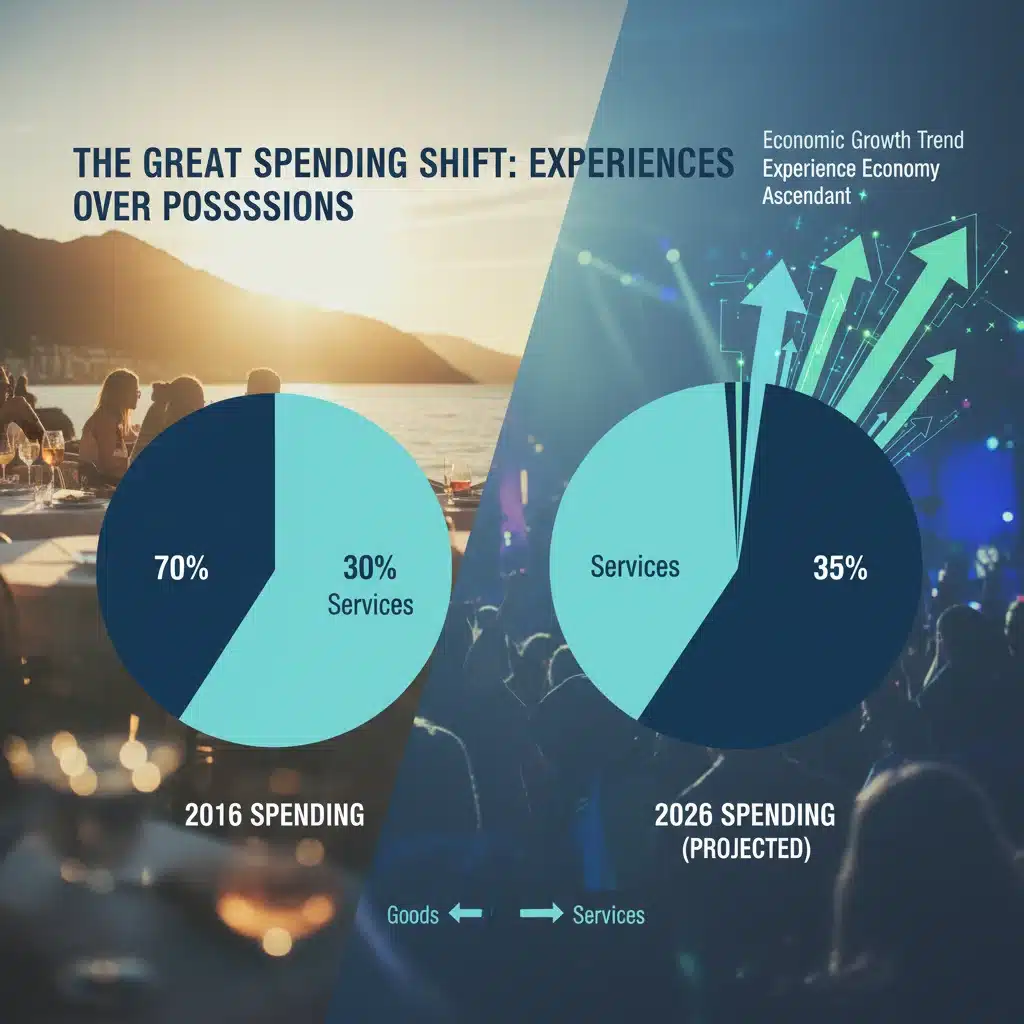
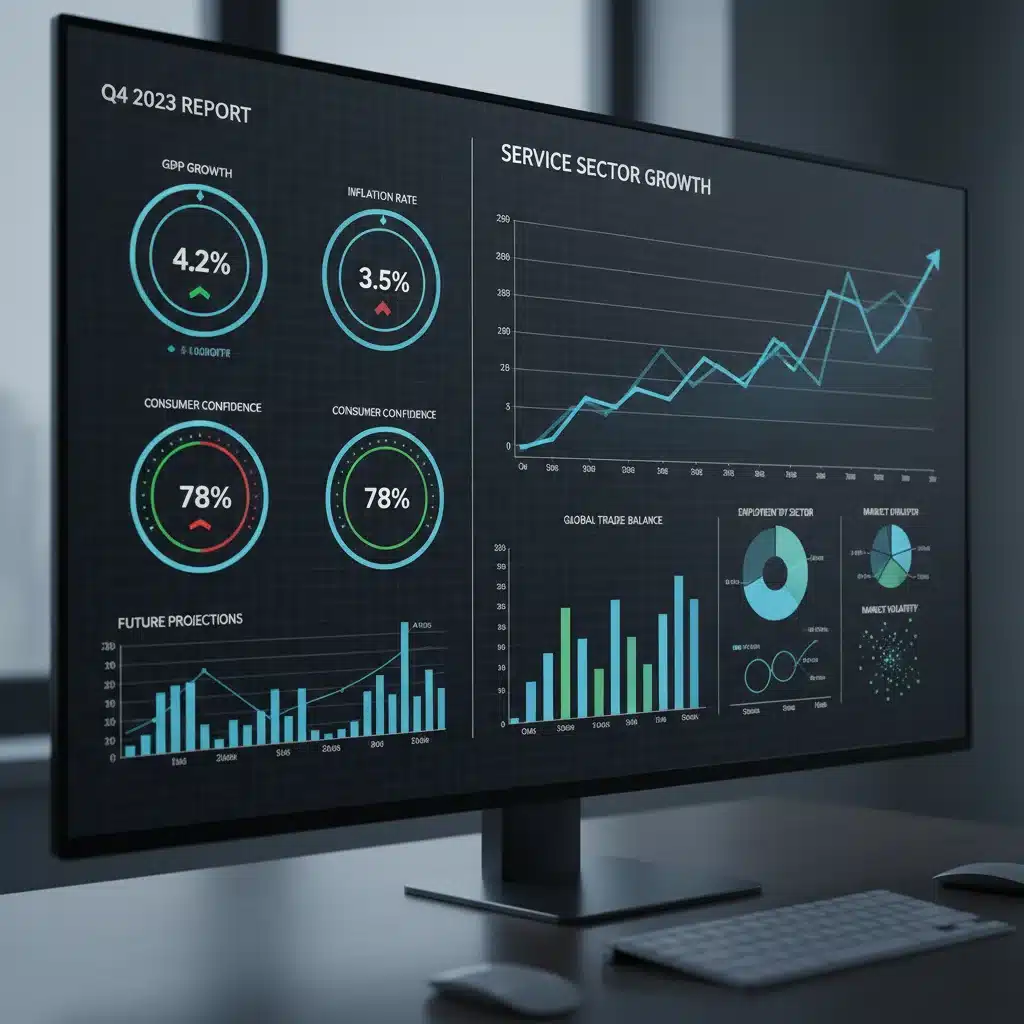
The landscape of the American economy is constantly evolving, driven by a myriad of factors ranging from technological advancements to demographic shifts and changing societal values. One of the most significant trends economists and market analysts are closely watching is the projected shift in US consumer spending patterns. By 2026, forecasts indicate a notable 4% reallocation of consumer expenditure towards services, away from traditional goods. This isn’t just a minor fluctuation; it represents a substantial recalibration of how Americans spend their hard-earned money and carries profound implications for businesses, policymakers, and the broader economic framework.
Understanding this impending consumer spending shift is crucial for anyone looking to navigate the future economic environment successfully. It signals a maturation of consumer preferences, moving beyond mere acquisition of physical items to a greater emphasis on experiences, convenience, and personal well-being. This article will delve deep into the drivers behind this shift, explore its potential impacts across various sectors, and offer insights into how businesses can adapt and thrive in this evolving marketplace. We’ll examine the historical context, analyze current trends, and project future scenarios to provide a comprehensive overview of what this 4% shift truly means for the US economy.
Anúncios
The Economic Undercurrents: Why the Shift to Services?
Several powerful forces are converging to drive this significant consumer spending shift towards services. It’s not a singular cause but a confluence of demographic, technological, and cultural factors that are reshaping consumer priorities.
Demographic Transformations
The aging of the Baby Boomer generation and the rise of Millennials and Generation Z as dominant consumer groups play a pivotal role. As Boomers enter retirement, their spending habits often pivot from accumulating assets to investing in healthcare, leisure, and experiences. Millennials and Gen Z, on the other hand, often prioritize experiences over possessions, valuing travel, dining out, entertainment, and personal development more than previous generations. This generational handoff is fundamentally altering the demand curve across the economy.
Anúncios
The Experience Economy
We are increasingly living in an “experience economy.” Consumers are seeking memorable moments, personal growth, and convenience rather than simply owning more things. This manifests in increased spending on travel, hospitality, entertainment, fitness, and educational services. Social media further amplifies this trend, as shared experiences often garner more social currency than material possessions.
Technological Advancements and Digitalization
Technology acts as a powerful enabler for the service sector. The rise of streaming services (music, video), on-demand delivery platforms (food, groceries), ride-sharing apps, and subscription-based software services has made access to services easier, more convenient, and often more personalized. These digital platforms reduce friction and open up new avenues for service consumption that were less accessible or non-existent a decade ago.
Urbanization and Lifestyle Changes
Increasing urbanization often correlates with a greater reliance on services. City dwellers may have less space for material goods and instead opt for services like public transportation, dining out, and shared living spaces. Busy lifestyles also drive demand for convenience services, such as meal kits, cleaning services, and personal assistants, freeing up time for other pursuits.
Increased Focus on Health and Wellness
There’s a growing societal emphasis on health, wellness, and self-care. This translates into higher spending on fitness memberships, personal training, mental health services, organic food delivery, and wellness retreats. Consumers are increasingly viewing these expenditures not as luxuries but as essential investments in their well-being.
Sector-Specific Impacts of the Consumer Spending Shift
A 4% consumer spending shift might seem modest on paper, but when applied to the multi-trillion-dollar US economy, it represents hundreds of billions of dollars reallocated. This will have uneven impacts across various industries, creating winners and losers.
Booming Service Industries
- Healthcare and Wellness: With an aging population and increased health consciousness, spending on medical services, preventative care, fitness, and mental health support will continue to surge.
- Leisure and Hospitality: Travel, dining, entertainment venues, and accommodation services are poised for significant growth as consumers prioritize experiences.
- Personal and Professional Services: This category includes everything from personal care (salons, spas) to professional development (coaching, online courses), home services (cleaning, landscaping), and financial advisory.
- Technology-Enabled Services: Subscription services for software, streaming content, and various ‘as-a-service’ models will see continued expansion.
Challenges for Goods-Oriented Sectors
While not a complete decline, sectors heavily reliant on the sale of physical goods may face headwinds or need to pivot their strategies. This includes:
- Retail (Non-Essential Goods): Apparel, consumer electronics, and home goods retailers may experience slower growth or even contraction if they don’t innovate. The focus will shift from sheer volume to premium, sustainable, or experiential retail models.
- Manufacturing: Manufacturers of consumer durables might see demand soften, requiring them to explore new markets, product lines, or focus on higher-value, specialized goods.
- Logistics and Supply Chain: While the overall volume of goods might stabilize or grow more slowly, the nature of goods being transported might change, with an increased demand for specialized logistics for services (e.g., medical supplies, event equipment).

Adapting to the New Consumer Landscape: Strategies for Businesses
For businesses, ignoring this impending consumer spending shift is not an option. Proactive adaptation will be key to long-term success. Here are strategies businesses can employ:
For Goods-Based Businesses: Innovate and Integrate Services
- Service Augmentation: Retailers of goods can integrate services into their offerings. For example, furniture stores offering interior design consultations, electronics stores providing setup and tech support subscriptions, or apparel brands offering styling services.
- Experiential Retail: Transform physical stores into destinations that offer more than just products. Think workshops, cafes, product demonstrations, or interactive displays that create memorable experiences.
- Subscription Models: Explore subscription boxes for curated goods or ‘product-as-a-service’ models where consumers pay for access rather than ownership (e.g., clothing rentals, tool libraries).
- Focus on Sustainability and Ethics: Consumers, especially younger generations, are increasingly willing to pay more for goods that are sustainable, ethically sourced, and durable. This aligns with a broader trend of conscious consumption.
For Service-Based Businesses: Enhance and Personalize
- Personalization: Leverage data to offer highly personalized services. This could range from tailored fitness plans to customized travel itineraries or bespoke educational content.
- Convenience and Accessibility: Invest in digital platforms, mobile apps, and user-friendly interfaces to make booking, accessing, and managing services seamless. On-demand and delivery options are also crucial.
- Value Proposition: Clearly articulate the unique value and benefits of the service. Focus on how it saves time, improves well-being, offers unique experiences, or solves specific problems for the consumer.
- Build Community: For services like fitness studios, co-working spaces, or online learning platforms, fostering a sense of community can significantly enhance customer loyalty and engagement.
- Upskilling and Diversification: Service providers should continuously upskill their workforce and consider diversifying their offerings to meet evolving consumer demands.
Broader Economic Implications and Policy Considerations
The 4% consumer spending shift towards services also has significant macroeconomic implications that policymakers and economists need to consider.
Labor Market Dynamics
A shift towards services typically implies a different kind of labor demand. Service jobs often require strong interpersonal skills, problem-solving abilities, and adaptability. There might be a need for retraining and upskilling programs to ensure the workforce can meet the demands of a service-heavy economy. While some service jobs can be lower-wage, there’s also a growing demand for highly skilled professionals in healthcare, technology services, and specialized consulting.
Productivity and Inflation
Productivity growth in the service sector can sometimes be harder to measure and achieve compared to manufacturing. This can have implications for overall economic growth rates. Additionally, if demand for services outstrips supply, it could contribute to inflationary pressures in those sectors. Policymakers will need to monitor these trends closely.
Investment and Innovation
Investment patterns may shift from capital-intensive manufacturing facilities to technology infrastructure that supports service delivery, human capital development, and intellectual property. Innovation will be key in developing new services and improving the efficiency of existing ones.
Regional Economic Disparities
The impact of this shift might not be uniform across all regions. Areas with strong existing service economies (e.g., tech hubs, tourism destinations, healthcare centers) might thrive, while regions heavily reliant on traditional manufacturing could face greater challenges. Regional development policies might need to adapt to foster service sector growth in these areas.
The Role of Sustainability and Ethical Consumption
As consumers increasingly prioritize experiences, there’s also a parallel and growing trend towards conscious consumption. This means that the services consumers opt for are often scrutinized through an ethical and environmental lens. Businesses that can align their service offerings with sustainability goals and demonstrate strong corporate social responsibility are likely to gain a competitive edge. This includes:
- Eco-friendly tourism: Demand for sustainable travel options, eco-lodges, and responsible tourism is on the rise.
- Ethical sourcing in hospitality: Restaurants that source local, organic, and ethically produced ingredients appeal more to this segment.
- Sustainable practices in personal services: Salons using organic products, wellness centers promoting holistic health, and fitness studios with energy-efficient operations.
- Circular economy services: Repair services, rental models for goods (even luxury items), and platforms for reselling or repurposing items are gaining traction, reflecting a desire to reduce waste and extend product lifecycles.
This integration of values into spending decisions means that the consumer spending shift isn’t just about goods versus services; it’s also about how those services are delivered and what values they embody.
Looking Ahead: The Evolving Consumer and Economic Resilience
The projected 4% consumer spending shift towards services by 2026 is a significant indicator of evolving economic priorities and consumer behavior in the United States. It reflects a society that values experiences, convenience, well-being, and often, sustainability, over the mere accumulation of physical possessions. This transformation is not a sudden event but the culmination of long-term demographic, technological, and cultural trends.
For businesses, this means a critical need for strategic re-evaluation. Those in goods-producing sectors must innovate, integrate services, and focus on experiential and value-driven offerings. Service providers, on the other hand, must continually enhance personalization, convenience, and the overall customer experience. The ability to adapt quickly, understand evolving consumer psychology, and leverage technology will be paramount.
From a macroeconomic perspective, this shift presents both opportunities and challenges. It underscores the importance of investing in human capital development, fostering innovation in service delivery, and formulating policies that support a dynamic and resilient economy. The labor market will need to adjust, and productivity measures may require new approaches.
Ultimately, the 2026 outlook paints a picture of a more experience-driven, service-oriented economy. Understanding and responding to this fundamental consumer spending shift will not only be crucial for individual business success but also for the continued prosperity and adaptability of the broader US economy in the years to come. The future of consumer spending is less about what we own and more about what we do, how we feel, and the value we derive from our experiences.