Mastering Tax Code Changes 2026: Deductions & Credits Guide

Anúncios
Mastering Tax Code Changes 2026: Your Ultimate Guide to Deductions and Credits
The landscape of taxation is in a constant state of flux, and as we approach 2026, significant shifts in the tax code are on the horizon. These changes, often stemming from legislative actions or the expiration of previous provisions, can profoundly impact individuals, families, and businesses alike. Understanding these impending tax code changes 2026 is not merely an academic exercise; it’s a critical component of proactive financial planning. Failing to prepare can lead to missed opportunities for savings or, worse, unexpected tax liabilities. This comprehensive guide aims to demystify the upcoming alterations, providing you with the knowledge and strategies to navigate the new tax environment effectively, maximize your deductions, and optimize your credits.
Anúncios
The year 2026 is particularly noteworthy due to the scheduled expiration of several key provisions from the Tax Cuts and Jobs Act (TCJA) of 2017. While some aspects of the TCJA were permanent, many individual income tax provisions were set to sunset at the end of 2025. This means that without new legislation, the tax code will revert to its pre-TCJA structure in many areas, leading to a substantial overhaul for taxpayers. This article will delve into the specifics of these expirations, explore potential new legislative developments, and offer actionable advice to ensure you are well-positioned to thrive under the new rules. Our focus will be on helping you understand how these tax code changes 2026 directly affect your financial situation and what steps you can take today to prepare.
Understanding the Core of 2026 Tax Code Changes: TCJA Sunset Provisions
At the heart of the impending tax code changes 2026 lies the expiration of many individual provisions from the Tax Cuts and Jobs Act of 2017. The TCJA brought about significant alterations to the tax system, including changes to individual income tax rates, the standard deduction, personal exemptions, and various itemized deductions. As these provisions are set to expire, taxpayers can expect a return to some of the pre-TCJA rules, unless new legislation is enacted to extend or modify them.
Anúncios
Individual Income Tax Rates
One of the most impactful changes will likely be the adjustment of individual income tax rates. The TCJA lowered marginal tax rates across most brackets. For example, the top individual income tax rate was reduced from 39.6% to 37%. Upon the sunset, these rates are expected to revert to higher levels. This means that individuals might find themselves in a higher tax bracket, potentially leading to a greater portion of their income being subject to taxation. Understanding these potential rate increases is crucial for income planning, especially for those with fluctuating incomes or significant investment gains. Proactive strategies like tax-loss harvesting or accelerating income into lower-tax years could become more relevant.
Standard Deduction and Personal Exemptions
The TCJA significantly increased the standard deduction, simplifying tax filing for many Americans. Concurrently, it eliminated personal exemptions. As the TCJA provisions expire, the standard deduction amounts are projected to decrease, while personal exemptions are expected to be reinstated. This shift will have a dual impact: some taxpayers who previously took the standard deduction might find it more advantageous to itemize again, while others will benefit from the reintroduction of personal exemptions. The interplay between these two elements will necessitate a careful re-evaluation of your deduction strategy.
Itemized Deductions
Several itemized deductions were modified or capped under the TCJA. For instance, the deduction for state and local taxes (SALT) was capped at $10,000. While there has been ongoing debate about this cap, its future after 2025 remains uncertain. Other changes included limitations on miscellaneous itemized deductions and home equity interest deductions. The expiration of these provisions could mean a return to previous rules, potentially allowing taxpayers to deduct more in certain categories. Staying informed about the status of these deductions is vital for those who itemize.
Child Tax Credit
The TCJA also expanded the Child Tax Credit (CTC), increasing its value and making a larger portion refundable. While there have been temporary expansions since then, the baseline TCJA expansion is also subject to the 2025 sunset. This means the credit amount could decrease, and the refundability rules might revert, impacting families with children. Understanding the potential changes to the CTC is essential for family financial planning and budgeting.
Navigating Potential New Legislation and Economic Factors
While the sunset of TCJA provisions forms the baseline for tax code changes 2026, it’s equally important to consider the potential for new legislative action. Tax policy is often a dynamic area, influenced by economic conditions, political priorities, and societal needs. Congress could choose to extend some or all of the expiring TCJA provisions, introduce entirely new tax reforms, or make targeted adjustments.
The Political Landscape and Tax Reform
The political climate leading up to 2026 will heavily influence the direction of tax policy. Depending on the outcomes of elections and shifts in legislative control, different approaches to taxation could emerge. Some political factions might advocate for extending the TCJA’s individual provisions to maintain lower tax rates, while others might push for reforms aimed at increasing revenue, addressing income inequality, or supporting specific economic sectors. Staying abreast of political developments and proposed legislation will be crucial for anticipating further tax code changes 2026.
Economic Conditions and Their Impact
Broader economic conditions, such as inflation, employment rates, and GDP growth, can also influence tax policy. For instance, in periods of economic downturn, policymakers might consider tax cuts to stimulate growth, while in times of robust economic expansion, there might be a greater focus on fiscal responsibility and deficit reduction through tax adjustments. Understanding the economic forecasts can provide additional context for the likelihood and nature of future tax reforms.
Specific Areas of Potential New Focus
Beyond the TCJA sunset, there are other areas where new tax legislation could emerge. These might include changes related to climate change initiatives, healthcare funding, infrastructure spending, or adjustments to capital gains and corporate tax rates. While these might not directly fall under the TCJA sunset, they could still contribute to significant tax code changes 2026 for various taxpayers. For example, new incentives for green energy or electric vehicle purchases could be introduced, offering new avenues for tax credits.
Maximizing Deductions Amidst the 2026 Tax Code Changes
Regardless of the specific legislative outcomes, proactive strategies for maximizing deductions will remain paramount. The key is to understand which deductions are likely to be available and how to best position yourself to claim them. This requires careful record-keeping, strategic financial planning, and sometimes, making adjustments to your spending or investment habits.
Revisiting Itemized Deductions vs. Standard Deduction
With the potential decrease in the standard deduction and the reintroduction of personal exemptions, many taxpayers will need to re-evaluate whether itemizing their deductions makes more financial sense. This will involve meticulously tracking eligible expenses such as mortgage interest, state and local taxes (subject to any caps), medical expenses (if exceeding the AGI threshold), and charitable contributions. Keeping organized records throughout the year will be invaluable.

Strategic Charitable Giving
Charitable contributions remain a powerful tool for reducing taxable income. Consider strategies like ‘bunching’ deductions, where you consolidate several years’ worth of charitable giving into a single year to exceed the standard deduction threshold, allowing you to itemize. Donating appreciated securities instead of cash can also offer dual tax benefits: avoiding capital gains tax on the appreciation and receiving a deduction for the fair market value of the securities.
Optimizing Retirement Contributions
Contributions to traditional IRAs and 401(k)s are often tax-deductible, reducing your taxable income in the year of contribution. Maximizing these contributions not only helps you save for retirement but also lowers your current tax burden. For those with access to an HSA (Health Savings Account), contributions are also tax-deductible, grow tax-free, and qualified withdrawals are tax-free, making it a triple-tax-advantaged account.
Education-Related Deductions
If you or your dependents are pursuing higher education, various deductions and credits might be available. These can include deductions for student loan interest, tuition and fees deductions (though some have expired or been replaced by credits), and the American Opportunity Tax Credit or Lifetime Learning Credit. Understanding the eligibility requirements for each will be crucial for maximizing educational tax benefits.
Business and Self-Employment Deductions
For self-employed individuals or small business owners, a wide array of business deductions can significantly reduce taxable income. These can include deductions for home office expenses, business travel, professional development, health insurance premiums, and contributions to self-employed retirement plans like SEP IRAs or Solo 401(k)s. Keeping meticulous records of all business-related expenses is essential.
Leveraging Credits to Your Advantage Amidst Tax Code Changes 2026
Tax credits are often more valuable than deductions because they directly reduce your tax liability dollar-for-dollar, rather than just reducing your taxable income. As the tax code changes 2026, understanding and leveraging available credits will be key to minimizing your overall tax bill.
Revisiting the Child Tax Credit and Dependent Care Credit
As mentioned, the Child Tax Credit could see changes. However, even if the amount or refundability is adjusted, it will likely remain a significant benefit for families. Additionally, the Child and Dependent Care Credit helps offset the costs of care for children or other dependents so you can work. Understanding the income limitations and eligibility requirements for these credits will be crucial for families.
Education Credits: American Opportunity and Lifetime Learning
These two prominent education credits can provide substantial relief for college expenses. The American Opportunity Tax Credit is for the first four years of post-secondary education and offers a maximum credit of $2,500 per eligible student. The Lifetime Learning Credit is broader, covering undergraduate, graduate, and professional degree courses, and offers a maximum credit of $2,000 per tax return. Careful planning around who claims these credits (student or parent) and which expenses qualify is important.
Energy Efficient Home Improvement Credits
With a continued focus on environmental sustainability, credits for making energy-efficient home improvements are often available. These can include credits for installing solar panels, energy-efficient windows, doors, or HVAC systems. Keeping an eye on any new or extended provisions in this area as part of the tax code changes 2026 could lead to significant savings.
Earned Income Tax Credit (EITC)
The EITC is a refundable tax credit for low-to moderate-income working individuals and families. Eligibility and the amount of the credit depend on income, filing status, and the number of qualifying children. While often stable, understanding its parameters is vital for those who qualify, as it can result in a significant refund.
Proactive Financial Planning for the 2026 Tax Environment
The most effective way to navigate the impending tax code changes 2026 is through proactive and comprehensive financial planning. Waiting until tax season to assess your situation can limit your options and potentially lead to missed opportunities.
Regular Review of Your Financial Situation
Periodically review your income, expenses, investments, and family situation. Major life events like marriage, divorce, birth of a child, career changes, or significant inheritances can all have tax implications and may necessitate adjustments to your financial strategy. As 2026 approaches, specifically assess how your current financial setup aligns with the expected tax code alterations.
Consulting with a Tax Professional
Given the complexity and potential for ongoing changes, engaging with a qualified tax advisor or financial planner is highly recommended. These professionals can offer personalized advice based on your unique financial circumstances, help you understand the nuances of the tax code changes 2026, and develop a tailored strategy to optimize your tax position. They can also keep you informed of any late-breaking legislative developments.
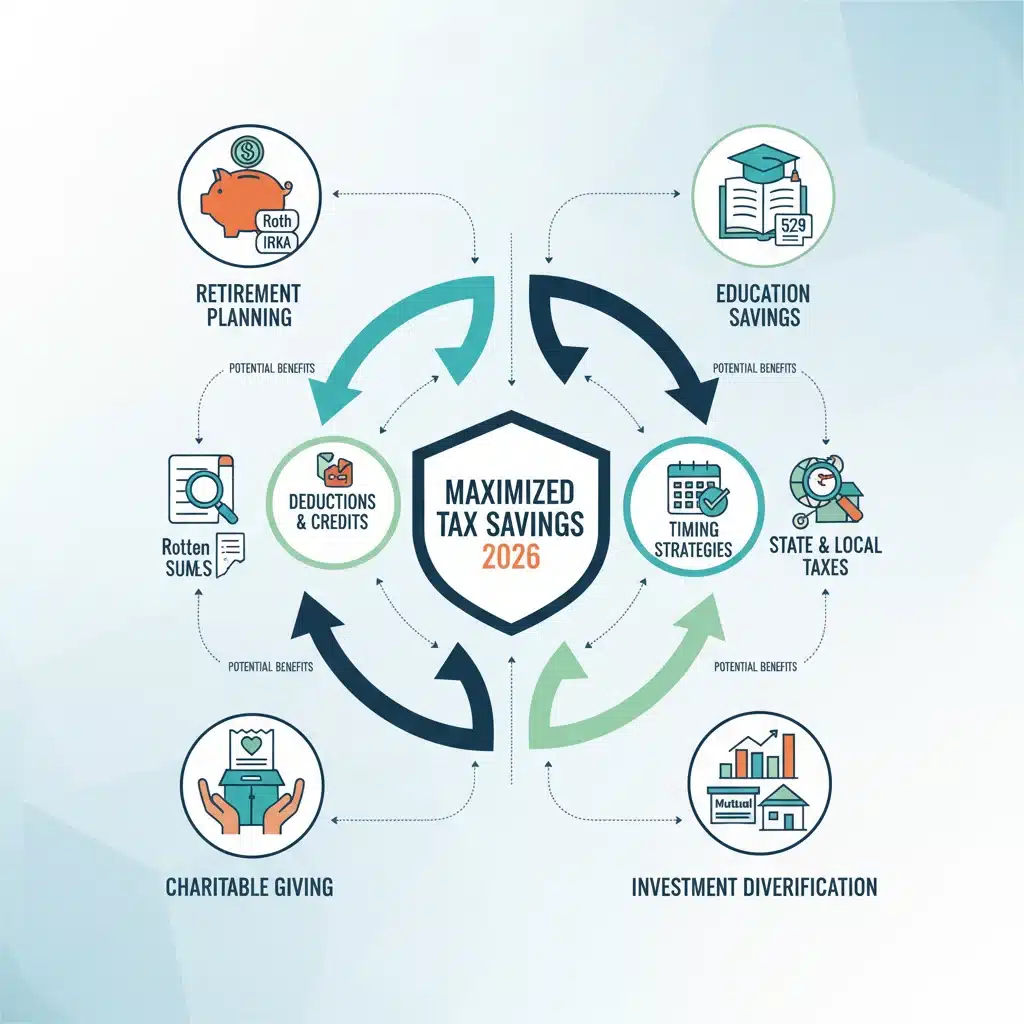
Adjusting Investment Strategies
Your investment strategy should also be reviewed in light of the upcoming tax changes. Consider the tax efficiency of your investment vehicles, such as utilizing tax-advantaged accounts like 401(k)s, IRAs, and HSAs. If capital gains rates are expected to change, you might consider accelerating or deferring sales of appreciated assets. Tax-loss harvesting, the practice of selling investments at a loss to offset capital gains and a limited amount of ordinary income, could become even more valuable.
Estate and Gift Tax Planning
The TCJA significantly increased the estate and gift tax exemption amounts. These higher exemption levels are also scheduled to sunset at the end of 2025, meaning they will revert to pre-TCJA levels, adjusted for inflation. For individuals with substantial wealth, this change could have significant implications for estate planning. Consulting with an estate planning attorney in conjunction with your tax advisor is crucial to understand how these potential changes impact your long-term wealth transfer goals.
Budgeting and Expense Tracking
Effective budgeting and diligent expense tracking are foundational to good tax planning. Knowing where your money goes allows you to identify potential deductions and credits more easily. Utilize financial software or simple spreadsheets to categorize your spending, making it easier to gather necessary documentation come tax time. This habit will be particularly beneficial as you navigate the intricacies of the tax code changes 2026.
The Importance of Staying Informed
The tax code is not static, and the period leading up to 2026 will likely be marked by ongoing discussions and potential legislative adjustments. Therefore, staying informed about the latest developments is paramount. Follow reputable financial news sources, subscribe to tax updates from professional organizations, and regularly check official IRS publications. While this article provides a comprehensive overview of anticipated tax code changes 2026, it’s a snapshot in time, and the situation may evolve.
Remember that tax planning is an ongoing process, not a one-time event. What works for your financial situation today might need to be adjusted in response to new tax laws. By maintaining a proactive approach, regularly reviewing your financial plan, and seeking expert advice when needed, you can confidently navigate the complexities of the 2026 tax environment and ensure you are maximizing every opportunity for savings.
Conclusion: Preparing for a New Tax Horizon
The impending tax code changes 2026 represent a significant juncture for all taxpayers. The sunset of key TCJA provisions will likely lead to a rebalancing of individual income tax rates, standard deductions, personal exemptions, and various itemized deductions. While these changes may seem daunting, they also present opportunities for savvy taxpayers to re-evaluate their financial strategies and optimize their tax positions.
By understanding the core changes, staying abreast of potential new legislation, and adopting proactive planning measures, you can transform potential challenges into opportunities. Maximizing deductions through strategic charitable giving, optimizing retirement contributions, and leveraging education-related benefits are just a few avenues to explore. Similarly, fully utilizing tax credits, such as the Child Tax Credit, education credits, and energy-efficient home credits, can directly reduce your tax liability.
Ultimately, successful navigation of the 2026 tax landscape hinges on a combination of knowledge, vigilance, and professional guidance. Begin your preparations now: review your financial situation, consult with a tax professional, adjust your investment strategies, and commit to ongoing education about tax policy. By doing so, you can ensure that you are not just reacting to the tax code changes 2026, but actively shaping your financial future to thrive within them. The time to plan is now, securing your financial well-being for the years to come.