Green Business Practices: Boost Brand, Cut Costs 10% by 2026

Anúncios
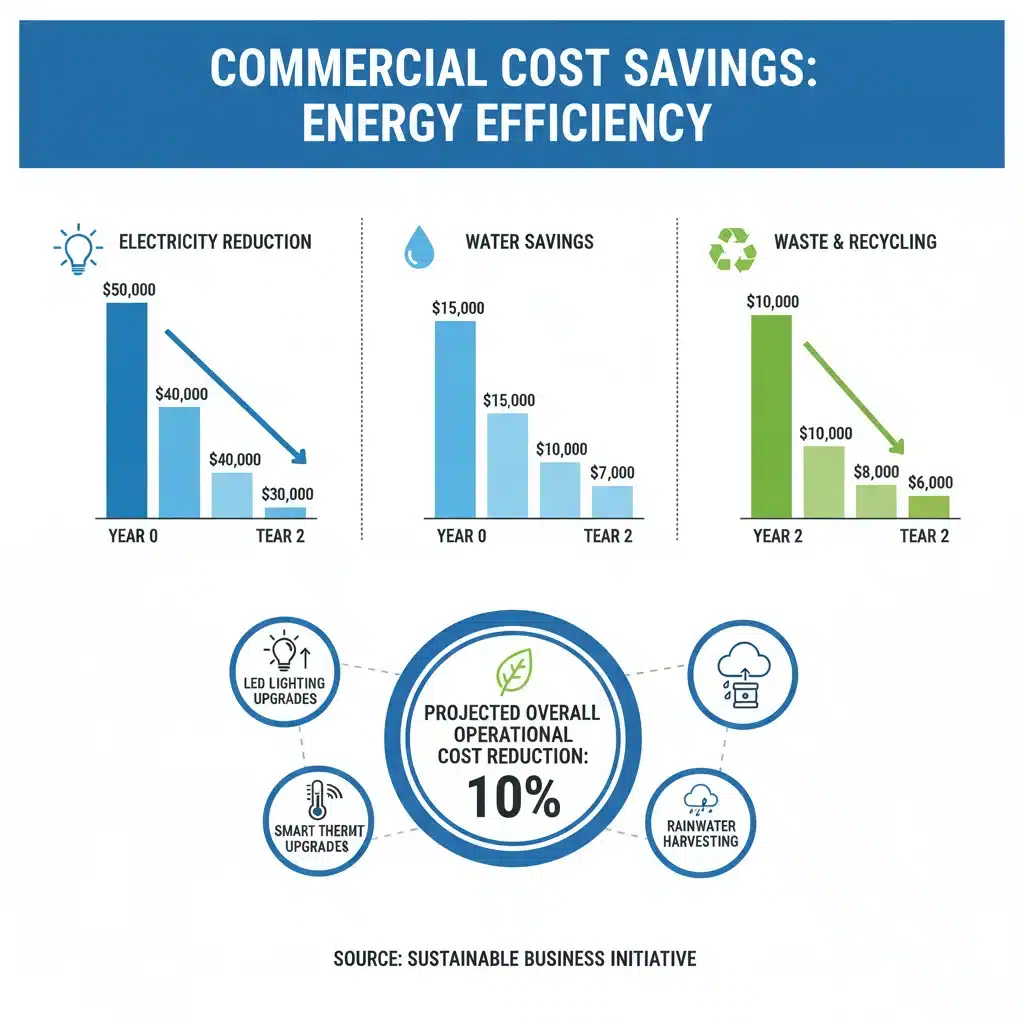
In an era defined by increasing environmental awareness and stringent regulations, the integration of green business practices is no longer a niche strategy but a fundamental imperative for sustained success. Businesses across the United States are recognizing that embracing sustainability is not merely about corporate social responsibility; it’s a powerful driver for enhancing brand value, attracting top talent, and, crucially, achieving significant operational cost reductions. Projections indicate that companies adopting robust green initiatives could see their operational costs decrease by as much as 10% in the US by 2026, alongside a substantial boost in brand perception and customer loyalty.
Anúncios
This comprehensive guide delves into the multifaceted benefits of integrating green business practices into your core operations. We will explore the strategic advantages, practical implementation steps, and the tangible financial and reputational returns that await forward-thinking organizations. From reducing your carbon footprint to optimizing resource consumption, the journey towards sustainability is a strategic investment that yields both immediate and long-term dividends.
The Economic Imperative of Green Business Practices
The notion that environmental responsibility comes at the expense of profitability is rapidly becoming an outdated one. Modern economic analysis consistently demonstrates that green business practices can lead to substantial cost savings. These savings are realized through various avenues, including reduced energy consumption, optimized waste management, and more efficient supply chains.
Energy Efficiency: A Direct Path to Cost Reduction
One of the most immediate and impactful areas for cost reduction through green business practices is energy efficiency. Businesses consume vast amounts of electricity, heating, and cooling, which often represent a significant portion of their operating expenses. Implementing energy-efficient technologies and practices can drastically cut these costs.
Anúncios
- LED Lighting Upgrades: Replacing traditional incandescent or fluorescent lighting with LED technology can reduce lighting energy consumption by 75% or more. The longevity of LEDs also means lower maintenance and replacement costs.
- HVAC Optimization: Modern heating, ventilation, and air conditioning (HVAC) systems are far more energy-efficient than older models. Smart thermostats, regular maintenance, and proper insulation can further reduce energy usage.
- Renewable Energy Integration: Investing in on-site solar panels or purchasing renewable energy credits can significantly lower utility bills and hedge against fluctuating energy prices. While the initial investment might be higher, the long-term savings and positive public relations are undeniable.
- Energy Audits: Conducting regular energy audits helps identify areas of inefficiency and pinpoint specific opportunities for improvement, ensuring that investments in energy-saving measures are targeted and effective.
Waste Reduction and Recycling: Turning Waste into Value
Waste management is another critical area where green business practices translate into financial savings. Reducing, reusing, and recycling not only minimizes environmental impact but also lowers disposal costs and can even create new revenue streams.
- Source Reduction: The most effective waste management strategy is to prevent waste from being created in the first place. This can involve optimizing packaging, digitizing documents, and using durable goods instead of disposables.
- Comprehensive Recycling Programs: Implementing robust recycling programs for paper, plastics, metals, and electronics reduces the volume of waste sent to landfills, thereby lowering tipping fees.
- Composting: For businesses in the food service or agricultural sectors, composting organic waste can reduce disposal costs and create valuable soil amendments.
- Waste-to-Energy Initiatives: Some businesses are exploring advanced waste-to-energy technologies, which convert non-recyclable waste into usable energy, further reducing reliance on traditional energy sources and mitigating disposal expenses.
Sustainable Supply Chain Management: Efficiency from Source to Consumer
A sustainable supply chain is inherently more efficient and resilient. By scrutinizing every stage of the product lifecycle, businesses can identify opportunities to reduce resource consumption, minimize waste, and streamline logistics, all of which contribute to cost savings.
- Local Sourcing: Sourcing materials and products locally reduces transportation costs and carbon emissions, while also supporting local economies.
- Eco-Friendly Materials: Opting for recycled, renewable, or sustainably harvested materials can sometimes be more cost-effective in the long run, especially when considering the reduced environmental impact and positive brand association.
- Optimized Logistics: Efficient route planning, consolidated shipments, and the use of fuel-efficient transportation methods can significantly cut fuel costs and delivery times.
- Supplier Engagement: Collaborating with suppliers to adopt their own green business practices ensures that sustainability is embedded throughout the entire value chain, leading to collective efficiencies and shared benefits.
Boosting Brand Value and Customer Loyalty with Green Practices
Beyond the direct financial benefits, adopting green business practices is a powerful strategy for enhancing brand reputation, attracting environmentally conscious consumers, and fostering a loyal customer base. In today’s market, consumers are increasingly willing to support brands that align with their values.
Meeting Consumer Demand for Sustainability
A growing segment of consumers, particularly millennials and Gen Z, prioritize sustainability when making purchasing decisions. They actively seek out products and services from companies that demonstrate a genuine commitment to environmental protection.
- Enhanced Brand Image: Companies with strong environmental credentials are often perceived as more ethical, trustworthy, and forward-thinking. This positive image can differentiate a brand in a crowded marketplace.
- Increased Customer Loyalty: When consumers feel that a brand shares their values, they are more likely to become repeat customers and advocates for the brand.
- Competitive Advantage: Early adopters of green business practices gain a significant competitive edge, positioning themselves as leaders in sustainability and attracting a growing segment of the market.
Attracting and Retaining Top Talent
The benefits of green business practices extend beyond customer perception to employee engagement and recruitment. A strong commitment to sustainability can make a company a more attractive employer.
- Employee Morale and Engagement: Employees, especially younger generations, are often proud to work for companies that are environmentally responsible. This can lead to higher morale, increased productivity, and reduced turnover.
- Recruitment Tool: Highlighting a company’s sustainability initiatives can be a powerful recruitment tool, attracting talented individuals who are seeking purpose-driven careers.
- Positive Work Environment: Green buildings and sustainable workplace practices can create healthier and more pleasant working environments, further boosting employee well-being and productivity.
Strengthening Investor Relations and Access to Capital
Investors are increasingly factoring environmental, social, and governance (ESG) performance into their investment decisions. Companies with strong ESG ratings are often seen as less risky and more resilient, making them more attractive to investors.
- Access to Green Capital: A growing number of funds and financial institutions are specifically targeting sustainable investments, offering preferential rates or terms to companies with strong green credentials.
- Reduced Risk Profile: Companies that proactively manage their environmental impact are less likely to face regulatory fines, litigation, or reputational damage, thereby reducing their overall risk profile.
- Long-Term Value Creation: Investors recognize that green business practices contribute to long-term value creation by fostering innovation, increasing efficiency, and building strong stakeholder relationships.
Key Strategies for Implementing Green Business Practices
Successfully integrating green business practices requires a strategic approach, commitment from leadership, and engagement across all levels of the organization. Here are key strategies to consider:
1. Conduct a Comprehensive Environmental Audit
Before embarking on any green initiative, it’s crucial to understand your current environmental footprint. An environmental audit assesses your company’s energy consumption, waste generation, water usage, and carbon emissions. This baseline data is essential for setting realistic goals and measuring progress.
- Identify Key Impact Areas: Pinpoint where your business has the most significant environmental impact. Is it energy, water, waste, or supply chain?
- Establish Metrics: Define measurable indicators for success, such as kilowatt-hours per square foot, tons of waste diverted from landfills, or gallons of water consumed per product.
- Benchmark Against Peers: Compare your performance against industry averages and best-in-class companies to identify areas for improvement and set ambitious targets.
2. Develop a Sustainability Policy and Goals
A formal sustainability policy outlines your company’s commitment to environmental responsibility and guides its actions. This policy should be integrated into your overall business strategy and supported by clear, measurable goals.
- Set SMART Goals: Goals should be Specific, Measurable, Achievable, Relevant, and Time-bound. For example, “Reduce electricity consumption by 15% by the end of 2025.”
- Allocate Resources: Ensure that adequate financial and human resources are dedicated to achieving your sustainability objectives.
- Communicate Internally and Externally: Share your policy and goals with employees, customers, investors, and other stakeholders to build support and accountability.
3. Invest in Green Technologies and Infrastructure
Technological advancements have made it easier and more cost-effective to adopt green business practices. Investing in sustainable infrastructure can yield significant long-term returns.
- Renewable Energy Systems: Explore options for solar, wind, or geothermal energy to power your operations.
- Water-Saving Fixtures: Install low-flow toilets, water-efficient irrigation systems, and smart water meters.
- Energy-Efficient Equipment: Upgrade to energy-star rated appliances, machinery, and IT equipment.
- Green Building Certifications: Consider pursuing certifications like LEED (Leadership in Energy and Environmental Design) for new construction or renovations, which can enhance efficiency and marketability.
4. Foster a Culture of Sustainability
For green business practices to be truly effective, they must be embraced by everyone in the organization. Cultivating a sustainability-focused culture is paramount.
- Employee Training and Education: Educate employees on the importance of sustainability and how their actions contribute to the company’s green goals.
- Incentivize Green Behavior: Recognize and reward employees who demonstrate sustainable practices, such as carpooling, reducing waste, or proposing eco-friendly solutions.
- Cross-Departmental Collaboration: Encourage teams to work together on sustainability projects, fostering a sense of shared responsibility and innovation.
- Lead by Example: Leadership must visibly champion sustainability initiatives, demonstrating their commitment through actions and decisions.
5. Engage with Stakeholders
Collaboration with external stakeholders, including suppliers, customers, and local communities, can amplify the impact of your green business practices.
- Sustainable Sourcing: Work with suppliers who share your commitment to sustainability and can provide eco-friendly materials and services.
- Customer Feedback: Solicit feedback from customers on your green initiatives and use their input to refine your strategies.
- Community Partnerships: Engage in local environmental projects, support green non-profits, and participate in community clean-up efforts. This builds goodwill and strengthens your brand’s connection to the community.

Measuring and Reporting on Green Performance
Transparency and accountability are crucial for demonstrating the credibility and impact of your green business practices. Regular measurement and reporting of your environmental performance are essential.
Key Performance Indicators (KPIs) for Sustainability
To effectively track progress, businesses should establish clear KPIs related to their sustainability goals. These might include:
- Carbon Footprint: Total greenhouse gas emissions (Scope 1, 2, and 3).
- Energy Consumption: Kilowatt-hours (kWh) used per unit of production or per employee.
- Water Usage: Gallons of water consumed per unit of production or per employee.
- Waste Diversion Rate: Percentage of waste diverted from landfills through recycling or composting.
- Sustainable Sourcing Percentage: Proportion of materials sourced from certified sustainable suppliers.
Sustainability Reporting Frameworks
Utilizing recognized reporting frameworks can help standardize your sustainability disclosures and enhance their credibility. Popular frameworks include:
- Global Reporting Initiative (GRI): A widely used framework for comprehensive sustainability reporting, covering economic, environmental, and social impacts.
- Sustainability Accounting Standards Board (SASB): Provides industry-specific standards for disclosing financially material sustainability information.
- Task Force on Climate-related Financial Disclosures (TCFD): Focuses on reporting climate-related financial risks and opportunities.
Regularly publishing sustainability reports demonstrates transparency, builds trust with stakeholders, and provides valuable data for internal decision-making.
Challenges and Opportunities in Adopting Green Business Practices
While the benefits are clear, implementing green business practices is not without its challenges. However, these challenges often present opportunities for innovation and competitive differentiation.
Initial Investment Costs
One of the primary hurdles is the upfront capital required for some green initiatives, such as installing solar panels or upgrading to energy-efficient machinery. However, government incentives, tax credits, and long-term operational savings often offset these initial costs, making the return on investment (ROI) highly attractive.
Regulatory Complexity
Navigating the complex landscape of environmental regulations can be challenging. Staying informed about local, state, and federal requirements is crucial. This challenge also presents an opportunity: companies that proactively exceed minimum compliance standards can gain a competitive advantage and avoid future penalties.
Supply Chain Transformation
Engaging an entire supply chain in green business practices can be complex, especially for global operations. This requires strong communication, collaboration, and sometimes, helping suppliers develop their own sustainability capabilities. The opportunity here is to build a more resilient, ethical, and efficient supply chain that can withstand future disruptions.
Consumer Education and Communication
While consumer demand for sustainable products is growing, effectively communicating your green efforts without “greenwashing” can be tricky. Authenticity and transparency are key. Businesses have an opportunity to educate their customers, tell their sustainability story, and build deeper connections based on shared values.
The Future of Green Business Practices in the US
The trajectory for green business practices in the US is one of accelerated growth and increasing integration into mainstream business operations. As climate change concerns intensify and regulatory pressures mount, sustainability will transition from a “nice-to-have” to a “must-have” for all enterprises.
- Technological Advancements: Continuous innovation in renewable energy, circular economy models, and sustainable materials will make green solutions more accessible and affordable.
- Policy and Regulatory Support: Government policies are expected to continue evolving, offering more incentives for green investments and imposing stricter environmental standards.
- Investor Pressure: ESG factors will become even more central to investment decisions, driving companies to prioritize sustainability for financial viability.
- Consumer Activism: A more informed and vocal consumer base will continue to demand greater transparency and accountability from businesses regarding their environmental impact.
Companies that proactively embrace green business practices now will be better positioned to navigate these future trends, capitalize on emerging opportunities, and secure a competitive advantage in the evolving global economy. The projected 10% reduction in operational costs by 2026 is not just a target; it’s a testament to the tangible financial rewards awaiting those who commit to a sustainable future.
Conclusion
The imperative to adopt green business practices is clearer than ever. It represents a confluence of ethical responsibility, strategic business advantage, and a pathway to long-term profitability. By committing to energy efficiency, waste reduction, sustainable supply chains, and a culture of environmental stewardship, businesses in the US can not only significantly reduce operational costs—potentially by 10% by 2026—but also dramatically enhance their brand value, attract and retain top talent, and build resilience in an unpredictable world. The transition to a greener economy is not just good for the planet; it’s excellent for business.
Embracing sustainability is an ongoing journey that requires continuous innovation, adaptation, and commitment. However, the rewards—both financial and reputational—are substantial, making green business practices an indispensable component of any forward-looking corporate strategy. The time to act is now, to secure a more prosperous and sustainable future for your business and for generations to come.