Inflationary Pressures: US Economy Q3 2026 & 3.5% CPI Forecast
Anúncios
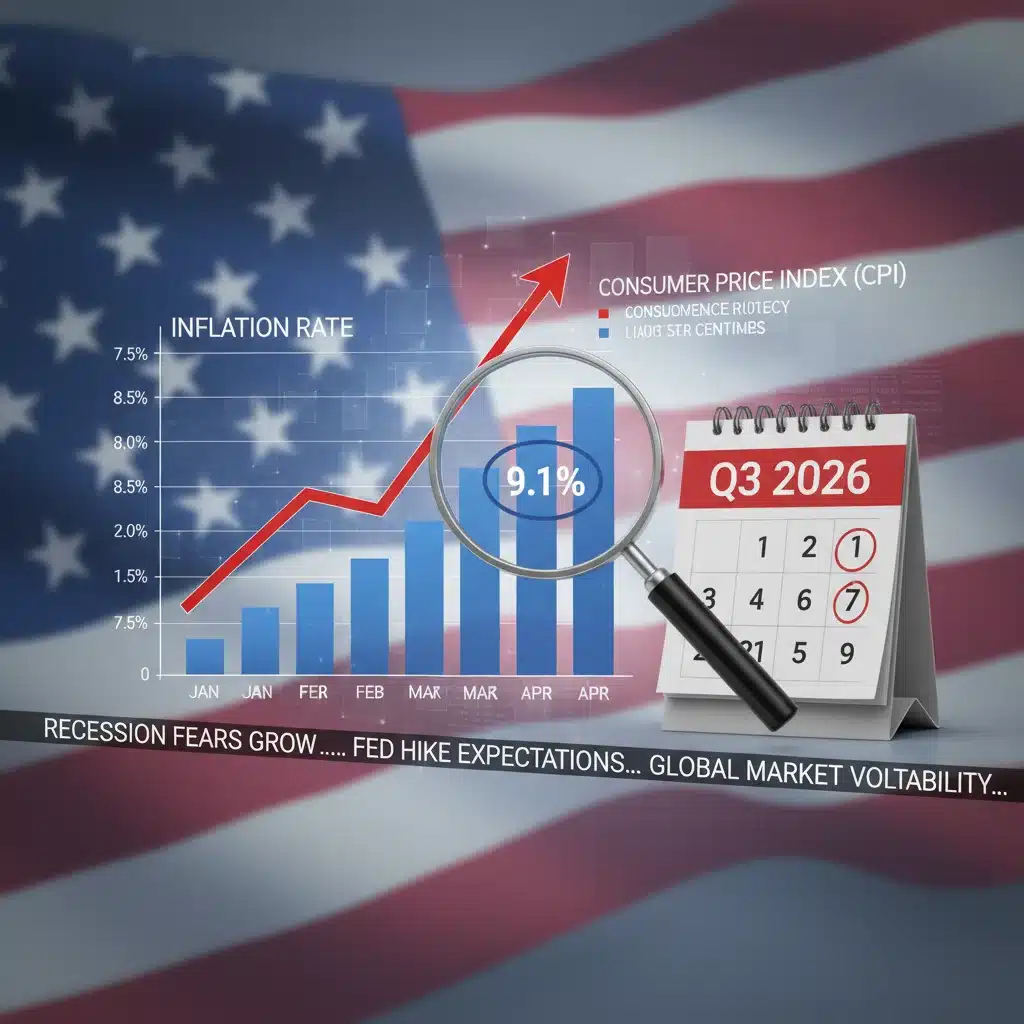
The economic landscape is a constantly evolving tapestry, woven with threads of policy decisions, global events, and consumer behavior. As we look ahead to Q3 2026, one of the most significant threads demanding our attention is the persistent presence of inflationary pressures on the US economy. Projections indicate a Consumer Price Index (CPI) potentially hovering around 3.5%, a figure that, while perhaps lower than recent peaks, still signifies a notable erosion of purchasing power and calls for strategic navigation from both businesses and consumers. Understanding this US Inflation Outlook 2026 is paramount for informed decision-making.
Anúncios
This comprehensive analysis delves deep into the anticipated drivers behind this forecast, examining the multifaceted factors that contribute to the ongoing inflationary environment. We will explore the lingering effects of supply chain disruptions, the dynamics of labor markets, the influence of fiscal and monetary policies, and the role of global commodity prices. Furthermore, we will dissect the potential impacts of a 3.5% CPI on various sectors of the economy, from corporate profitability and investment strategies to household budgets and consumer spending patterns. Finally, we will offer actionable insights and strategies for individuals and organizations to mitigate risks and capitalize on opportunities in this evolving economic climate.
Understanding the Current Inflationary Context and the US Inflation Outlook 2026
Before we project forward to Q3 2026, it’s crucial to contextualize the current inflationary environment. The post-pandemic era has been characterized by a unique confluence of factors that have fueled price increases. Initial surges were largely attributed to robust consumer demand, amplified by fiscal stimulus, clashing with severely disrupted global supply chains. As these immediate pressures began to ease, new challenges emerged, leading to a more entrenched form of inflation.
Anúncios
The Persistent Drivers of Inflation
Several key drivers are expected to continue influencing the US Inflation Outlook 2026, potentially pushing the CPI to the projected 3.5% range:
- Supply Chain Normalization (But Not Full Recovery): While many supply chain bottlenecks have improved since their peak, a complete return to pre-pandemic efficiency is unlikely by Q3 2026. Geopolitical tensions, climate-related events, and a strategic shift towards reshoring or ‘friend-shoring’ production could keep logistics costs elevated and limit supply responsiveness. This ongoing friction in global trade networks will continue to exert upward pressure on prices for goods.
- Labor Market Dynamics: The US labor market has shown remarkable resilience, with low unemployment rates and consistent wage growth. While wage growth is beneficial for workers, if it outpaces productivity gains, it can contribute to a wage-price spiral, where businesses pass on higher labor costs to consumers through increased prices. This dynamic will be a critical factor in the US Inflation Outlook 2026.
- Energy Prices: Global energy markets remain volatile, susceptible to geopolitical conflicts, OPEC+ decisions, and shifts in global demand. A sustained increase in oil and natural gas prices directly impacts transportation costs for goods and services, as well as utility bills for households and businesses, feeding into broader inflation.
- Housing Costs: Housing, a significant component of the CPI, continues to be a major contributor to inflation. While mortgage rates have risen, strong demand, limited inventory, and rising construction costs keep rental prices and owner’s equivalent rent (OER) elevated. These structural issues in the housing market are not expected to resolve quickly, maintaining upward pressure on the overall CPI.
- Fiscal and Monetary Policy Stance: The Federal Reserve’s actions, particularly regarding interest rates, will play a pivotal role. While higher rates are designed to cool the economy and curb inflation, their full impact can take time to materialize. The government’s fiscal policy – spending and taxation – also influences aggregate demand and, consequently, price levels. The interplay between these policies will shape the US Inflation Outlook 2026 significantly.
- Consumer Expectations: Inflationary expectations can become self-fulfilling. If consumers anticipate higher prices, they may demand higher wages or make purchases sooner, further fueling price increases. Managing these expectations is a key challenge for policymakers.
Projecting the 3.5% CPI for Q3 2026: A Detailed Breakdown
The 3.5% CPI projection for Q3 2026 suggests a moderation from the peaks observed in 2022 and early 2023, but it also indicates that inflation will likely remain above the Federal Reserve’s long-term target of 2%. This implies a ‘sticky’ inflation, where certain components of the price index remain stubbornly high.
Sector-Specific Contributions to the US Inflation Outlook 2026
To understand how we arrive at 3.5%, it’s useful to consider the likely performance of different sectors:
- Services Sector (Sticky Inflation): Services, including healthcare, education, and personal services, are heavily influenced by labor costs and tend to be less volatile than goods. Wage growth in these sectors is likely to keep price increases elevated, forming a ‘sticky’ floor for inflation. We anticipate services inflation to remain above 4% in Q3 2026.
- Goods Sector (Moderating but Volatile): Prices for durable and non-durable goods have seen significant swings. As supply chains normalize further, and if consumer demand for goods softens slightly, we might see goods inflation moderate closer to 2-3%. However, external shocks (e.g., new tariffs, commodity price spikes) could quickly reverse this trend.
- Food and Energy (High Volatility): These categories are notoriously volatile due to their dependence on global supply, geopolitical events, and weather patterns. While some moderation from recent highs is possible, the risk of renewed price surges remains considerable. Our 3.5% projection assumes some stability here, but any significant disruption could push the overall CPI higher.
- Housing (Persistent Pressure): As mentioned, housing costs, particularly rent and OER, are expected to continue their upward trajectory, albeit potentially at a slower pace than in recent years. This will be a significant factor in maintaining the overall CPI above the 2% target.
The aggregation of these sector-specific trends, weighted by their contribution to the overall CPI basket, leads to the 3.5% projection for the US Inflation Outlook 2026. This figure represents a delicate balance between persistent cost pressures and the dampening effects of monetary policy.
Impacts of a 3.5% CPI on the US Economy
A sustained 3.5% CPI has far-reaching implications for various stakeholders within the US economy. Understanding these impacts is crucial for strategic planning.
For Businesses: Navigating Cost Pressures and Consumer Behavior
Businesses will face a dual challenge: managing rising input costs while maintaining competitiveness and profitability. The US Inflation Outlook 2026 suggests continued vigilance.
- Increased Operating Costs: Higher prices for raw materials, energy, and labor will directly impact production costs. Businesses will need to carefully evaluate their pricing strategies, potentially passing on some costs to consumers, but risking demand destruction if prices become too high.
- Supply Chain Resilience: The need for resilient and diversified supply chains will remain paramount. Companies that have invested in near-shoring, multi-sourcing, or inventory optimization will be better positioned to absorb shocks and manage costs effectively.
- Wage Demands: Employees will likely continue to seek wage increases to offset the erosion of their purchasing power. Businesses will need to balance competitive compensation with productivity gains to avoid margin compression.
- Investment Decisions: Higher interest rates, a tool used to combat inflation, will increase the cost of borrowing for businesses, potentially dampening investment in expansion, R&D, and capital expenditures. This could slow overall economic growth.
- Consumer Spending Shifts: With less discretionary income, consumers may prioritize essential goods and services, trade down to cheaper alternatives, or delay large purchases. Businesses in non-essential sectors may experience reduced demand.

For Consumers: Erosion of Purchasing Power and Financial Planning
For average households, a 3.5% CPI means a continued reduction in real income, even if nominal wages are rising. The US Inflation Outlook 2026 demands careful personal financial management.
- Reduced Purchasing Power: Every dollar earned buys less, forcing households to make difficult choices about spending and saving. This is particularly challenging for low-income households, who spend a larger proportion of their income on necessities.
- Higher Cost of Living: Essential expenses like food, housing, transportation, and utilities will remain elevated, straining household budgets.
- Savings and Investments: While higher interest rates might benefit savers, the real return on savings could still be negative if inflation outpaces interest earnings. Investors will need to consider inflation-hedging strategies, such as investments in inflation-protected securities or real assets.
- Debt Management: For those with variable-rate debt, higher interest rates will increase monthly payments. Managing debt effectively becomes even more critical in an inflationary environment.
For Policymakers: The Tightrope Walk Between Inflation and Recession
The Federal Reserve and the US government face a delicate balancing act. The US Inflation Outlook 2026 presents ongoing challenges.
- Monetary Policy: The Fed’s primary goal will be to bring inflation down to its 2% target without triggering a severe recession. This involves carefully adjusting interest rates and managing the money supply. Premature easing could reignite inflation, while excessive tightening could stifle growth.
- Fiscal Policy: Government spending and taxation policies will also influence aggregate demand. Policymakers will need to consider how their fiscal decisions interact with monetary policy to achieve economic stability.
- Structural Reforms: Addressing underlying structural issues, such as housing supply shortages or labor market inefficiencies, could help alleviate long-term inflationary pressures.
Strategies for Adapting to the US Inflation Outlook 2026
Given the anticipated 3.5% CPI for Q3 2026, proactive strategies are essential for both businesses and individuals.
Strategies for Businesses
- Optimize Supply Chains: Continue to diversify suppliers, explore near-shoring or reshoring options, and invest in inventory management technologies to reduce vulnerabilities and costs.
- Enhance Productivity: Invest in automation, technology, and employee training to boost efficiency and offset rising labor costs. This can help maintain margins without solely relying on price increases.
- Dynamic Pricing Strategies: Implement flexible pricing models that can adapt to changing input costs and market conditions. However, communicate clearly with customers to maintain trust.
- Cost-Saving Initiatives: Conduct thorough reviews of operational expenses, identify areas for reduction, and negotiate favorable terms with suppliers.
- Focus on Value: In an environment where consumers are more price-sensitive, emphasize the unique value proposition of products and services. Innovation and differentiation can help maintain market share.
- Financial Hedging: Consider hedging strategies for commodity prices or foreign exchange rates if applicable, to mitigate volatility in input costs.
Strategies for Consumers
- Budgeting and Expense Tracking: Meticulously track income and expenses to identify areas where spending can be reduced or optimized. Prioritize essential needs.
- Seek Higher-Yield Savings: Explore high-yield savings accounts, money market accounts, or short-term certificates of deposit (CDs) to earn a better return on cash, even if it’s still below the inflation rate.
- Review Investment Portfolios: Consult with a financial advisor to ensure your investment portfolio is adequately diversified and includes assets that historically perform well during inflationary periods, such as real estate, commodities, or inflation-protected securities.
- Manage Debt Wisely: Prioritize paying down high-interest debt, especially variable-rate loans, to minimize the impact of rising interest rates.
- Increase Income: Explore opportunities for side hustles, skill development, or negotiating salary increases to keep pace with the rising cost of living.
- Smart Shopping: Look for sales, use coupons, buy in bulk when appropriate, and consider store brands to save on groceries and other necessities.

Potential Scenarios and Risks for the US Inflation Outlook 2026
While a 3.5% CPI is a central projection, it’s important to consider alternative scenarios and risks that could alter this outlook.
Upside Risks (Higher Inflation)
- Escalation of Geopolitical Conflicts: New or intensifying conflicts could disrupt global energy and commodity markets, leading to fresh price spikes.
- Persistent Wage-Price Spiral: If wage growth continues to outpace productivity significantly, and businesses pass these costs directly to consumers, inflation could become more entrenched.
- Aggressive Fiscal Stimulus: Any substantial new government spending programs not offset by revenue could inject too much demand into the economy, reigniting inflationary pressures.
- Supply Shocks: Unforeseen events like major natural disasters or new global pandemics could cause renewed supply chain disruptions.
- Weakening Dollar: A significant depreciation of the US dollar would make imports more expensive, contributing to domestic inflation.
Downside Risks (Lower Inflation or Deflation)
- Deeper Economic Slowdown/Recession: A more severe economic downturn than anticipated could significantly dampen demand, leading to price declines.
- Rapid Technological Advancements: Breakthroughs in automation or production technologies could lead to significant cost reductions, pushing prices down.
- Sharp Decline in Commodity Prices: A global oversupply of key commodities or a significant drop in demand could lead to lower energy and raw material costs.
- Effective Monetary Policy: If the Federal Reserve’s policies prove more effective than anticipated in cooling the economy without triggering a hard landing, inflation could fall below 3.5%.
Conclusion: Navigating the US Inflation Outlook 2026 with Foresight
The US Inflation Outlook 2026, with a projected 3.5% CPI for Q3, signals a continued period of elevated prices, albeit potentially more stable than recent tumultuous years. This environment demands a proactive and adaptive approach from all economic participants. For businesses, it necessitates a focus on operational efficiency, supply chain resilience, and thoughtful pricing strategies. For consumers, it underscores the importance of diligent financial planning, smart spending, and strategic investment choices.
Policymakers, particularly the Federal Reserve, will continue to walk a tightrope, aiming to bring inflation back to target without stifling economic growth. The interplay of global events, domestic policies, and individual economic decisions will ultimately determine the precise trajectory of inflation. By understanding the underlying drivers, potential impacts, and strategic responses outlined in this analysis, businesses and individuals can better prepare to navigate the complexities of the US economy in Q3 2026 and beyond. Staying informed and agile will be key to thriving in this persistent inflationary landscape.