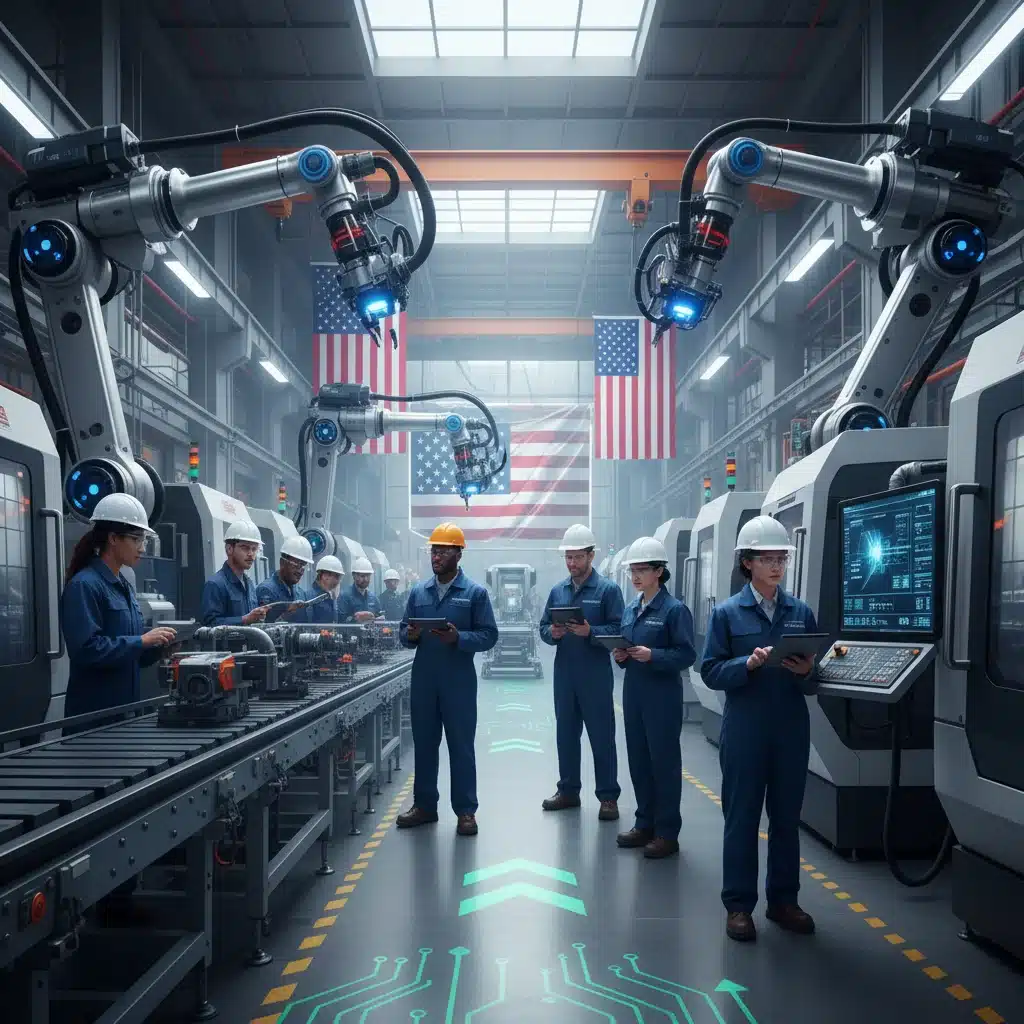
The landscape of global commerce is constantly shifting, and few sectors exemplify this dynamism more than manufacturing. For decades, the allure of lower labor costs drove production overseas, leading to a significant decline in domestic manufacturing capabilities in many Western nations, including the United States. However, a profound reversal is underway. The US Manufacturing Outlook 2026 projects a robust resurgence, with reshoring trends driving an anticipated 6% increase in domestic production. This isn’t merely a statistical blip; it represents a fundamental recalibration of economic priorities, supply chain strategies, and national resilience.
This comprehensive article will delve into the multifaceted factors contributing to this optimistic forecast for US Manufacturing Reshoring. We will explore the economic imperatives, geopolitical considerations, technological advancements, and policy frameworks that are collectively fueling this shift. From the boardroom decisions of multinational corporations to the everyday impact on American communities, the implications of this manufacturing renaissance are far-reaching and transformative.
Anúncios
Understanding the Reshoring Phenomenon: A Strategic Imperative
Reshoring, the process of bringing manufacturing production back to a company’s home country, is not a new concept, but its current momentum is unprecedented. The COVID-19 pandemic served as a stark wake-up call, exposing the fragilities of extended global supply chains. Disruptions in international shipping, factory closures abroad, and geopolitical tensions highlighted the critical need for greater control over essential production processes. This vulnerability, coupled with evolving economic factors, has propelled US Manufacturing Reshoring to the forefront of corporate and national strategies.
The motivations behind reshoring are diverse and often interconnected. Initially, the primary driver for offshoring was cost reduction. However, the true cost of global manufacturing extends far beyond direct labor expenses. Hidden costs, such as increased shipping fees, longer lead times, intellectual property risks, quality control challenges, and the complexities of managing geographically dispersed operations, have begun to erode the perceived savings. As these hidden costs become more apparent, the economic calculus for domestic production grows increasingly favorable.
Anúncios
Moreover, consumer preferences are evolving. There’s a growing demand for products made locally, often associated with higher quality, ethical labor practices, and reduced environmental impact. Companies that can proudly display ‘Made in USA’ labels often gain a competitive edge, tapping into a patriotic sentiment and a desire for transparency. This market demand acts as a powerful incentive for businesses to reconsider their manufacturing footprints and invest in US Manufacturing Reshoring initiatives.
Economic Drivers: Beyond Labor Costs
While labor costs once dominated the offshoring narrative, several other economic factors are now making domestic production more attractive. Automation and advanced manufacturing technologies, such as robotics, artificial intelligence, and 3D printing, are significantly reducing the reliance on low-cost manual labor. These technologies not only enhance efficiency and productivity but also enable greater customization and faster time-to-market, which are crucial in today’s rapidly changing consumer landscape. Investing in these technologies domestically allows companies to maintain a competitive edge without the logistical headaches of international operations.
Furthermore, the rising cost of energy and transportation, coupled with increased tariffs and trade barriers, has made international supply chains more expensive and unpredictable. The ability to produce closer to the end consumer reduces these costs and mitigates risks associated with fluctuating fuel prices and geopolitical instability. The stability of the US regulatory environment and legal protections also offers a level of predictability that can be challenging to find in some overseas markets. This holistic view of costs, encompassing everything from production to delivery and risk management, increasingly favors US Manufacturing Reshoring.
The availability of skilled labor, while a challenge in certain areas, is also being addressed through targeted educational programs and vocational training initiatives. Government and industry partnerships are working to cultivate a new generation of manufacturing professionals equipped with the skills needed for advanced manufacturing processes. This investment in human capital is vital for sustaining the growth projected in the US Manufacturing Outlook 2026.
Geopolitical Landscape and Supply Chain Resilience
The geopolitical climate plays an increasingly critical role in manufacturing decisions. Recent global events, including trade disputes, sanctions, and regional conflicts, have underscored the risks of over-reliance on single-source or politically unstable regions for critical components and finished goods. National security concerns, particularly in sectors like defense, pharmaceuticals, and critical technologies, are compelling governments and corporations to prioritize domestic production and diversify supply chains.
Building resilient supply chains is no longer just a buzzword; it’s a strategic imperative. Companies are seeking to reduce their exposure to disruptions by shortening supply lines, diversifying suppliers, and bringing key production stages closer to home. This focus on resilience is a major catalyst for US Manufacturing Reshoring. By producing domestically, companies can gain greater visibility and control over their supply chains, respond more quickly to market demands, and adapt more effectively to unforeseen challenges. This translates into more reliable delivery, reduced inventory holding costs, and ultimately, greater customer satisfaction.
The emphasis on supply chain resilience is not just about avoiding future crises; it’s also about fostering innovation. When design, engineering, and manufacturing are co-located, collaboration becomes more seamless, leading to faster product development cycles and more innovative solutions. This synergy is a powerful advantage for companies looking to stay ahead in competitive global markets.
Technological Advancements Fueling the Resurgence
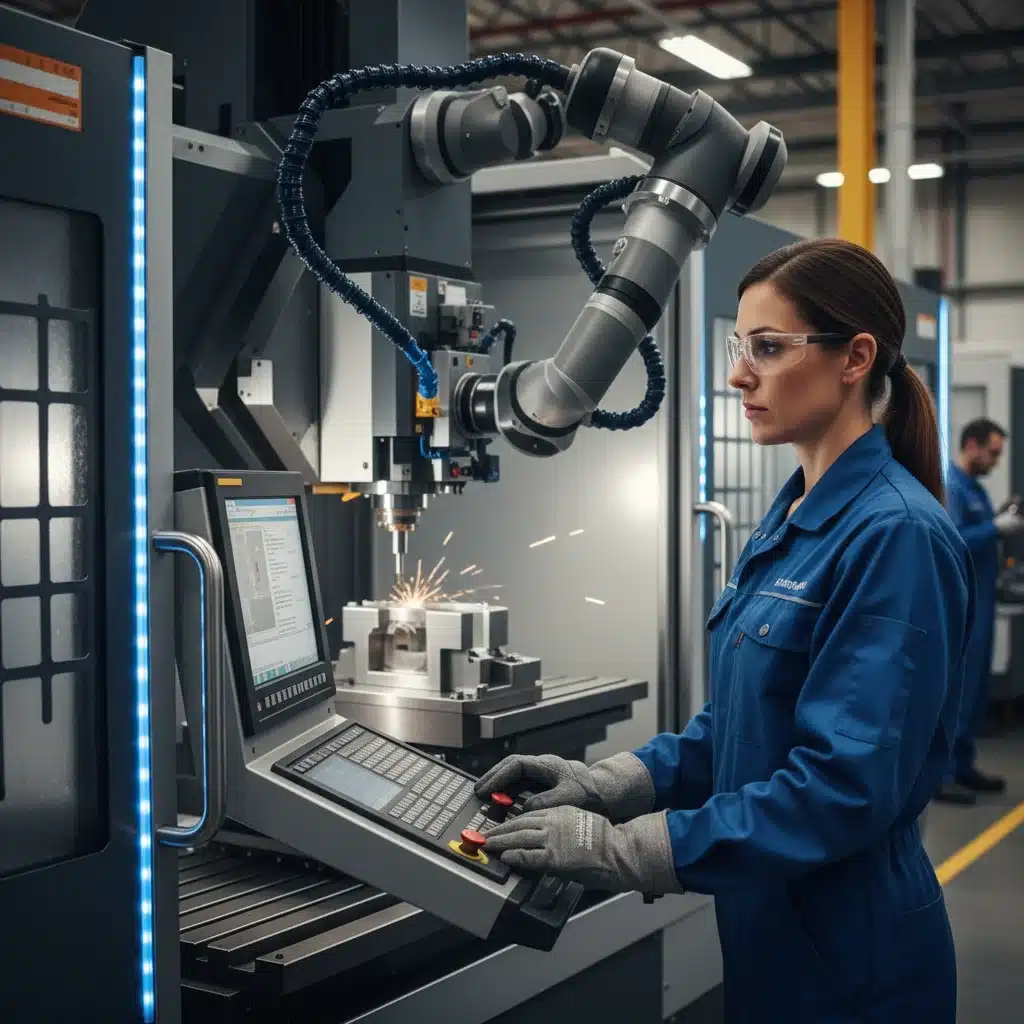
The fourth industrial revolution, or Industry 4.0, is fundamentally transforming manufacturing. Technologies such as Artificial Intelligence (AI), the Internet of Things (IoT), advanced robotics, big data analytics, and cloud computing are making domestic production more competitive and efficient than ever before. These innovations enable smart factories that can optimize production processes, predict maintenance needs, and adapt to changing demands in real-time. The integration of these technologies significantly reduces the labor cost advantage of overseas manufacturing, making US Manufacturing Reshoring a more viable and attractive option.
Robotics, in particular, has seen rapid advancements, becoming more affordable, versatile, and collaborative. Collaborative robots (cobots) can work alongside human employees, taking on repetitive or dangerous tasks, thereby increasing productivity and improving workplace safety. AI-driven analytics can optimize everything from inventory management to quality control, leading to fewer defects and reduced waste. These technological leaps are not just about doing things faster; they are about doing things smarter, more efficiently, and with greater precision.
Additive manufacturing, or 3D printing, is another game-changer. It allows for the production of complex parts and prototypes on demand, reducing lead times and the need for extensive tooling. This technology is particularly beneficial for specialized components and for creating highly customized products, further enhancing the appeal of domestic production. The ability to iterate and innovate rapidly, close to the market, is a significant advantage offered by these advanced manufacturing techniques, bolstering the prospects for US Manufacturing Reshoring.
Policy Support and Government Initiatives
The US government has recognized the strategic importance of strengthening domestic manufacturing and has implemented various policies and incentives to encourage reshoring. Initiatives aimed at investing in infrastructure, workforce development, and research and development are crucial for creating an environment conducive to manufacturing growth. Tax incentives, grants, and subsidies for companies that bring production back to the US further sweeten the deal, making the financial case for reshoring even stronger.
Legislation like the CHIPS and Science Act, for example, is specifically designed to boost domestic semiconductor manufacturing, a critical sector with significant national security implications. Such targeted policies demonstrate a clear commitment to fostering US Manufacturing Reshoring in key strategic industries. These initiatives not only provide direct financial support but also signal a long-term commitment to rebuilding America’s industrial base, instilling confidence in businesses considering a return to domestic production.
Furthermore, government support for vocational training and STEM education programs is vital for ensuring a skilled workforce capable of operating and innovating within advanced manufacturing environments. Partnerships between educational institutions, industry, and government are essential for bridging the skills gap and preparing the next generation for high-tech manufacturing jobs. This holistic approach, combining financial incentives with workforce development, is critical for realizing the ambitious goals outlined in the US Manufacturing Outlook 2026.
Impact on Employment and Regional Development
The reshoring trend has significant implications for employment and regional economic development across the United States. Bringing manufacturing jobs back home creates direct employment opportunities in factories, as well as indirect jobs in supporting industries such as logistics, services, and technology. These jobs often pay well and provide stable career paths, contributing to the economic vitality of communities.
Moreover, manufacturing facilities often act as anchors for local economies, attracting other businesses and fostering a vibrant ecosystem of suppliers and service providers. This can lead to a multiplier effect, where each manufacturing job supports several others in the surrounding community. Areas that have experienced industrial decline are now seeing renewed investment and job creation, offering a path to economic revitalization.
The focus on advanced manufacturing also means that new jobs often require higher skills, leading to increased demand for education and training. This can elevate the overall skill level of the workforce and create opportunities for career advancement. The geographical distribution of these new manufacturing jobs is also important, with many opportunities emerging in diverse regions, not just traditional industrial hubs. This regional dispersion of economic activity contributes to more balanced national growth and reduces economic disparities.

Challenges and Considerations for Sustained Growth
While the outlook for US Manufacturing Reshoring is largely positive, it’s essential to acknowledge the challenges that need to be addressed for sustained growth. One of the primary concerns is the availability of a skilled workforce. While efforts are underway to address this, the demand for workers proficient in advanced manufacturing technologies continues to outpace supply. Bridging this skills gap will require ongoing investment in education, apprenticeships, and retraining programs.
Another challenge is the initial capital investment required for establishing or upgrading manufacturing facilities. Reshoring often involves significant upfront costs for land, buildings, machinery, and technology. While government incentives can help, companies still need to make substantial financial commitments. The regulatory environment, while stable, can also be complex, requiring careful navigation of permitting, environmental, and labor laws.
Furthermore, competition from established global manufacturing hubs remains a factor. While the cost advantages of overseas production are diminishing, they have not disappeared entirely. Companies must continuously innovate and leverage technology to maintain competitiveness. This requires a long-term vision and a commitment to continuous improvement in productivity and efficiency. Addressing these challenges effectively will be crucial for realizing the full potential of the 6% increase in domestic production projected for 2026.
Success Stories and Future Prospects
Numerous companies across various sectors are already demonstrating the viability and benefits of US Manufacturing Reshoring. From automotive and electronics to textiles and pharmaceuticals, businesses are successfully bringing production back to American soil. These success stories serve as powerful examples, inspiring other companies to consider similar moves and contributing to the overall positive momentum.
For instance, major technology companies are investing billions in new semiconductor fabrication plants in the US, driven by both national security concerns and the desire for greater supply chain control. Apparel brands are finding success with ‘made-to-order’ models enabled by domestic production, allowing them to respond rapidly to fashion trends and reduce waste. Medical device manufacturers are prioritizing domestic production to ensure the availability of critical healthcare supplies, especially after the lessons learned from the pandemic.
Looking ahead, the US Manufacturing Outlook 2026 suggests that this trend will only accelerate. The confluence of technological advancements, strategic policy support, and an increasing emphasis on supply chain resilience creates a fertile ground for continued growth. As companies become more adept at leveraging automation and digital tools, and as the workforce adapts to new skill requirements, the competitiveness of US manufacturing will further strengthen. The projected 6% increase in domestic production is not just a target; it’s a testament to a strategic shift that promises to reshape the American economic landscape for decades to come.
Conclusion: A New Era for American Manufacturing
The anticipated 6% increase in domestic production by 2026, driven by robust US Manufacturing Reshoring trends, marks a pivotal moment for the American economy. This resurgence is a testament to a complex interplay of economic necessity, geopolitical realities, and technological innovation. While challenges remain, the strategic imperative to build resilient, efficient, and technologically advanced manufacturing capabilities within the United States is clear.
As businesses continue to re-evaluate their global footprints, the advantages of domestic production – including reduced lead times, enhanced quality control, mitigated supply chain risks, and access to a skilled workforce – are becoming increasingly compelling. The proactive role of government policies and investments in infrastructure and workforce development will be crucial in sustaining this momentum and ensuring that the US remains a leader in advanced manufacturing.
The US Manufacturing Outlook 2026 paints a picture of a revitalized industrial sector, contributing significantly to job creation, economic growth, and national security. This isn’t just about bringing jobs back; it’s about building a stronger, more resilient, and more innovative America. The future of manufacturing is being forged here, at home, and the benefits will resonate across industries and communities for generations to come.