Agricultural Commodities Outlook 2026: A 20% Price Volatility Forecast for Key Grains
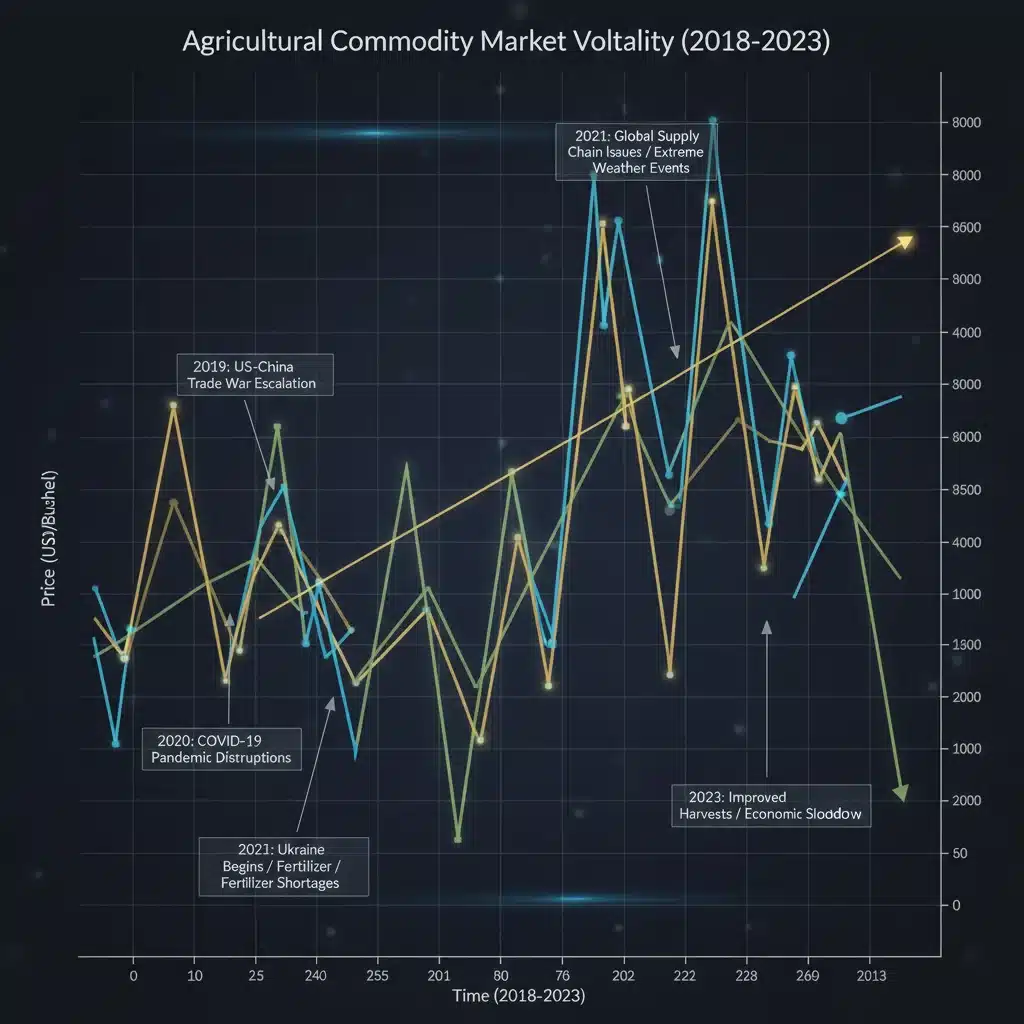
The global agricultural landscape is constantly evolving, influenced by a myriad of factors ranging from climate patterns to geopolitical tensions. As we look ahead to 2026, the agricultural commodities outlook presents a picture of heightened uncertainty, with projections indicating a significant 20% price volatility for key grains. This forecast is not merely a statistical anomaly; it represents a complex interplay of supply and demand dynamics, environmental challenges, economic policies, and shifting consumer behaviors that will undoubtedly shape global food security and market stability.
Anúncios
Understanding this impending volatility is crucial for farmers, investors, policymakers, and consumers alike. The implications extend far beyond the trading floors, impacting everything from the cost of your morning bread to the stability of national economies. This comprehensive analysis delves into the core drivers behind the anticipated price swings, examines the potential financial ramifications, and outlines strategic approaches to navigate what promises to be a turbulent period in the agricultural commodities market.
Understanding the Drivers of 20% Price Volatility in Agricultural Commodities
The projected 20% price volatility in the agricultural commodities outlook for 2026 is not a standalone event but rather the culmination of several powerful, interconnected forces. To truly grasp the magnitude of this forecast, we must dissect these underlying drivers:
Anúncios
Climate Change and Extreme Weather Events
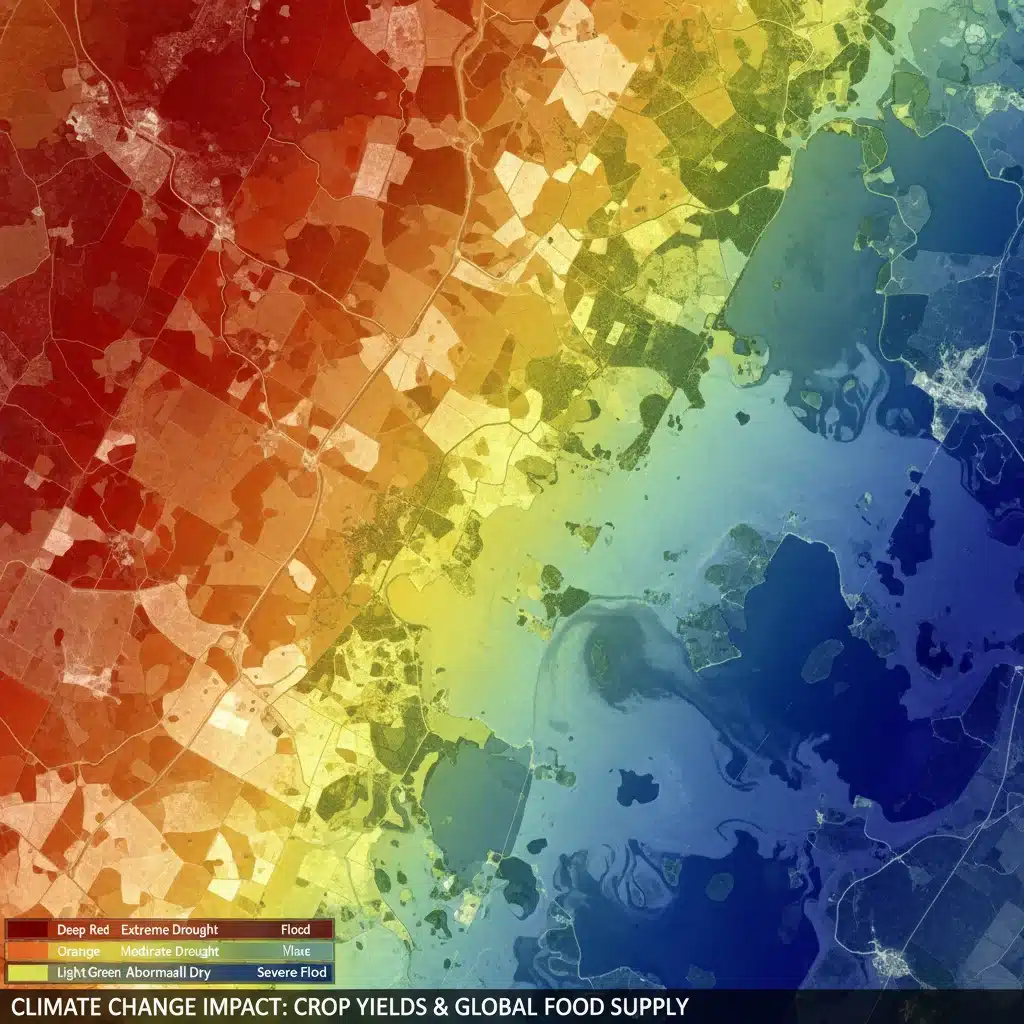
Perhaps the most potent and increasingly unpredictable factor is climate change. We are witnessing an escalation in the frequency and intensity of extreme weather events – prolonged droughts, devastating floods, unseasonal frosts, and heatwaves. These events directly impact crop yields, reduce arable land, and disrupt planting and harvesting cycles. A significant portion of the world’s grain production is concentrated in regions highly susceptible to these climatic shifts. For example, a severe drought in the North American breadbasket or excessive monsoon rains in India can drastically alter global supply estimations, triggering immediate price spikes. Conversely, exceptionally favorable weather conditions across multiple key producing regions could lead to bumper harvests, exerting downward pressure on prices. The inherent unpredictability of these weather patterns makes precise forecasting challenging and contributes significantly to the anticipated 20% volatility in the agricultural commodities outlook.
Geopolitical Tensions and Trade Policies
Geopolitical stability is intrinsically linked to the movement and pricing of agricultural commodities. Conflicts, trade wars, and protectionist policies can disrupt established supply chains, impose export bans or tariffs, and restrict the free flow of essential grains. The recent past has offered stark reminders of how regional conflicts can have global repercussions on food prices. Blockades of key shipping routes, sanctions on major exporting nations, or even political instability within agricultural powerhouses can create artificial scarcity or surpluses, leading to rapid and substantial price fluctuations. Governments often intervene in agricultural markets through subsidies, import quotas, or strategic reserves, further influencing prices. These policy decisions, often driven by national interests rather than market efficiency, add another layer of complexity and potential volatility to the agricultural commodities outlook.
Global Demand Shifts and Population Growth
The world’s population continues to grow, albeit at varying rates across different regions, driving an ever-increasing demand for food. Simultaneously, rising incomes in developing economies are leading to dietary shifts, particularly an increased consumption of meat, which in turn boosts demand for feed grains like corn and soybeans. This structural increase in demand provides a baseline upward pressure on prices. However, economic downturns or sudden shifts in consumer preferences can temporarily curb demand, creating short-term price corrections. The balance between this steady demand growth and periodic fluctuations in economic activity contributes to the dynamic nature of the agricultural commodities outlook.
Energy Prices and Production Costs
Agriculture is an energy-intensive industry. The cost of fuel for machinery, fertilizers (which are often natural gas-derived), pesticides, and transportation directly impacts the cost of producing and delivering grains to market. Fluctuations in global oil and gas prices, therefore, have a direct correlation with agricultural commodity prices. Higher energy costs translate to higher production costs, which farmers eventually pass on to consumers, pushing commodity prices upwards. Conversely, a significant drop in energy prices can reduce operational costs, potentially leading to lower commodity prices. This direct link means that volatility in the energy sector inevitably spills over into the agricultural commodities outlook, contributing to the projected 20% swings.
Speculative Trading and Financialization of Commodities
Beyond the fundamental supply and demand factors, the financialization of commodity markets plays a significant role in price volatility. Large institutional investors and hedge funds increasingly trade agricultural futures and options, often driven by macroeconomic trends and speculative motives rather than immediate physical demand. While these markets provide liquidity, they can also amplify price movements, creating bubbles or sharp corrections that detach prices from underlying supply and demand fundamentals. News, rumors, and market sentiment can trigger rapid buying or selling frenzies, contributing to the 20% price volatility that characterizes the agricultural commodities outlook.
Financial Impact: Navigating the 20% Price Volatility
A 20% price volatility in agricultural commodities for 2026 carries profound financial implications for a wide array of stakeholders. From individual farmers to multinational corporations and national governments, understanding and preparing for these potential shifts is paramount. The financial impact can be categorized across several key areas:
For Farmers and Producers
Farmers are on the front lines of this volatility. While higher prices can mean increased revenues and profitability, lower prices can lead to significant financial losses, potentially jeopardizing livelihoods and farm sustainability. The unpredictable nature of a 20% swing makes planning extremely difficult, affecting decisions on planting, input purchases, and investment in new technologies. Small and medium-sized farms, often with less access to sophisticated hedging tools, are particularly vulnerable. Effective risk management strategies, including judicious use of forward contracts and crop insurance, become critical for survival in such an unstable agricultural commodities outlook.
For Food Processors and Manufacturers
Food processors and manufacturers rely on stable and predictable raw material costs. A 20% fluctuation in grain prices can severely impact their profit margins. Sudden price increases can force them to either absorb higher costs (reducing profitability) or pass them on to consumers (potentially reducing demand). Conversely, price drops might offer temporary relief but also create uncertainty in long-term procurement strategies. Companies will need robust supply chain management, inventory optimization, and hedging strategies to mitigate the risks associated with this volatile agricultural commodities outlook.
For Consumers and Food Security
Ultimately, price volatility trickles down to the consumer. Higher grain prices translate to increased food costs, impacting household budgets, especially for low-income populations. In regions already grappling with food insecurity, a 20% price swing could exacerbate hunger and malnutrition. Governments may face pressure to implement food subsidies or emergency aid, straining national budgets. The stability of the agricultural commodities outlook is directly linked to global food security and social stability.
For Investors and Traders
For investors and traders, heightened volatility presents both risks and opportunities. While the potential for significant gains exists during upward price movements, the risk of substantial losses during downturns is equally real. Successful navigation requires deep market knowledge, sophisticated analytical tools, and disciplined risk management. Understanding the underlying fundamentals of the agricultural commodities outlook, alongside technical analysis, will be crucial for making informed investment decisions in this dynamic environment.
For Governments and Policymakers
Governments play a pivotal role in managing the impact of agricultural commodity price volatility. This includes developing policies to support domestic agricultural production, maintaining strategic food reserves, implementing price stabilization mechanisms, and engaging in international trade agreements that promote stable supply chains. The 20% forecast underscores the need for proactive policymaking to safeguard national food security and economic stability in the face of an uncertain agricultural commodities outlook.
Strategic Responses to the Volatile Agricultural Commodities Outlook 2026
Given the projected 20% price volatility for key grains in the agricultural commodities outlook for 2026, stakeholders must adopt proactive and adaptive strategies. A multi-faceted approach, combining innovation, risk management, and collaboration, will be essential for resilience and success.
Enhancing Agricultural Resilience and Productivity
- Sustainable Farming Practices: Implementing climate-smart agriculture, such as precision farming, drought-resistant crops, and improved water management techniques, can mitigate the impact of extreme weather events on yields. This builds inherent resilience into the production system, buffering against supply shocks.
- Diversification: Encouraging crop diversification reduces reliance on a single commodity, spreading risk for farmers and contributing to a more stable overall food supply.
- Technological Innovation: Investing in agricultural technology (AgriTech) – from advanced genetics to AI-driven predictive analytics for weather and yield forecasting – can significantly improve productivity and decision-making, helping to stabilize the agricultural commodities outlook.
Robust Risk Management and Hedging Strategies
- Futures and Options Markets: Farmers, processors, and investors can use futures and options contracts to lock in prices or establish price floors/ceilings, thereby mitigating the impact of adverse price movements.
- Crop Insurance: Governments and private insurers must offer comprehensive crop insurance programs that protect farmers against yield losses due to weather, pests, or disease, providing a crucial safety net.
- Inventory Management: Food processors and traders can optimize inventory levels to buffer against short-term supply disruptions and price spikes, though this also involves balancing storage costs against potential savings.
Strengthening Supply Chains and Trade Mechanisms
- Diversifying Sourcing: Companies should explore diversifying their sources of agricultural commodities to reduce dependence on any single region or country, thereby minimizing geopolitical and weather-related supply risks.
- Infrastructure Investment: Improving storage, transportation, and logistics infrastructure can reduce post-harvest losses and ensure more efficient movement of grains from farm to market, enhancing supply chain resilience.
- Transparent Trade Policies: International cooperation to establish clear, stable, and transparent trade policies can reduce uncertainty and facilitate smoother global trade in agricultural commodities, contributing to a more predictable agricultural commodities outlook.
Policy Interventions and International Cooperation
- Strategic Reserves: Governments can maintain strategic grain reserves to stabilize domestic prices during periods of scarcity and ensure food security for their populations.
- Early Warning Systems: Investing in and collaborating on global early warning systems for crop failures, weather anomalies, and pest outbreaks can provide crucial lead time for intervention and adaptation.
- Support for Smallholder Farmers: Policies that support smallholder farmers through access to credit, technology, and market information are vital for strengthening the foundation of global food production and mitigating the impact of volatility.
The Role of Data and Analytics in Navigating Volatility
In an environment characterized by 20% price volatility, accurate and timely data becomes an invaluable asset. Advanced analytics, artificial intelligence, and machine learning are revolutionizing how stakeholders understand and respond to market dynamics within the agricultural commodities outlook.
Predictive Analytics for Yield and Weather
Sophisticated models can now integrate satellite imagery, historical weather data, soil conditions, and crop growth patterns to provide highly accurate forecasts of crop yields. This foresight allows farmers to make better planting decisions and enables traders to anticipate supply movements, crucial for managing risk in a volatile market. Predictive weather analytics can also give early warnings of extreme events, allowing for proactive measures.
Market Intelligence and Sentiment Analysis
Beyond fundamental data, market intelligence tools can monitor global news, social media, and expert opinions to gauge market sentiment. This can provide early indicators of shifts in supply and demand expectations, helping investors and businesses react swiftly to emerging trends that influence the agricultural commodities outlook. Understanding the psychological drivers of market movements is just as important as understanding the physical ones.
Blockchain for Supply Chain Transparency
Blockchain technology offers the potential for unprecedented transparency in agricultural supply chains. By tracking commodities from farm to fork, it can verify origins, monitor quality, and potentially reduce fraud. This transparency can build trust, enhance efficiency, and provide verifiable data that contributes to a more stable and predictable agricultural commodities outlook, reducing some aspects of market uncertainty.
Long-Term Trends Shaping the Agricultural Commodities Outlook
While short-term volatility demands immediate attention, it is equally important to consider the long-term trends that will continue to shape the agricultural commodities outlook beyond 2026. These overarching forces will dictate the fundamental supply and demand balance for decades to come.
Water Scarcity and Land Degradation
Increasing water scarcity in key agricultural regions, coupled with ongoing land degradation due to unsustainable farming practices, poses a significant threat to global food production capacity. These factors will likely put upward pressure on prices over the long term, making efficient resource management critical.
Biotechnology and Genetic Modification
Advances in biotechnology and genetic modification offer the potential to develop crops that are more resilient to pests, diseases, and adverse weather conditions, as well as those with higher yields. While controversial in some quarters, these innovations could play a crucial role in enhancing food security and stabilizing supply in the face of climate change, positively influencing the agricultural commodities outlook.
Urbanization and Changing Dietary Habits
The global trend towards urbanization continues, often leading to a reduction in agricultural labor and a shift in dietary habits towards more processed foods and higher protein consumption. These demographic shifts will continue to influence demand patterns for various agricultural commodities.
Renewable Energy and Biofuels
The increasing demand for renewable energy and biofuels, which often utilize agricultural crops like corn and sugarcane as feedstock, creates competition for food crops. This diversion of agricultural resources can impact food prices and contribute to volatility, a factor that will remain relevant in the long-term agricultural commodities outlook.
Conclusion: Preparing for a Dynamic Agricultural Future
The agricultural commodities outlook for 2026, with its projected 20% price volatility for key grains, underscores a period of significant challenge and transformation for the global food system. The confluence of climate change, geopolitical instability, evolving demand patterns, and financial market dynamics creates an environment where traditional approaches may no longer suffice. Stakeholders across the entire agricultural value chain – from farmers and producers to processors, investors, and policymakers – must embrace adaptability, innovation, and strategic foresight.
By investing in resilient farming practices, leveraging advanced data analytics, strengthening supply chains, and fostering international cooperation, the industry can better navigate the anticipated turbulence. While the prospect of such significant volatility might seem daunting, it also presents opportunities for those who are prepared to innovate, manage risk effectively, and understand the intricate forces at play. The future of food security and economic stability hinges on our collective ability to respond strategically to this dynamic agricultural commodities outlook, ensuring that the global population continues to be fed in a sustainable and equitable manner.