Future of Work 2026: Adapting to 5 Key Shifts in Employee Engagement
Anúncios
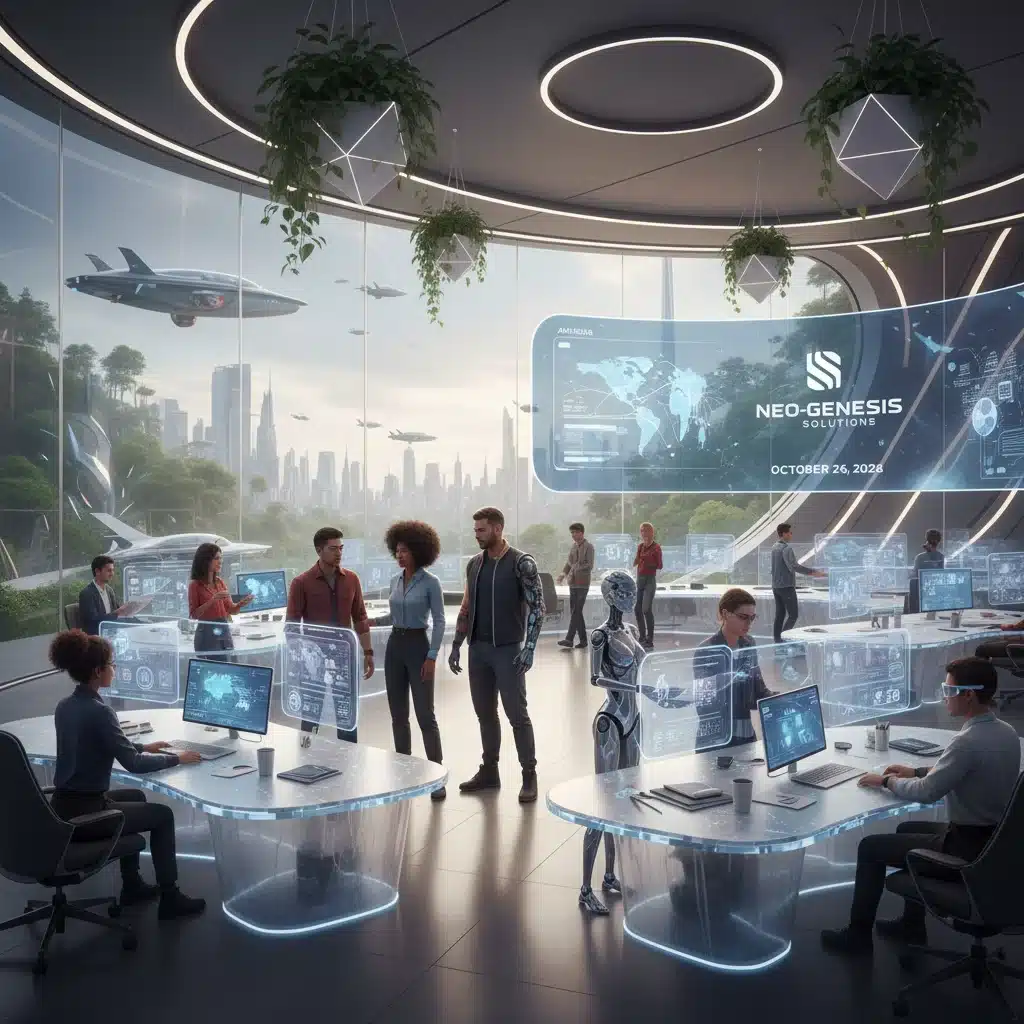
The landscape of work is undergoing a seismic transformation, driven by technological advancements, evolving societal values, and unprecedented global events. As we hurtle towards 2026, the traditional paradigms of employment are rapidly becoming obsolete. For organizations to not just survive but thrive, a profound understanding and proactive adaptation to these shifts, particularly concerning future work engagement, are paramount. Employee engagement, once a buzzword, is now the bedrock of organizational resilience and innovation. It’s no longer just about job satisfaction; it’s about fostering a deep connection between employees and their work, their teams, and the organization’s mission.
Anúncios
This comprehensive guide delves into the five most critical shifts shaping employee engagement by 2026. We’ll provide insider knowledge, practical solutions, and actionable strategies that HR professionals, business leaders, and employees themselves can leverage to navigate this exciting yet challenging future. Ignoring these shifts is not an option; embracing them is the key to unlocking unparalleled productivity, creativity, and retention.
The Evolving Definition of Employee Engagement in the Future of Work
Before we dissect the specific shifts, it’s crucial to redefine what employee engagement means in the context of the future work engagement model. Historically, engagement was often measured by surveys focusing on satisfaction, loyalty, and willingness to recommend. While these metrics still hold value, the future demands a more holistic and dynamic understanding. By 2026, employee engagement will encompass:
Anúncios
- Purpose-Driven Connection: Employees seeking a deeper alignment between their personal values and the organization’s mission.
- Autonomy and Flexibility: The ability to control where, when, and how work is done, fostering a sense of ownership.
- Continuous Growth and Development: A constant hunger for new skills, learning opportunities, and career progression.
- Well-being Integration: A recognition that physical, mental, and emotional well-being are integral to sustained performance and engagement.
- Inclusive Belonging: Feeling valued, respected, and heard within a diverse and equitable work environment.
Understanding this expanded definition is the first step in formulating effective strategies to boost future work engagement.
Shift 1: The Rise of Hyper-Personalized Employee Experiences
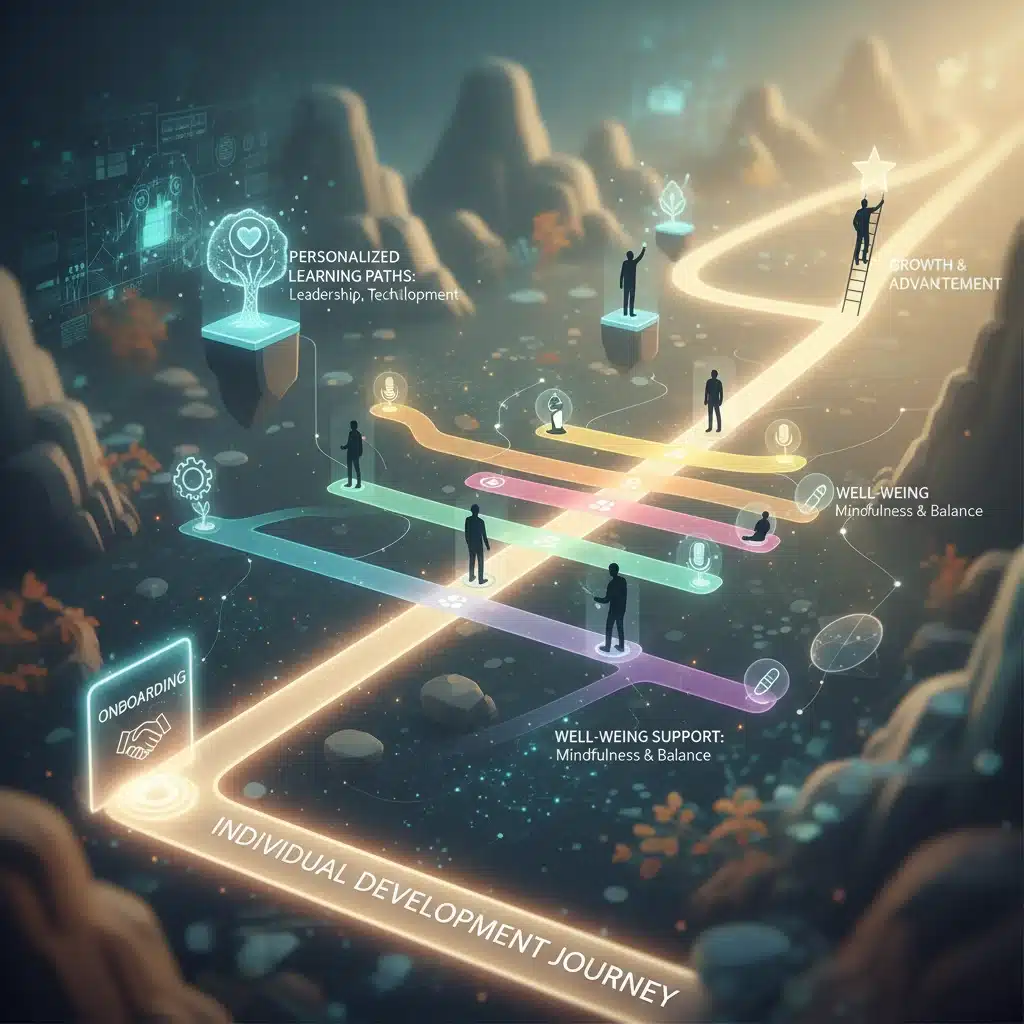
In a world increasingly tailored to individual preferences, a one-size-fits-all approach to employee engagement is rapidly becoming obsolete. By 2026, employees will expect a hyper-personalized experience that caters to their unique career aspirations, learning styles, communication preferences, and even well-being needs. This shift is driven by a workforce that has grown up with highly customized digital experiences, from streaming services to social media feeds.
Insider Knowledge: Leveraging Data for Personalization
The key to hyper-personalization lies in sophisticated data analytics. HR departments will need to move beyond traditional HRIS systems to integrate data from various sources: performance management platforms, learning management systems, well-being apps, and even internal communication tools. This data, when ethically collected and analyzed, can provide deep insights into individual employee needs and preferences. For instance, understanding an employee’s preferred learning modality (visual, auditory, kinesthetic) can inform the delivery of training programs, making them far more effective and engaging.
Practical Solutions for Hyper-Personalization:
- AI-Powered Learning Paths: Implement AI-driven platforms that recommend personalized learning modules and skill development opportunities based on an employee’s role, career goals, and identified skill gaps.
- Flexible Benefits & Perks: Offer a customizable benefits package that allows employees to choose what matters most to them, whether it’s extended parental leave, a gym membership, or a professional development stipend.
- Tailored Communication: Utilize internal communication tools that allow for segmented messaging, ensuring employees receive relevant updates and information based on their department, location, or project.
- Individualized Career Coaching: Provide access to personalized career coaching and mentorship programs, matching employees with mentors who can genuinely support their unique professional journey.
- Customizable Work Arrangements: Beyond just remote work, offer flexibility in work hours, compressed workweeks, or job-sharing models where feasible, allowing employees to design a work-life blend that suits them.
Embracing hyper-personalization isn’t just about making employees happy; it’s about optimizing their environment for maximum contribution and fostering a strong sense of belonging and value, crucial for future work engagement.
Shift 2: The Primacy of Well-being and Mental Health Support
The pandemic significantly accelerated a trend that was already emerging: the recognition of employee well-being and mental health as critical components of workplace engagement and productivity. By 2026, organizations that fail to prioritize these aspects will struggle to attract and retain top talent. This isn’t merely about offering an Employee Assistance Program (EAP); it’s about embedding well-being into the organizational culture, leadership practices, and daily operations.
Insider Knowledge: Holistic Well-being as a Strategic Imperative
Progressive organizations understand that well-being extends beyond physical health. It encompasses mental, emotional, financial, and even social well-being. Leaders will need to be trained not just in managing tasks but in recognizing signs of burnout, stress, and mental health challenges among their teams. Furthermore, creating a culture where discussing mental health is destigmatized and support is readily accessible will be a competitive advantage. This holistic approach is fundamental to sustainable future work engagement.
Practical Solutions for Enhanced Well-being:
- Integrated Well-being Platforms: Implement platforms that offer a range of resources, from mindfulness exercises and therapy access to financial planning tools and virtual fitness classes.
- Mental Health First Aid Training: Train managers and key personnel in Mental Health First Aid to equip them with the skills to identify, understand, and respond to signs of mental health issues.
- Dedicated Well-being Days/Hours: Introduce company-wide ‘recharge days’ or encourage employees to block out ‘focus time’ or ‘well-being hours’ in their calendars without guilt.
- Ergonomic Support for Remote Workers: Provide stipends or resources for ergonomic home office setups, acknowledging the physical toll of prolonged remote work.
- Leadership by Example: Encourage senior leaders to openly discuss their own well-being practices and challenges, modeling healthy boundaries and self-care.
- Flexible Work Policies: Reinforce and expand flexible work policies that empower employees to manage their work-life integration effectively, reducing stress and improving overall satisfaction.
Investing in employee well-being is not an expense; it’s an investment in the long-term health and productivity of your workforce, directly impacting future work engagement.
Shift 3: The Imperative of Purpose, Values, and Social Impact
Today’s workforce, particularly younger generations, is increasingly driven by purpose. They want to work for organizations that stand for something beyond profit, that contribute positively to society, and whose values align with their own. By 2026, companies without a clear, authentic, and communicated purpose will find it challenging to attract and retain engaged employees.
Insider Knowledge: Authenticity Over Optics
Employees are savvy; they can spot performative corporate social responsibility (CSR) initiatives a mile away. The key is authenticity. An organization’s purpose and values must be deeply embedded in its strategy, operations, and leadership decisions, not just relegated to marketing campaigns. Employees want to see their company making a tangible difference and, more importantly, they want to be part of that difference. This genuine connection to a greater good is a powerful driver of future work engagement.
Practical Solutions for Purpose-Driven Engagement:
- Articulate a Clear Mission & Values: Beyond a mission statement, regularly communicate how the company’s daily work contributes to its purpose and values. Make it a living document, not just words on a wall.
- Employee-Led CSR Initiatives: Empower employees to lead and participate in CSR projects that resonate with them, fostering a sense of ownership and impact.
- Transparent Reporting on Impact: Share progress and outcomes of social and environmental initiatives, demonstrating the company’s commitment and accountability.
- Ethical Supply Chains & Practices: Ensure that the company’s operations, from sourcing to production, reflect its stated values, avoiding hypocrisy that can erode trust.
- Opportunities for Skill-Based Volunteering: Offer employees opportunities to use their professional skills for social good, either during work hours or through company-supported programs.
When employees feel that their work contributes to a meaningful cause, their motivation, loyalty, and engagement soar. This intrinsic motivation is invaluable for sustained future work engagement.
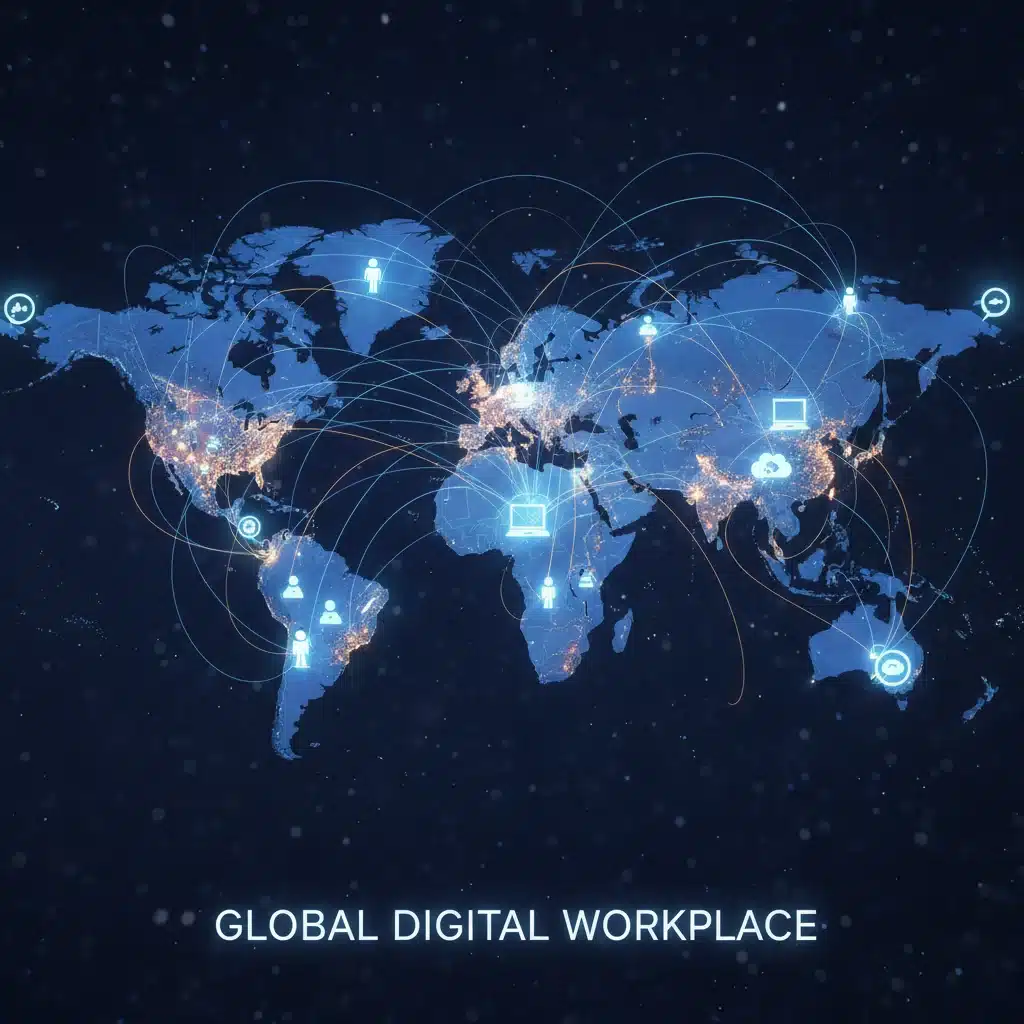
Shift 4: The Distributed, Agile, and Fluid Workforce Model
The traditional office-centric model is giving way to a more distributed, agile, and fluid workforce. Remote and hybrid work models are here to stay, but beyond location, the nature of work itself is becoming more project-based, cross-functional, and adaptable. By 2026, organizations will increasingly rely on a blend of full-time employees, contractors, freelancers, and even AI-powered tools, requiring new strategies for fostering cohesion and engagement across this diverse ecosystem.
Insider Knowledge: Cultivating Connection in a Dispersed Environment
The challenge with a distributed workforce is maintaining a strong sense of team, culture, and belonging. This requires intentional effort to design processes and technologies that facilitate seamless collaboration, informal interactions, and shared experiences. Leaders must develop new competencies in managing remote teams, focusing on outcomes rather than oversight, and building trust across geographical boundaries. Effective communication and transparent decision-making are more critical than ever for future work engagement in this model.
Practical Solutions for a Distributed Workforce:
- Advanced Collaboration Technologies: Invest in robust communication and collaboration platforms that support real-time interaction, document sharing, and project management across different time zones.
- Regular Virtual & In-Person Gatherings: Plan intentional opportunities for teams to connect, both virtually (e.g., virtual coffee breaks, themed team events) and periodically in-person (e.g., annual team retreats, project kick-offs).
- Clear Communication Protocols: Establish clear guidelines for communication channels (e.g., when to use email vs. instant messaging vs. video calls) to avoid overload and ensure clarity.
- Inclusive Meeting Practices: Design meetings that are inclusive of both in-person and remote participants, ensuring everyone has an equal voice and visibility.
- Cross-Functional Project Teams: Leverage the fluidity of the workforce by forming agile, cross-functional teams for specific projects, allowing employees to gain diverse experiences and collaborate with different colleagues.
- Digital Onboarding & Mentorship: Develop comprehensive digital onboarding programs and virtual mentorship initiatives to integrate new hires and foster connections from day one.
Navigating the distributed workforce successfully requires a shift in mindset from control to empowerment, fostering a culture of trust and autonomy to bolster future work engagement.
Shift 5: The Continuous Upskilling and Reskilling Imperative
The pace of technological change means that skills have a shorter shelf life than ever before. What is critical today may be obsolete tomorrow. By 2026, organizations will not only need to attract talent with the right skills but also continuously invest in upskilling and reskilling their existing workforce. Employees, in turn, will expect their employers to provide these opportunities, seeing them as a vital part of their career development and a key factor in their future work engagement.
Insider Knowledge: Learning as a Core Business Function
Learning and development (L&D) will transform from a support function to a core strategic imperative. Companies will build a culture of continuous learning, where curiosity, adaptability, and growth mindsets are celebrated. This means integrating learning into the daily workflow, making it accessible, and tying it directly to career progression. Identifying future skill needs through workforce planning and AI-powered analytics will be crucial to staying ahead of the curve.
Practical Solutions for Continuous Learning:
- Personalized Learning Platforms: Implement AI-driven learning platforms that offer curated content, micro-learning modules, and credentialing opportunities tailored to individual roles and career paths.
- Internal Mobility & Rotational Programs: Create structured programs that allow employees to move between departments or roles, gaining new skills and experiences internally.
- Mentorship & Coaching Ecosystems: Foster strong internal mentorship and coaching programs, leveraging experienced employees to transfer knowledge and skills to others.
- Tuition Reimbursement & External Certifications: Offer generous tuition reimbursement or support for external certifications that align with future business needs.
- Gamified Learning & Challenges: Introduce gamification elements to learning, making skill acquisition more engaging and competitive.
- Dedicated Learning Time: Encourage or even mandate dedicated blocks of time for learning and development during work hours, signaling its importance.
An investment in employee learning is an investment in the future capabilities of the organization, directly fueling future work engagement by showing employees they are valued and have a future with the company.
Integrating the Shifts: A Holistic Approach to Future Work Engagement
While we’ve discussed these five shifts individually, their true power lies in their interconnectedness. A hyper-personalized experience, for instance, might include tailored well-being resources, learning paths aligned with a company’s purpose, and flexible arrangements for a distributed team. Organizations that adopt a holistic approach, seeing these shifts not as separate challenges but as integrated components of a modern employee experience, will be the ones that excel in future work engagement.
Leadership’s Pivotal Role
The success of adapting to these shifts hinges significantly on leadership. Leaders must:
- Be Empathetic: Understand and respond to the diverse needs of their teams.
- Be Adaptable: Embrace new ways of working and leading.
- Be Transparent: Communicate openly about company direction, challenges, and opportunities.
- Be Trusting: Empower employees with autonomy and accountability.
- Be Visionary: Articulate a compelling future that inspires and motivates.
Without committed leadership, even the best strategies for future work engagement will fall short.
The Role of HR as Strategic Partner
HR departments are no longer just administrative functions; they are strategic partners in shaping the future work engagement. This requires a transformation within HR itself, moving towards data-driven decision-making, agile methodologies, and a deep understanding of organizational psychology and technology. HR professionals will be instrumental in designing the employee experience, fostering culture, and building the capabilities required for 2026 and beyond.
Conclusion: Thriving in the Future of Work
The future of work in 2026 promises to be dynamic, challenging, and filled with opportunities. By proactively addressing the five key shifts in employee engagement – hyper-personalization, well-being primacy, purpose-driven connection, distributed work models, and continuous learning – organizations can build resilient, innovative, and highly engaged workforces. This isn’t about incremental changes; it’s about a fundamental reimagining of the employee-employer relationship. Those who embrace this transformation with insider knowledge and practical solutions will not only secure their competitive advantage but also cultivate a workplace where employees truly thrive. The time to adapt to the demands of future work engagement is now.