Federal Reserve 2026: Interest Rate Outlook & Industry Impact
Anúncios
The economic landscape is a constantly shifting tableau, influenced by a myriad of factors, not least among them the monetary policy decisions of the Federal Reserve. As we cast our gaze forward to 2026, understanding the Federal Reserve’s potential interest rate outlook becomes paramount for businesses, investors, and consumers alike. The “Fed Rate Outlook 2026” is not merely an abstract economic projection; it’s a critical determinant of borrowing costs, investment attractiveness, and ultimately, the health and trajectory of various industries. Recent updates from central bank officials and evolving economic data continue to shape these expectations, creating a dynamic environment that demands close attention.
Anúncios
The Federal Reserve’s dual mandate – to foster maximum employment and price stability – guides its decisions on the federal funds rate. This benchmark rate influences everything from mortgage rates and car loans to corporate borrowing and the profitability of savings accounts. Therefore, predicting the Fed Rate Outlook 2026 involves analyzing inflation trends, labor market strength, global economic conditions, and geopolitical developments. Each of these elements contributes to the complex puzzle that the Federal Reserve meticulously assembles to determine the most appropriate path for monetary policy.
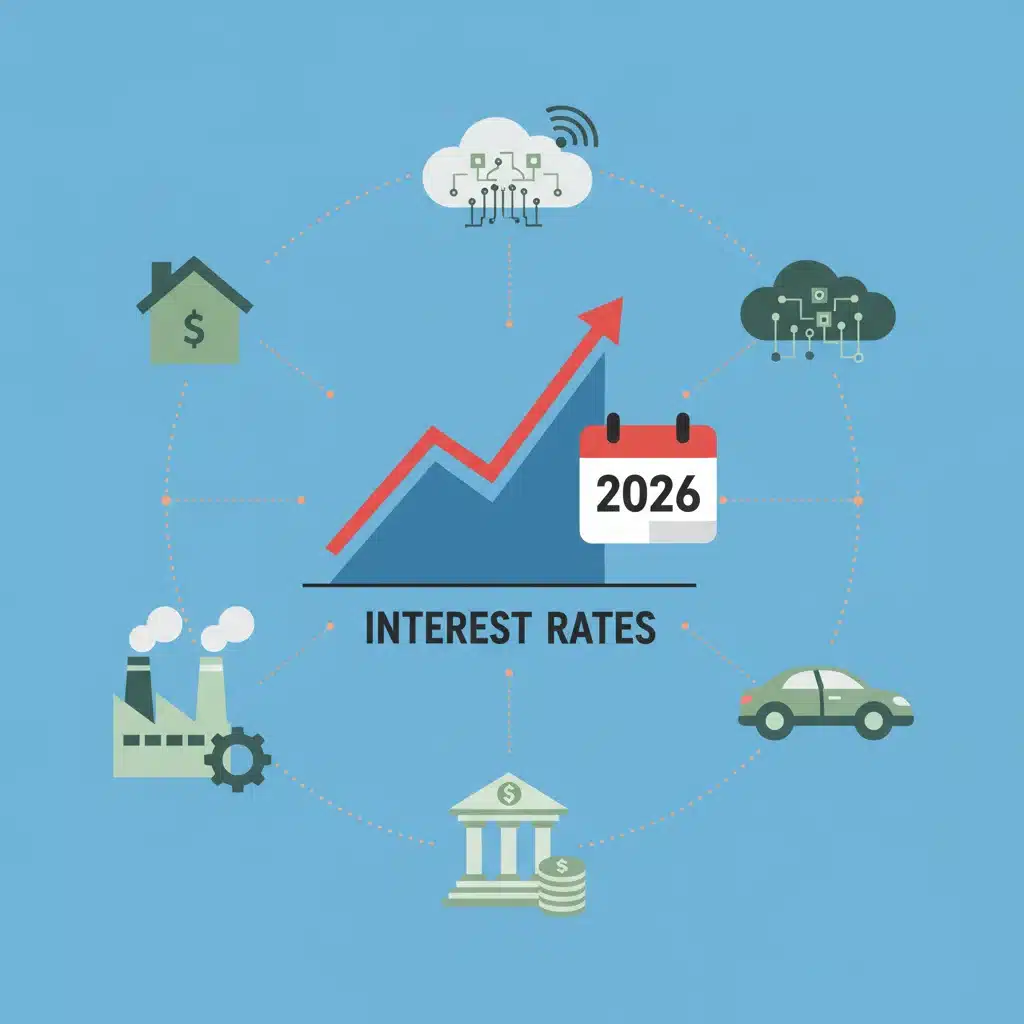
This comprehensive analysis will delve into the anticipated Fed Rate Outlook 2026, examining the key drivers behind potential rate changes and, crucially, dissecting the profound impact these changes could have on five distinct industries. From the housing market to technology, manufacturing, financial services, and retail, each sector faces unique challenges and opportunities under varying interest rate environments. Understanding these specific implications is vital for strategic planning and navigating the economic currents of the coming years.
Anúncios
Understanding the Federal Reserve’s Mandate and Tools
Before diving into the specifics of the Fed Rate Outlook 2026, it’s essential to grasp the fundamental principles guiding the Federal Reserve. The Fed operates with a dual mandate: achieving maximum sustainable employment and maintaining stable prices. These two objectives often require a delicate balancing act. When inflation is high, the Fed typically raises interest rates to cool down the economy and reduce demand. Conversely, during periods of economic slowdown or high unemployment, the Fed may lower rates to stimulate borrowing, spending, and investment.
The primary tool the Federal Reserve uses to influence interest rates is the federal funds rate. This is the target rate for overnight lending between banks. While the Fed doesn’t directly control consumer interest rates, changes to the federal funds rate ripple through the financial system, affecting other interest rates like those for mortgages, auto loans, and business lines of credit. Other tools include quantitative easing (large-scale asset purchases) and quantitative tightening (reducing the balance sheet), which also impact liquidity and long-term interest rates.
The decision-making body for monetary policy is the Federal Open Market Committee (FOMC), which meets eight times a year. Their pronouncements, economic projections (Summary of Economic Projections – SEP), and speeches from Fed officials provide crucial insights into the potential Fed Rate Outlook 2026. These communications are carefully scrutinized by market participants seeking to anticipate future policy moves and their implications.
Recent Economic Updates and Their Influence on the Fed Rate Outlook 2026
The path to 2026 is paved with current economic realities. Recent inflation data, labor market reports, and global economic trends are constantly being evaluated by the Federal Reserve. If inflation proves more persistent than anticipated, the Fed might maintain a higher-for-longer stance on interest rates. Conversely, a significant slowdown in economic growth or a weakening labor market could prompt the Fed to consider rate cuts sooner.
For instance, strong wage growth, while beneficial for workers, can contribute to inflationary pressures. Similarly, robust consumer spending, fueled by accumulated savings or credit, can keep demand high and prices elevated. Geopolitical events, such as supply chain disruptions or energy price shocks, can also exert inflationary pressure, forcing the Fed to react. The Fed Rate Outlook 2026 is not static; it evolves with every new data point and global development.
Technological advancements and productivity gains could, however, act as disinflationary forces, allowing the Fed more flexibility. The pace of technological adoption and its impact on supply-side economics will be a key factor. Furthermore, the fiscal policy of the government – spending and taxation – also plays a significant role, as it can either complement or counteract the Fed’s monetary policy efforts. The interaction between fiscal and monetary policy will be crucial in shaping the Fed Rate Outlook 2026.
Projecting the Fed Rate Outlook 2026: Scenarios and Considerations
Forecasting the Fed Rate Outlook 2026 involves considering several potential scenarios, each with its own set of assumptions about inflation, economic growth, and employment. While no one can predict the future with absolute certainty, economic models and expert consensus offer valuable insights.
Scenario 1: Soft Landing and Gradual Normalization
In this optimistic scenario, the economy achieves a “soft landing,” meaning inflation returns to the Fed’s 2% target without a significant recession. Under this outlook, the Federal Reserve might begin a gradual process of normalizing interest rates, bringing them down from their peak but perhaps settling at a level higher than the ultra-low rates seen in the decade prior to recent inflationary pressures. This would imply a more predictable and stable Fed Rate Outlook 2026, allowing businesses and consumers to plan with greater confidence. The federal funds rate might stabilize in a range that is considered neither overly restrictive nor excessively accommodative, reflecting a healthy, growing economy with manageable inflation.
Scenario 2: Persistent Inflation and Higher-for-Longer Rates
Alternatively, if inflation proves more stubborn due to ongoing supply-side issues, strong demand, or geopolitical factors, the Fed might be compelled to keep interest rates higher for a longer duration. This “higher-for-longer” approach would mean that the Fed Rate Outlook 2026 involves elevated borrowing costs, potentially dampening economic growth and increasing the risk of a recession. Industries heavily reliant on borrowing or consumer discretionary spending would face significant headwinds. This scenario would test the resilience of many sectors and necessitate careful financial management.
Scenario 3: Recession and Aggressive Rate Cuts
In a more pessimistic scenario, the economy could slip into a recession, triggered by tight monetary policy, external shocks, or a combination of factors. In such a situation, the Federal Reserve would likely reverse course and implement aggressive interest rate cuts to stimulate economic activity. The Fed Rate Outlook 2026 under this scenario would involve a significant reduction in borrowing costs, though the benefits might be offset by the broader economic downturn. While lower rates would eventually aid recovery, the initial impact on employment and corporate earnings would be challenging.
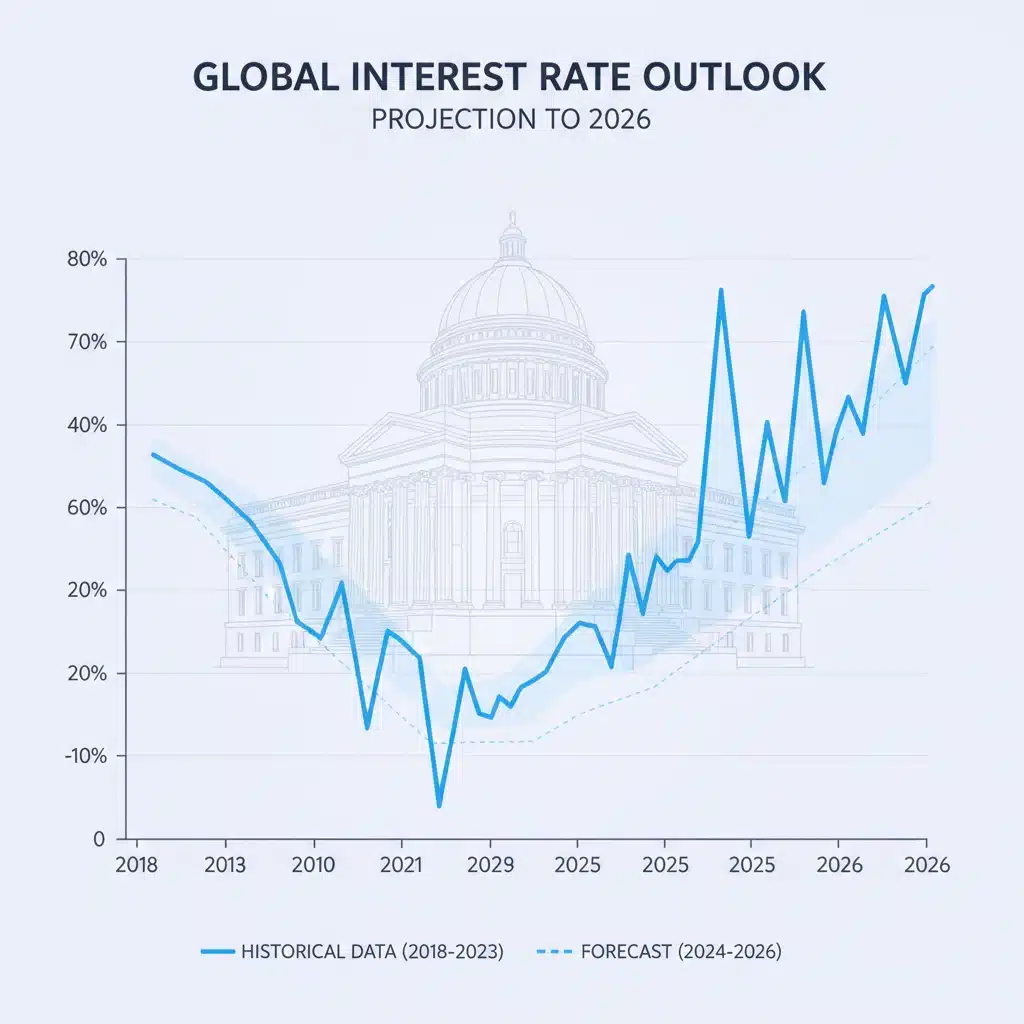
The most probable Fed Rate Outlook 2026 likely lies somewhere between these extremes, with the Fed remaining data-dependent and adapting its policy as economic conditions evolve. The Summary of Economic Projections (SEP) from FOMC meetings will continue to be a vital source for understanding the consensus view among Fed officials regarding the future path of rates.
Industry Impact: 5 Sectors Facing Significant Financial Implications
The Fed Rate Outlook 2026 will not affect all industries equally. Certain sectors are inherently more sensitive to changes in borrowing costs and economic growth. Here, we explore five key industries and the specific financial implications they might face.
1. Real Estate and Construction
The real estate and construction sectors are perhaps the most directly impacted by interest rate fluctuations. Higher interest rates translate into higher mortgage rates, which can significantly reduce housing affordability and demand. For potential homebuyers, a small increase in the interest rate can mean hundreds of dollars more per month on a mortgage payment, effectively pricing many out of the market. This reduction in demand can lead to slower home sales, declining property values, and reduced new construction activity.
Developers and builders also face increased borrowing costs for construction loans, which can squeeze profit margins and delay or cancel projects. The Fed Rate Outlook 2026, particularly if it leans towards a ‘higher-for-longer’ scenario, could lead to a prolonged cooling period in the housing market, impacting everything from lumber prices to the availability of skilled labor. A more accommodative Fed Rate Outlook 2026, with declining rates, would, conversely, inject vitality back into these sectors, stimulating demand and investment.
2. Financial Services (Banking, Investment, Insurance)
For the financial services industry, the impact of the Fed Rate Outlook 2026 is multifaceted. Banks often benefit from rising interest rates, as it can increase their net interest margin (NIM) – the difference between what they earn on loans and what they pay on deposits. However, excessively high rates can also lead to increased loan defaults and a slowdown in lending activity, which can hurt profitability. The yield curve, which illustrates the relationship between short-term and long-term interest rates, is also a critical factor. An inverted yield curve, where short-term rates are higher than long-term rates, often signals an impending recession and can squeeze bank profits.
Investment firms and asset managers are affected by market volatility and investor sentiment, both of which are highly sensitive to the Fed’s policy. Higher rates can make fixed-income investments more attractive, potentially drawing capital away from equities. Insurance companies, particularly those with long-duration liabilities, also pay close attention to interest rates, as they impact their investment returns and the cost of capital. A stable and predictable Fed Rate Outlook 2026 would generally be preferred, allowing for better risk management and strategic planning across the financial sector.
3. Technology and Innovation
The technology sector, particularly growth-oriented companies, can be highly sensitive to interest rates. Many tech companies rely on venture capital and debt financing to fund their research and development, expansion, and often, their operations until they achieve profitability. Higher interest rates increase the cost of this capital, making it more expensive to borrow and potentially reducing the appetite of investors for riskier, longer-horizon projects. This can lead to slower innovation, reduced hiring, and a re-evaluation of growth strategies.
Furthermore, the valuation of tech companies, especially those with future-oriented earnings, is often heavily dependent on discounted future cash flows. Higher discount rates, driven by a higher Fed Rate Outlook 2026, can significantly depress current valuations. Companies with strong balance sheets and established profitability will be better positioned to weather periods of elevated rates, while those still in their growth phase might struggle to secure funding at favorable terms. The availability and cost of capital, shaped by the Fed Rate Outlook 2026, will be a defining factor for the tech industry’s trajectory.
4. Manufacturing and Industrials
The manufacturing and industrials sector is influenced by interest rates through several channels. Higher rates can increase the cost of borrowing for capital expenditures, such as investing in new machinery, expanding production facilities, or upgrading technology. This can slow down modernization and capacity expansion, potentially impacting productivity and competitiveness. Additionally, many industrial products are purchased on credit, so higher rates can dampen consumer and business demand for durable goods, vehicles, and equipment.
For companies involved in international trade, the Fed Rate Outlook 2026 also impacts currency exchange rates. A stronger U.S. dollar, often a consequence of higher interest rates, can make American exports more expensive and imports cheaper, affecting the trade balance and the profitability of multinational manufacturers. Supply chain resilience and inventory management also become more critical in a higher-rate environment, as carrying costs for inventory increase. The ability of manufacturers to adapt to these financial pressures will be key to their success in the coming years.
5. Retail and Consumer Discretionary
The retail and consumer discretionary sectors are directly tied to consumer spending power and confidence. When interest rates are high, consumers face higher costs for mortgages, car loans, and credit card debt, leaving less disposable income for non-essential purchases. This can lead to a slowdown in sales for goods and services beyond basic necessities, impacting retailers of apparel, electronics, entertainment, and travel. Consumer confidence, which is often influenced by the economic outlook and job security, also plays a crucial role.
Businesses in these sectors, particularly smaller enterprises, also rely on credit for inventory financing and operational expenses. A challenging Fed Rate Outlook 2026 could increase their borrowing costs, potentially leading to tighter margins and even business failures. Conversely, a more favorable rate environment could spur consumer spending and provide a significant boost to these industries. The Fed Rate Outlook 2026 directly translates into the purchasing power and willingness of the average consumer, making it a critical factor for retail and consumer discretionary companies.

Strategies for Navigating the Fed Rate Outlook 2026
Given the potential for varied interest rate environments in 2026, businesses and individuals across all sectors should consider proactive strategies to mitigate risks and capitalize on opportunities. Understanding the Fed Rate Outlook 2026 is the first step; acting upon that understanding is the next.
For Businesses:
- Optimize Debt Structure: Review existing debt to identify opportunities for refinancing at favorable rates if the Fed Rate Outlook 2026 suggests potential rate cuts. Conversely, consider locking in longer-term fixed rates if a ‘higher-for-longer’ scenario seems likely.
- Enhance Cash Flow Management: Strong cash reserves provide a buffer against rising borrowing costs and economic uncertainties. Focus on improving operational efficiency and working capital management.
- Diversify Funding Sources: Explore alternative financing options beyond traditional bank loans, such as private equity, venture capital, or government grants, to reduce reliance on interest-rate-sensitive debt.
- Scenario Planning: Develop contingency plans for different interest rate scenarios. How would a 1% higher or lower federal funds rate impact your profitability, investment plans, and customer demand?
- Focus on Productivity and Innovation: In a challenging rate environment, increased productivity and differentiation through innovation can help maintain competitiveness and profitability.
For Consumers and Investors:
- Manage Personal Debt: Prioritize paying down high-interest debt, especially variable-rate loans, to reduce exposure to rising rates.
- Re-evaluate Investment Portfolios: Consider adjusting asset allocation based on the Fed Rate Outlook 2026. Higher rates might favor fixed-income assets, while lower rates could boost equities.
- Save and Invest Regularly: Consistent saving and investing, even during uncertain times, can help build wealth over the long term. Take advantage of higher yields on savings accounts or certificates of deposit if rates remain elevated.
- Monitor Mortgage Rates: If considering a home purchase or refinancing, closely track mortgage rate trends in anticipation of changes in the Fed Rate Outlook 2026.
- Build an Emergency Fund: A robust emergency fund provides financial security against unexpected economic downturns or job losses, which can be more prevalent in volatile rate environments.
Conclusion: The Dynamic Nature of the Fed Rate Outlook 2026
The Fed Rate Outlook 2026 is a critical economic variable with far-reaching implications across virtually every sector of the economy. While the Federal Reserve strives for transparency, the future path of interest rates remains inherently uncertain, subject to the ebb and flow of inflation, employment data, and global events. The recent updates from the Fed and evolving economic indicators underscore the dynamic nature of monetary policy and the need for continuous vigilance.
As we’ve explored, industries like real estate, financial services, technology, manufacturing, and retail will each experience unique financial impacts. Businesses and individuals who proactively monitor the Fed Rate Outlook 2026 and implement strategic adjustments will be better positioned to navigate the economic landscape of the coming years. Adaptability, informed decision-making, and a solid understanding of macroeconomic forces will be the hallmarks of success in an environment shaped by the Federal Reserve’s ongoing quest for maximum employment and price stability. The journey to 2026 will undoubtedly present its challenges and opportunities, and a keen awareness of the Fed’s potential actions will be an invaluable compass.